Trump administration backs OpenAI in New York Times copyright suit
The US government filed a statement of interest this week arguing that training large language models on copyrighted text is fair use, siding with OpenAI against the New York Times.
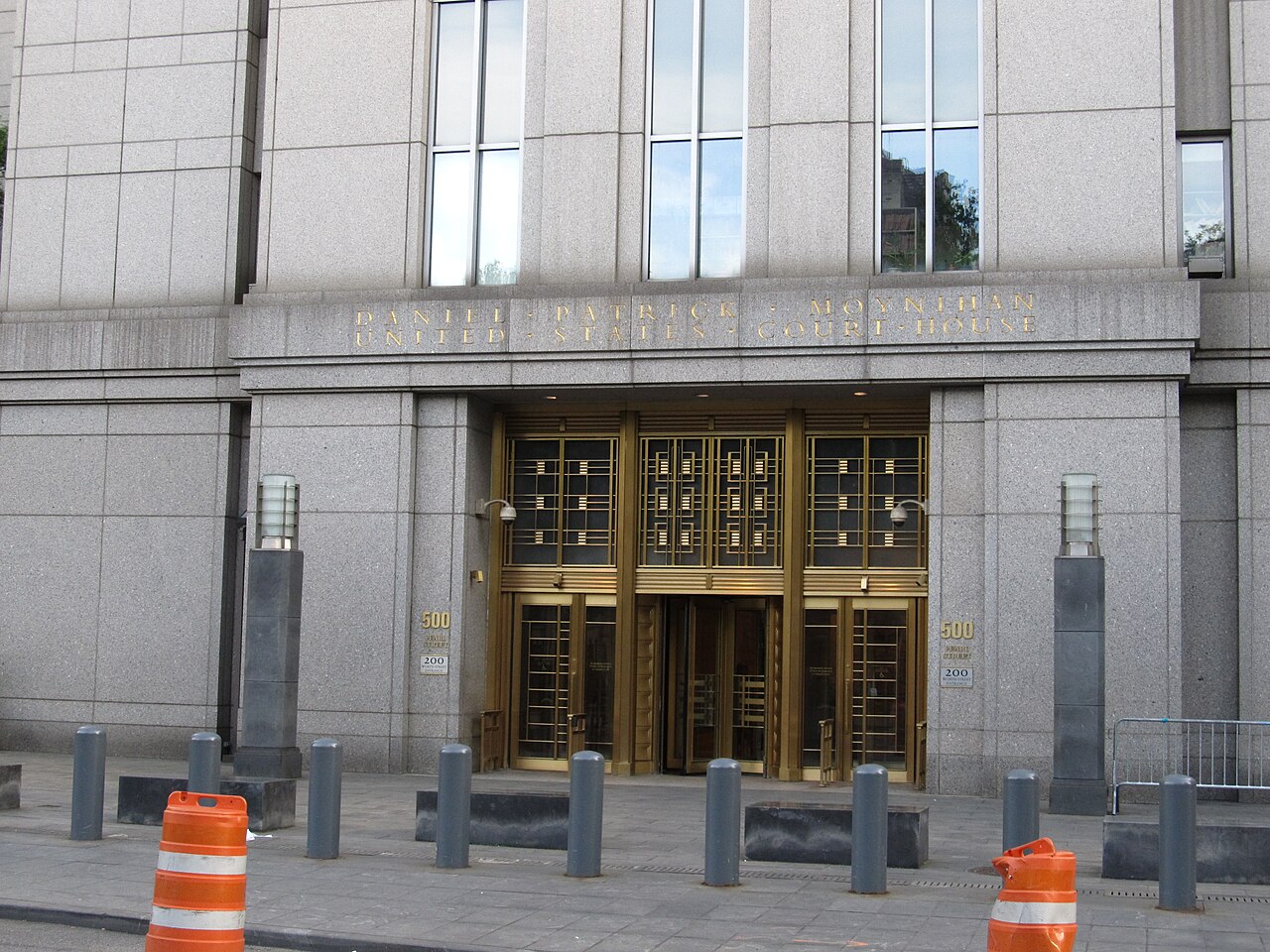
The Trump administration has intervened in the New York Times' copyright lawsuit against OpenAI, arguing in favor of the AI lab's position that training a large language model on copyrighted text qualifies as fair use. The move marks the first time the US government has formally weighed in on the wave of litigation pitting publishers and authors against AI companies.
The Times sued OpenAI and Microsoft in December 2023, accusing them of unlawfully training their AI systems on millions of the newspaper's articles without permission or compensation, and seeking "billions of dollars" in damages. Other newspapers later joined the suit.
What the government's brief argues
In a statement of interest filed Tuesday in federal court in Manhattan, US attorneys backed OpenAI's fair-use defense. "The New York Times seeks to narrow fair-use doctrine to exclude the training of OpenAI's large language models (LLMs)," the attorneys wrote. "That result would be inconsistent with basic copyright law principles and severely hamper 'the Progress of Science and useful Arts.'"
LLMs are already helping researchers across fields achieve major breakthroughs. Constraining LLM development under a misunderstanding of fair use doctrine would thwart such creative and scientific progress while hindering American prosperity and economic mobility.
The brief also describes AI training as "extraordinarily" transformative, a key legal factor courts weigh when deciding whether a use of copyrighted material qualifies as fair use rather than infringement. "The fair-use inquiry hinges on the specific facts and uses at issue in each case," the attorneys wrote, "but it would be problematic — and legally incorrect — to impose broad copyright liability that would generally render training of AI models impermissible without licensing."
The underlying technical dispute is straightforward: to generate responses, machine learning systems are first fed billions of lines of text, and chatbots produce their output through statistical analysis of what the next word should be, matching a user's query to patterns learned from that training data — which is exactly the process the Times says infringes its copyrights.
A recurring legal tactic, and a personal grudge
The Trump administration has leaned heavily on statements of interest in private litigation, a tool one official has called "incredibly" effective at advancing the government's policy goals. It had already staked out this fair-use position in its National AI Legislative Framework. Trump also holds a personal animus toward the Times, against which he is separately pursuing a defamation lawsuit.
"AI dominance is critical to promote national security, prosperity, and economic mobility for all Americans," US associate attorney general Stanley Woodward Jr said in a statement. "This Administration will never let our Nation be at a disadvantage relative to our foreign adversaries based on a plainly incorrect understanding of copyright law."
Separately, commerce secretary Howard Lutnick told G20 officials meeting in North Carolina that countries should embrace fair use for AI training while finding a way to "protect artists."
A precedent-setting case among many
The Times case could set precedent for other media outlets in conflict with AI labs. Copyright disputes have intensified in recent years, with lawsuits also filed by the Center for Investigative Reporting, the Chicago Tribune and the New York Daily News against OpenAI, Anthropic and Meta. Courts remain divided: the first two judges to rule on AI-training fair-use questions last year issued diverging decisions.
- A 2025 ruling found Anthropic could legally train models on lawfully purchased books, but remained liable for piracy — leading to a $1.5 billion settlement with authors.
- Dozens of outlets, including the Associated Press, Axel Springer and Vox Media, have instead signed licensing deals with OpenAI.
- The New York Times itself struck a 2025 licensing deal with Amazon, letting its articles and recipes appear in Amazon's generative AI tools.
Spokespeople for the Times and OpenAI did not immediately respond to requests for comment on the filing. A statement of interest carries advisory rather than binding legal weight, but it can still influence how a judge weighs the arguments before them.
What this changes for US publishers
For American newsrooms still weighing whether to litigate or license, the government's intervention tilts the legal odds toward AI companies just as the first fair-use rulings are being tested on appeal. Outlets that have already signed licensing deals gain a stronger negotiating precedent to point to, while those banking on the courts to force compensation now face a Justice Department openly arguing against them.
Sources
- The Trump administration is supporting OpenAI in the NYT copyright lawsuitThe Verge · September 2, 2026
- Trump administration sides with OpenAI in lawsuit against New York TimesThe Guardian · September 2, 2026