
Class Action Accuses Oura Ring of Overstating Sleep Tracking Accuracy
A California lawsuit claims Oura oversold the accuracy of its AI-driven sleep-stage tracking, citing a study that measured just 53% accuracy against clinical sleep labs.
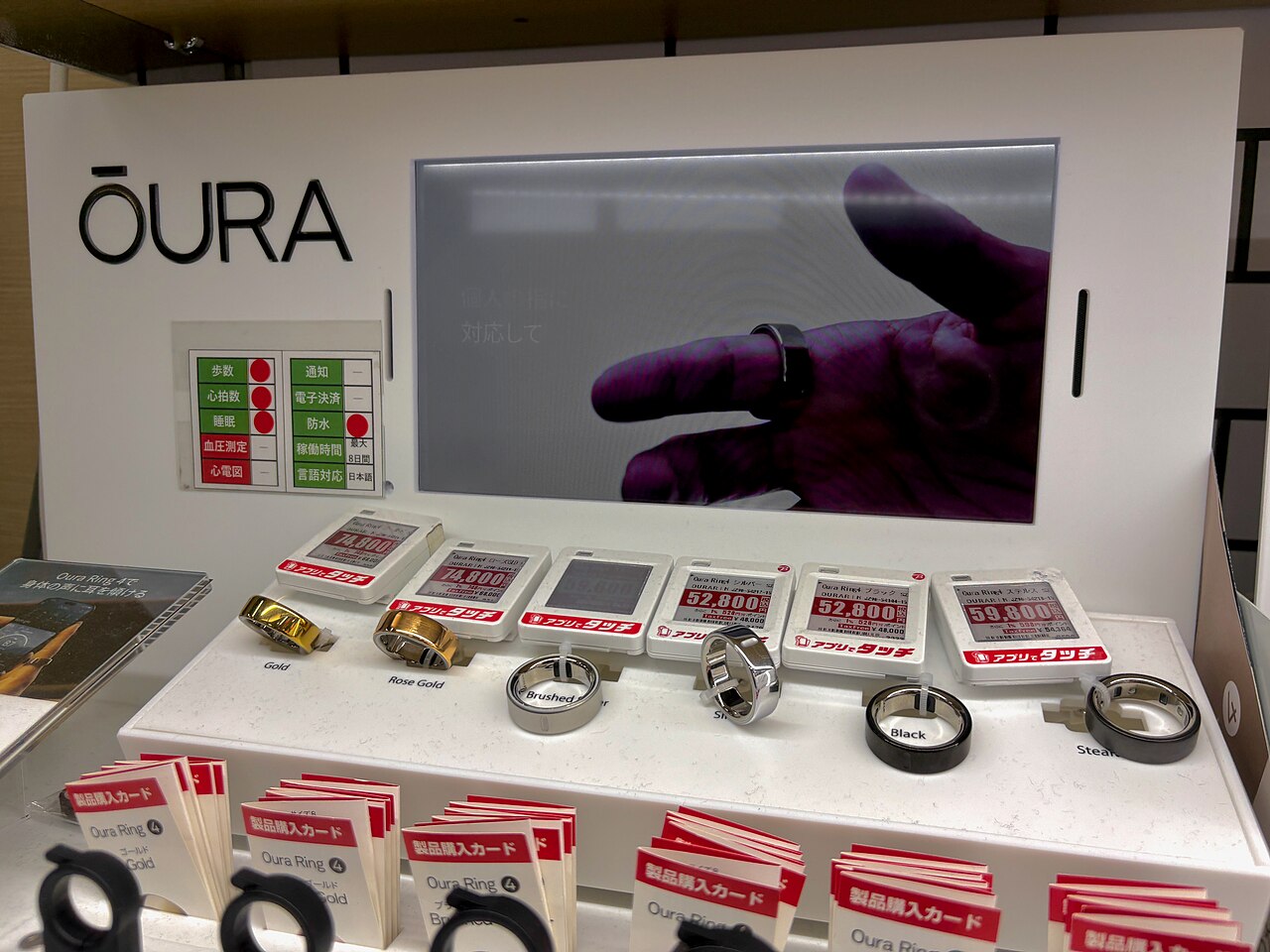
A proposed class action filed on Thursday, August 20, 2026, accuses Oura, maker of the popular Oura Ring, of misleading consumers about the accuracy of its AI-powered sleep-stage tracking. The suit was brought by the Clarkson Law Firm in the U.S. District Court for the Northern District of California, on behalf of plaintiff Madison Surber, a California resident who bought an Oura Ring 4 Gold for about $513.68 in May 2025 after seeing the company's marketing claims about tracking precision.
Sleep happens in the brain, not on a finger
The lawsuit's central argument is technical: determining sleep stages with any rigor requires measuring brain electrical activity, eye movements and muscle tone — signals that can only be captured with electrodes on the scalp and sensors near the eyes, the method used in clinical polysomnography sleep labs. A ring worn on a finger cannot record any of those signals directly.
Instead, Oura relies on indirect signals — heart rate, skin temperature, movement and, on newer models, blood oxygenation — processed by AI models that estimate which sleep stage a wearer is in. The complaint argues these estimates have, in its words, "a coin flip's chance of being correct." Oura has marketed its rings as "built for accuracy" and offering "unparalleled accuracy," at one point claiming 79% accuracy against clinical sleep labs, and more recently touting "95% Sleep Staging Accuracy compared to clinical sleep lab" for the Oura Ring 5.
A study that measured 53% accuracy
To support its claims, the complaint cites a 2025 study published in Scientific Reports, part of the Nature group of journals, conducted at a university hospital with 45 participants. That study measured Oura Ring accuracy at roughly 53.18% in correctly identifying the four sleep stages — far below the figures the company has advertised.
Oura's defense
Oura pushed back after the article was published, saying: "We stand behind our science, research, and accuracy claims. Like other consumer sleep wearables, Oura Ring estimates sleep stages using multiple physiological signals, including heart rate, heart rate variability, movement, breathing patterns, and temperature. There is well-documented, peer-reviewed independent scientific evidence that sleep stages are associated with distinct, measurable, reproducible changes in physiology, which is why these signals are reliably used to classify sleep stages. While Oura Ring is not a medical device or a substitute for a clinical sleep study, Oura's sleep staging has been validated and compared favorably in multiple studies against polysomnography, the gold standard. Multiple third-party, independent studies support our claims of accuracy and we have transparently reported on the mechanisms and measures that inform Oura's sleep staging." The company says it will contest the allegations "in the appropriate legal forum." Notably, the complaint does not challenge every feature of the ring — it does not dispute Oura's temperature or heart-rate measurements, focusing specifically on the sleep-stage accuracy claims.
When people rely on a device to guide decisions about their health, misinformation cannot be tolerated. Oura users trust that the numbers on their screen reflect reality. People structure their days, interpret the way they feel, and design their lives around inaccurate figures spit out by these devices. Marketing an inaccurate sleep tracker as precise and reliable is dangerous because people believe it – and change their behavior accordingly.
The timing is notable: Oura, valued at $11 billion, is reportedly preparing for a possible initial public offering, having confidentially filed paperwork with the U.S. Securities and Exchange Commission, with major investment banks including Goldman Sachs, Morgan Stanley and JPMorgan involved. The company sold nearly 3 million rings in 2025 alone, generating more than $1 billion in revenue. It is also not an isolated case: several YouTube creators filed a similar lawsuit against Apple this year, accusing it of scraping copyrighted videos to train its AI systems — a different dispute, but part of a broader pattern of AI accuracy and training claims facing legal scrutiny.
For consumers, the case is a reminder that marketing claims about AI-driven health metrics deserve scrutiny, particularly when a device's estimates shape daily decisions about rest, exercise or sleep hygiene. For wearable makers, a ruling against Oura could set a precedent requiring clearer disclosure of the actual, independently verified accuracy behind AI health claims — and for regulators, the case adds to a growing body of litigation testing how far AI marketing claims can go before they cross into deception.
Sources
- Oura faces lawsuit accusing it of misleading consumers about sleep-tracking accuracyTechCrunch · August 21, 2026
- Oura Ring acusado em tribunal de "adivinhar" as fases do sono dos utilizadoresPplware · August 24, 2026