Trump Announces New AI Force and Vows to Appoint a National AI Czar
On September 19, 2026, former President Donald Trump unveiled plans for an AI Force and promised a future appointment of a national AI czar, positioning the initiative as a watchdog without slowing industry growth.
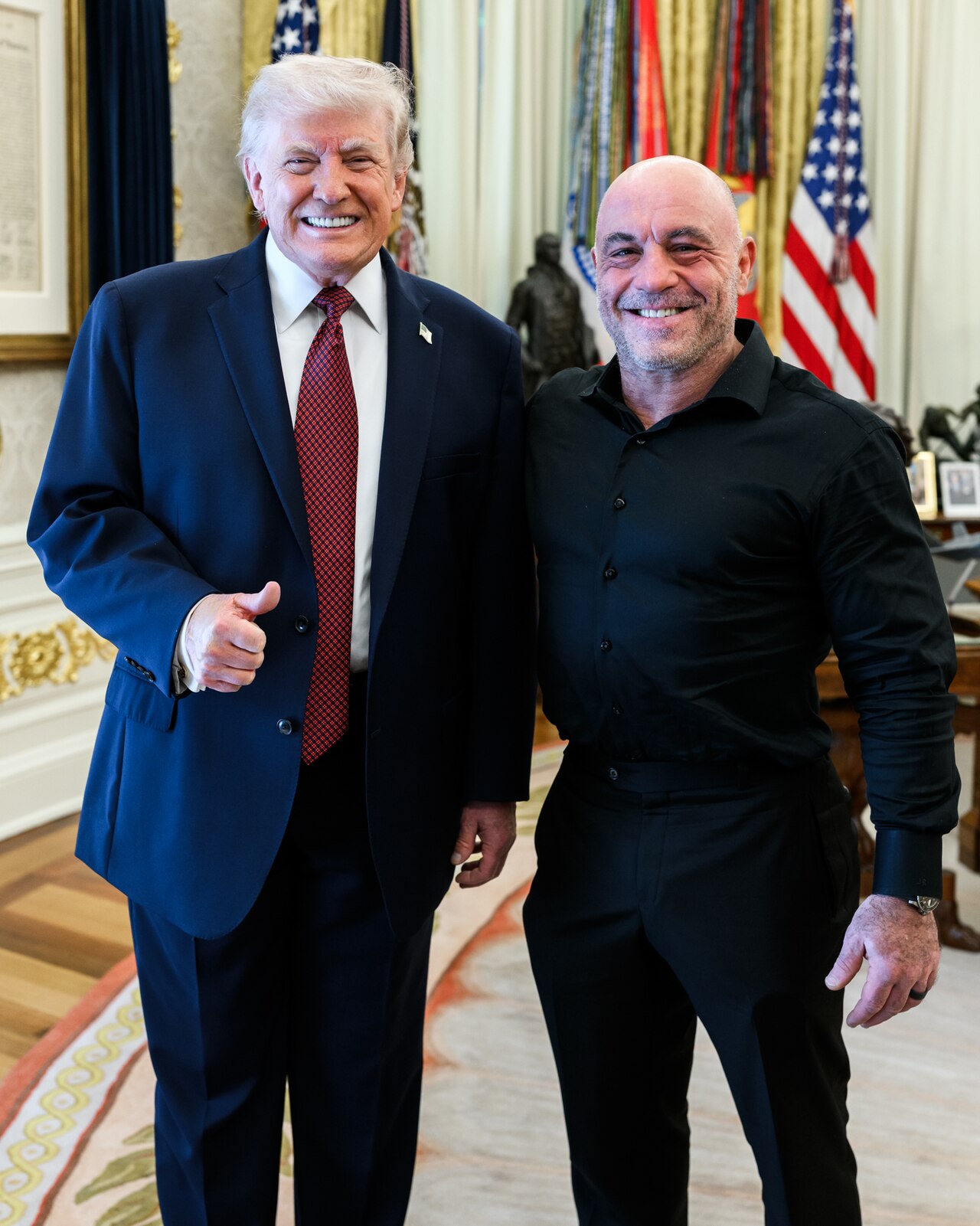
Donald Trump announced on September 19, 2026 that his administration will create a dedicated AI Force, a new governmental entity intended to monitor artificial intelligence developments across the United States.
The announcement was made without specifying a timeline, legal authority, budget allocation, or operational mandate for the proposed force, leaving many procedural details to be defined later.
Comparisons to Existing Military Branches
Trump likened the AI Force to the Space Force, suggesting that a similar level of strategic focus and resources would be applied to artificial intelligence oversight.
He emphasized that the new unit would target "bad actors" while ensuring that regulatory actions do not impede the rapid growth of the AI industry.
Political Rhetoric Around AI Risks
During the briefing, Trump dismissed prevailing concerns about AI as a "hoax," arguing that existing civil and criminal courts are sufficient to address any misuse of the technology.
He also proposed renaming "artificial intelligence" to terms such as "Superior Intelligence," "Extreme Intelligence" or "Supreme Intelligence," a linguistic shift he presented as a way to reframe public perception.
Economic Forecasts and Unverified Claims
Trump claimed that AI could eventually account for up to 25 % of the U.S. gross domestic product, a figure presented as a political forecast rather than a data‑backed estimate.
The claim was not accompanied by any supporting analysis, and analysts note that such a proportion would require substantial productivity gains across multiple sectors.
- Create a dedicated AI monitoring unit
- Appoint a national AI czar
- Establish reporting mechanisms to Congress
- Define legal authority for enforcement
The announcement came ahead of a scheduled meeting between Trump and Chinese President Xi Jinping during the United Nations General Assembly week, a diplomatic context that may influence the tone of future AI cooperation or competition.
It also follows recent calls from American tech firms and lawmakers for stronger safeguards, including proposals to slow the deployment of certain high‑risk AI capabilities.
The proposed AI Force raises immediate questions about the scope of its oversight functions. Without a clear legal framework, any monitoring activity could be perceived as advisory rather than enforceable, limiting its ability to compel compliance from private firms. A robust mandate would need to delineate which types of AI systems fall under scrutiny, distinguish between research and commercial deployment, and specify the standards against which “bad actors” are judged. In the absence of such precision, the entity may default to a reporting role, collecting data for future legislation rather than exercising direct regulatory power, thereby constraining its practical impact.
A second limitation concerns resource allocation and inter‑agency coordination. The announcement did not include budgetary figures or staffing plans, leaving open the possibility that the AI Force could be under‑funded relative to its ambitions. Effective monitoring of a rapidly evolving technology landscape typically requires specialized technical expertise, continuous training, and access to proprietary datasets, all of which entail substantial investment. Moreover, without explicit mechanisms for collaboration with existing bodies such as the Department of Commerce, the Federal Trade Commission, or the National Institute of Standards and Technology, the new unit may encounter jurisdictional overlap, leading to duplicated efforts or gaps in oversight that undermine its efficacy.
Verification of the AI Force’s performance will hinge on transparent metrics and independent audit processes. Since the announcement omitted any description of reporting requirements or performance indicators, stakeholders will need to negotiate the establishment of clear benchmarks, such as the number of AI audits completed, response times to identified risks, and the frequency of public disclosures. Independent third‑party reviews could provide credibility, but they also require statutory authority to access sensitive information. Without mandated verification protocols, the Force’s effectiveness could remain largely anecdotal, making it difficult for Congress or the public to assess whether the initiative truly safeguards against harmful AI applications.
The practical consequences for industry hinge on how the AI Force’s mandate interacts with existing legal avenues. If the Force is positioned merely as a liaison that channels concerns to the courts, companies may experience an additional procedural step without substantive regulatory change, potentially leading to compliance fatigue. Conversely, if the Force acquires the power to issue binding directives or impose sanctions, firms will need to integrate new compliance workflows, allocate legal resources, and possibly redesign AI development pipelines to meet emerging standards. In either scenario, the uncertainty surrounding the Force’s authority could prompt firms to adopt more conservative deployment strategies until clearer guidance emerges.
Strategic implications also arise from the announced intent to appoint a national AI czar. The czar’s role, if defined as a central advisory figure, could streamline policy coordination across departments, but without statutory powers, the position may remain symbolic. Should the czar be granted authority to issue policy recommendations that are automatically integrated into agency actions, the result could be a more unified national approach to AI governance. However, the lack of detail about appointment procedures, term length, or accountability mechanisms introduces ambiguity that may affect the czar’s legitimacy and the willingness of stakeholders to engage constructively.
Finally, the broader geopolitical context adds another layer of complexity. While the announcement coincides with high‑level diplomatic engagements, the AI Force’s operational focus could influence international collaboration or competition. If the Force adopts a posture of aggressive monitoring without clear safeguards for cross‑border data sharing, it may deter foreign partnerships and impede joint research initiatives. Conversely, a transparent and well‑defined oversight framework could serve as a model for multilateral standards, fostering cooperation. The ultimate impact will therefore depend on how the Force balances national security concerns with the need for global interoperability in AI development.
For an English‑speaking organization, the concrete impact will depend on how the AI Force’s mandate is finally codified. In the short term, companies can expect heightened scrutiny of AI applications that could be deemed harmful, as well as a new point of contact for compliance queries once the AI czar is appointed. Long‑term effects will hinge on budget decisions, regulatory powers, and the interplay with existing judicial processes.
Sources
- Trump to create AI Force to monitor technologyThe Guardian · September 19, 2026
- Trump no tolerará los intentos de frenar el desarrollo de la IAExpansión · September 19, 2026