EPA Moves to Scrap Public Comment on Data Center Air Pollution Permits
The Trump administration's EPA wants to eliminate the federal requirement that states notify the public and take comments before issuing air pollution permits to so-called 'minor source' polluters — a category that covers many AI data center generators. Fourteen state attorneys general and nearly 200 advocacy groups have objected.
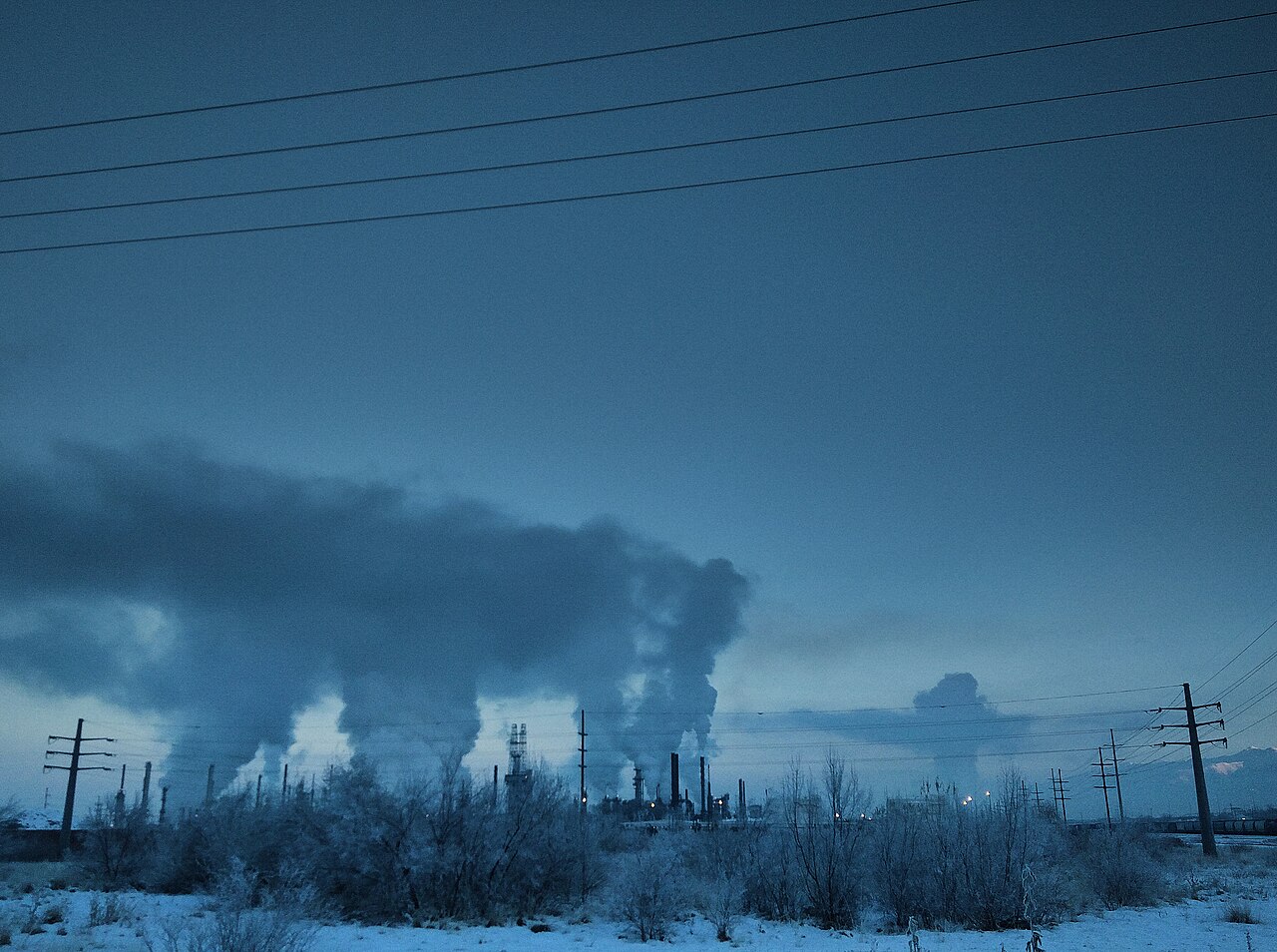
The US Environmental Protection Agency (EPA) is moving to scrap a federal rule that requires public notice and a comment period before certain industrial facilities can be granted permits to emit air pollution. The proposal targets so-called "minor source" permits issued under New Source Review, a permitting program in place since the 1970s that covers landfills, paper mills, steel mills, laundromats and power plant expansions — and, increasingly, the giant diesel generators and gas turbines that back up AI data centers.
A federal safeguard in place since the 1970s
Under current rules, when a company applies for a minor-source air permit, the state or local agency handling the application must notify nearby residents and open a 30-day public comment period before the permit can be issued. In July, the EPA announced it wants to eliminate this federal requirement and hand the decision to individual states, which would then be free to decide whether to notify the public at all. "The state and local authorities closest to the issues and the public should be making the decisions on the permitting process as much as possible, not Washington," EPA administrator Lee Zeldin said in a statement announcing the plan, describing it as a way to cut "unnecessary and burdensome red tape." The EPA argues that minor sources "have relatively low emissions and limited environmental impact."
Data centers already at the center of the fight
New Source Review has become a flashpoint as AI data centers multiply across the country, both for the facilities themselves and for the power plants and backup generators built to supply them with electricity. Colossus 1, the massive xAI data center in Memphis, Tennessee, applied for a minor-source permit in 2025; the application drew a public hearing and thousands of comments after a local health department posted notice of it. The Southern Environmental Law Center (SELC) and the NAACP separately threatened to sue xAI the same year over gas turbines the company had installed at the site without a permit. In Gilroy, California, an Amazon data center began construction last month with many nearby residents unaware it was happening, after a years-long approval process meant the public comment window had already closed two years earlier.
States and health groups push back
- 14 state attorneys general and officials from three cities signed a joint letter opposing the EPA's proposal
- Nearly 200 health and environmental groups, including SELC, filed comments urging the EPA to withdraw the plan
- More than 4,900 public comments were submitted before the comment period closed; the EPA says it is still reviewing them
- A Harvard T.H. Chan School of Public Health analysis estimated a Vantage data center in Loudoun County, Virginia, caused between $53 million and $99 million in annual health damages — the largest estimate ever attributed to a single facility
What EPA would be allowing would be all of those facilities to go through and just not have to deal with the public, issue the permits in secret behind closed doors. Nobody knows what's happening until the bulldozers are out there.
In their letter, the state attorneys general wrote that "despite the name, even minor sources can pose significant health and environmental impacts," arguing that removing the notice-and-comment requirement "sidelines these fundamental transparency and democratic safeguards in the name of administrative expediency." The EPA counters that states can still set stricter rules than the federal floor if they choose to, and that the change simply moves decision-making authority closer to the communities affected. The public comment period on the EPA's own proposal closed last week, with more than 4,900 submissions still under review; if the rule is finalized, the agency says it would take effect within the next year.
What this changes
For communities near planned AI data centers in the United States, the practical effect would be immediate: whether residents get advance notice — or any chance to object — before construction begins would depend entirely on which state they live in, rather than on a uniform federal floor. Operators of data centers, power plants and other "minor source" facilities could move faster and face less local opposition in states that choose not to require public notice, while projects in states that keep the safeguard would continue to face the scrutiny that has already slowed or blocked several developments.