Alibaba Raises $10.2 Billion for AI Push in Hong Kong Sale
Alibaba sold 710 million new shares for HK$80 billion ($10.2 billion) — Hong Kong's largest-ever follow-on offering — to fund its artificial intelligence ambitions.
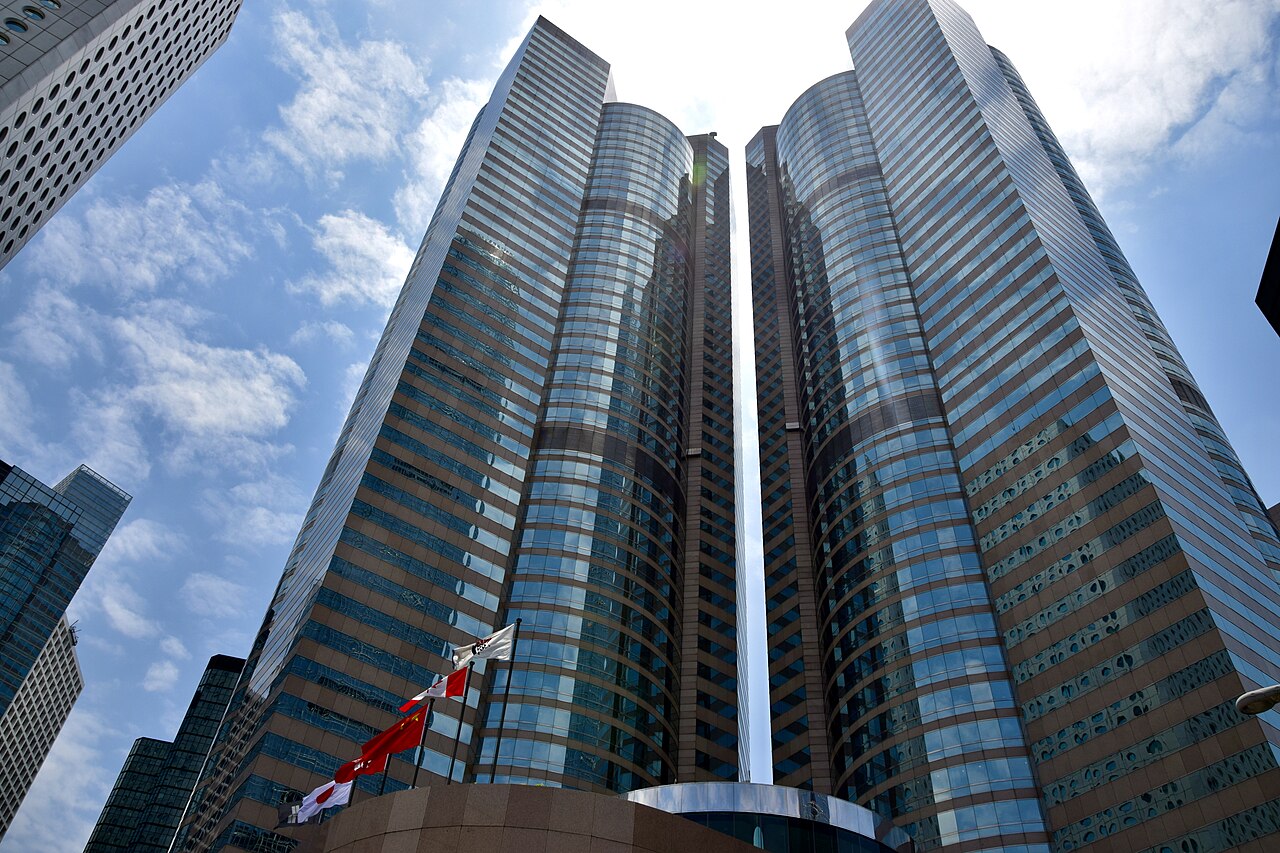
Alibaba Group raised HK$80 billion on the Hong Kong Stock Exchange, equivalent to roughly $10.2 billion or €8.8 billion. The company sold 710 million new shares at HK$112.70 each, representing about 3.6 percent of its enlarged share capital. "We plan to invest 100 percent of the net proceeds from the equity offering in our full-stack AI solutions," Alibaba said in a statement cited by Bloomberg.
According to Bloomberg, this is the largest follow-on offering ever by a Hong Kong-listed company, and according to Reuters, the third-largest equity raise globally in 2026, after those of Alphabet and Intel. Institutional demand reached about three times the offering: orders totaled roughly $28 billion, of which about $6 billion came from long-term and sovereign investors, Reuters sources said. Named participants included the Qatar Investment Authority, Norway's Norges and investor Hillhouse — neither confirmed their involvement. Alibaba is subject to a 90-day lockup. Despite the strong demand, Alibaba's Hong Kong-listed shares fell sharply: Bloomberg reported an 8.5 percent drop, the steepest since early 2025, while Reuters put the fall at 10.5 percent before losses narrowed to roughly the size of the placement discount — the two outlets diverge on the exact figure. Chairman Joseph Tsai and CEO Eddie Wu both bought shares the same day: Tsai around HK$80 million worth, Wu about HK$40 million, according to Hong Kong Stock Exchange filings.
Why Alibaba needs so much capital
The offering follows second-quarter results that show how heavily Alibaba is already spending. Capital expenditure jumped 75 percent year-on-year in the April-June quarter to 67.68 billion yuan (over $10 billion), largely on AI infrastructure and processor purchases, Reuters reported. Net income fell sharply over the same period — Reuters put the decline at 75 percent, while Emerce reported "almost 60 percent"; the exact size of the profit drop varies by source. To make its AI strategy more visible, Alibaba created two new accounting units: AI Cloud & Compute Services, and AI Labs & Applications, which includes the consumer app Qwen Consumer and the business platform QwenWork. Revenue at the cloud and computing division rose 45 percent to 48.44 billion yuan (about $7.1 billion), and AI product revenue topped $1.8 billion — a twelfth straight quarter of triple-digit growth, according to the company's own figures.
- Computing power to train and run AI models
- Its own AI chips, developed under the T-Head brand
- Expansion and upgrades of data centers
The new offering comes on top of the investment program Alibaba announced in February 2025: at least 380 billion yuan (about $56.5 billion, €50 billion) for AI and cloud infrastructure over three years, from 2026 to 2029. By mid-August, the company had already spent nearly half of that budget, Reuters reported. CEO Eddie Wu explained the acceleration on the quarterly earnings call:
To benefit from future growth, we first need to make these capital investments and build the necessary computing capacity.
Alibaba expects to recoup the investments in roughly three years, with margin improvement within two and a half years — partly by shifting to more in-house T-Head chips instead of purchased processors, which Wu said should boost the AI business's gross margin.
Chinese tech giants still trail the US by far
Alibaba's move also illustrates how unevenly the global AI spending race is distributed. Asset manager Capital Group estimates that cumulative AI capital expenditure by Microsoft, Amazon, Alphabet, Meta and Oracle had reached $791 billion by the end of July, compared with $118 billion for China's four biggest tech companies — ByteDance, Alibaba, Tencent and Baidu — combined. By comparison, US AI company Anthropic alone raised more than $100 billion from investors over the past twelve months — more than Alibaba's entire three-year AI budget. Rival Baidu has no plans for a new share issuance for now, saying its cash flow and reserves are sufficient, a spokesperson told Bloomberg.
Part of the gap stems from US export restrictions on Nvidia's most powerful AI chips, which are forcing Chinese companies to develop their own chips and optimize models to use less computing power. Alibaba also recently sold its gaming unit Lingxi Games to investment fund Trustar Capital in a deal worth at least $1.5 billion — another sign the company is freeing up capital for its AI and cloud strategy.
For international businesses evaluating cloud providers, the raise signals that Alibaba Cloud will compete even more aggressively with AWS, Google Cloud and Microsoft Azure on price and computing capacity in the coming years, particularly across Asia, where Alibaba is already one of the largest providers. The deal also feeds into ongoing debates over cloud sovereignty and dependence on non-domestic providers, including Chinese ones. Analysts note that Alibaba has yet to show how its AI spending will become sustainably profitable, while domestic consumer spending in China remains weak — a question just as relevant for any business choosing a long-term cloud partner.
Sources
- Alibaba zet nog zwaarder in op AI: haalt 9 miljard opEmerce · August 27, 2026
- Alibaba raises US$10 billion in record Hong Kong share saleTaipei Times (Bloomberg) · August 25, 2026
- Alibaba to raise $10.2B for AI in Hong Kong share saleForkLog (Reuters) · August 24, 2026