
Humanoid robot counts expose a stark gap between production and real‑world deployment
New sector‑specific data from the International Federation of Robotics and Interact Analysis show that while over 20,000 humanoid units were manufactured in 2025, fewer than 2,000 were actually put to work in industrial or professional settings.
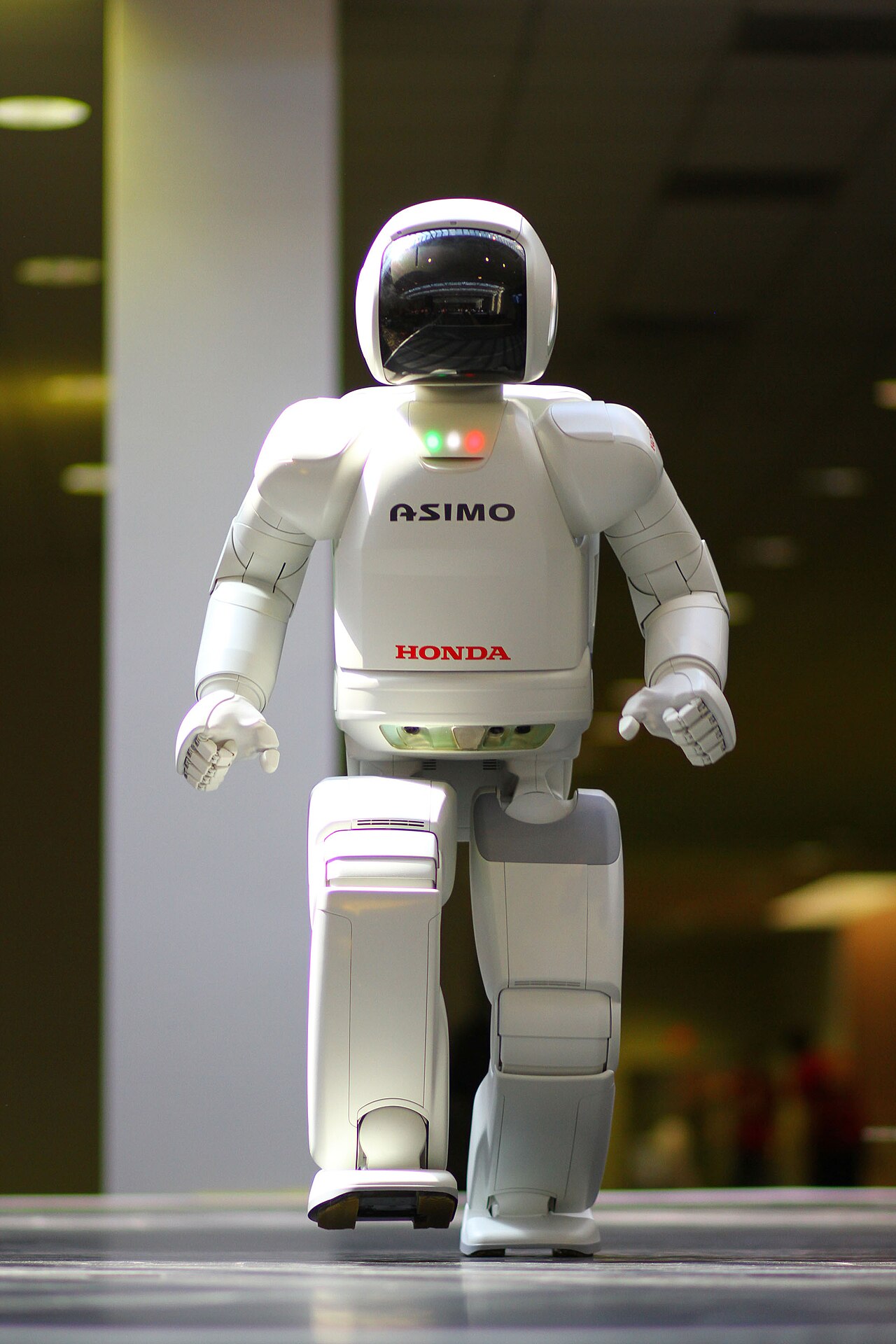
The International Federation of Robotics (IFR) released its first sector‑specific tally of humanoid robots sold for industrial and professional use in 2025. According to figures consulted by Reuters and reported by Emerce, roughly 7,000 units changed hands that year, marking a notable milestone in the tracking of commercial humanoid deployments.
The IFR count deliberately excludes consumer‑grade and military machines and treats medical‑sector robots as a separate category. This methodological choice means the 7,000 figure reflects only those units marketed for tasks such as assembly‑line assistance, logistics support, or data‑collection pilots, thereby providing a clearer picture of genuine industrial uptake.
Production far outpaces sales
Interact Analysis, a market‑research firm, published a contrasting dataset that focuses on global manufacturing output. Its report states that more than 20,000 humanoid robots were produced in 2025, a ten‑fold increase over the 2,000 units manufactured in 2024, highlighting a rapid acceleration in factory output.
The two datasets are not contradictory; they simply measure different stages of the supply chain. IFR tracks professional sales, while Interact Analysis tracks total units leaving factories. The overlap suggests that only about 10 % of the robots built in 2025 have been deployed in real‑world applications, according to Interact Analysis.
Geographic concentration of supply
Interact Analysis estimates that more than 90 % of the 2025 production originates from Chinese suppliers, and roughly 75 % of all shipments were delivered within China itself. This concentration underscores the role of the Chinese ecosystem in driving the current surge in humanoid robot manufacturing and in shaping the global supply chain dynamics.
Two of the most prolific manufacturers, Unitree and Agibot, together produced and shipped over 11,000 units in 2025. However, the two firms’ internal reporting scopes differ, which explains why the combined figure does not align perfectly with the broader production estimate presented by Interact Analysis.
Why deployment remains limited
Several technical and regulatory hurdles continue to restrain large‑scale commercial adoption. The most frequently cited barriers are:
- Reliability of hardware under continuous operation
- Unclear return on investment for most enterprises
- Limited battery autonomy and energy efficiency
- Insufficient physical‑world data to train robust AI models
- Material endurance and wear‑and‑tear over time
- Absence of universally accepted safety standards
Without demonstrable reliability, companies are reluctant to replace proven automation solutions with humanoid platforms that may require frequent maintenance or cause production downtime, a risk that many firms are unwilling to accept.
The ROI calculus is further complicated by the high upfront cost of humanoid units and the uncertainty surrounding their productivity gains compared with conventional robotic arms or conveyor systems, making investment decisions more cautious.
Battery life remains a practical constraint; many prototypes can only operate for a few hours before needing recharging, limiting their usefulness for continuous shift work and raising concerns about operational efficiency.
Implications for English‑speaking organizations
For businesses in the United Kingdom, United States, Canada, Australia and other English‑speaking markets, the data signals that the hype around humanoid robots is still far ahead of practical reality. Decision‑makers should treat current deployment figures as a warning that large‑scale integration will likely require additional years of engineering refinement, clearer safety regulations and proven cost‑benefit studies before a meaningful ROI can be expected.
In practice, firms that have experimented with early‑stage humanoid deployments report mixed results, often citing the need for extensive site‑specific customization and ongoing support contracts to keep the machines operational.
Analysts also note that the supply‑side concentration in China may create logistical bottlenecks and lead times that further discourage companies in distant markets from committing to large orders without guaranteed after‑sales service.
Overall, the disparity between the 20,000‑plus units manufactured and the sub‑2,000 units actively employed underscores a structural gap that industry stakeholders must address through coordinated standards, better energy solutions, and demonstrable performance metrics.
Localised insight: In the United Kingdom, the Robotics and Autonomous Systems Association has warned that without a national framework for safety certification, many potential adopters will remain hesitant, reinforcing the observed deployment lag despite the impressive production numbers.
Sources
- Wereldwijd 7.000 humanoïde robots verkocht in 2025Emerce · September 23, 2026
- Humanoid robot production surges tenfold in 2025, but commercial deployments remain limitedInteract Analysis · September 22, 2026