
Smart-glasses sales in China more than double over eight months
China’s Ministry of Commerce says smart-glasses sales on major platforms more than doubled during the first eight months of 2026, without publishing the absolute number of units sold; the figure signals rapid adoption but not usage or profitability.
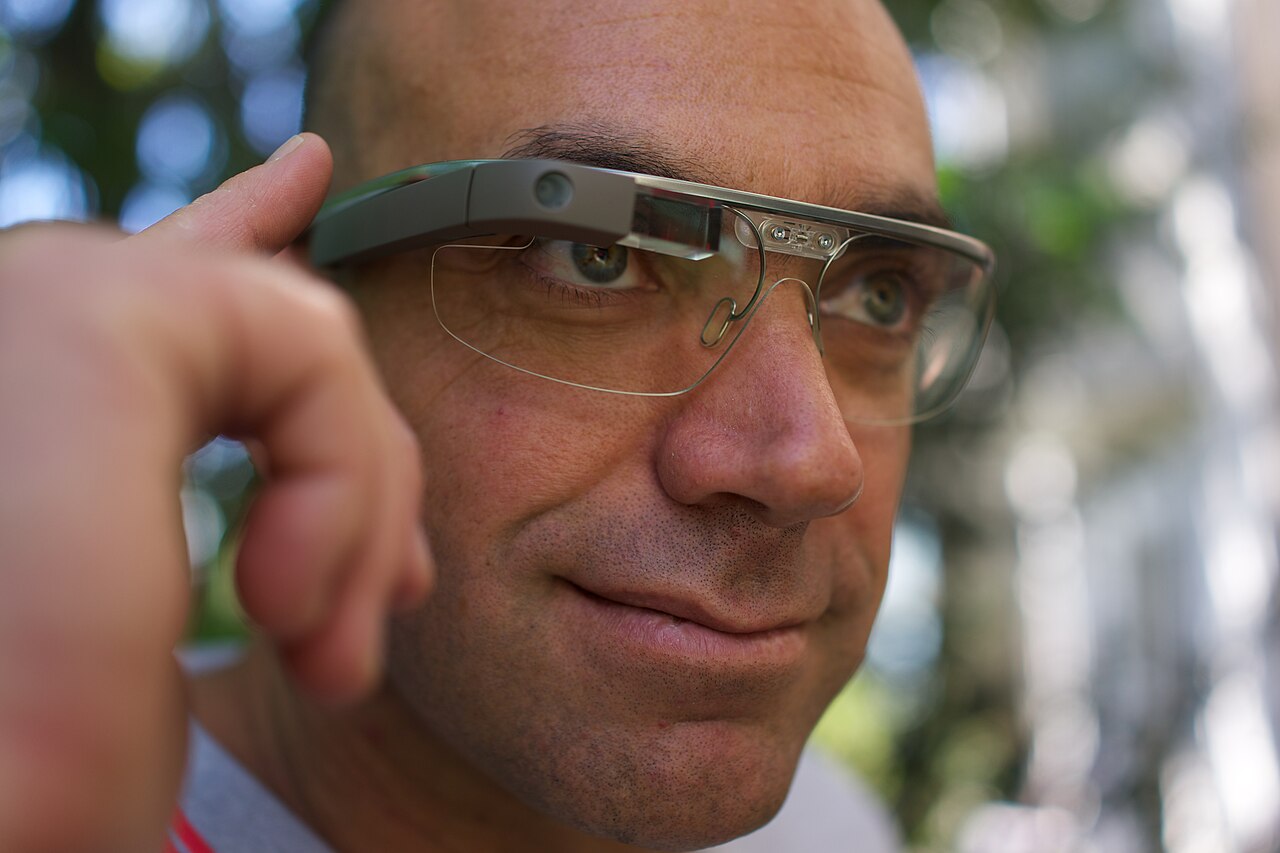
Rapid Growth of Smart Glasses in Early 2026
According to data released by the Chinese Ministry of Commerce, sales of smart glasses on the country’s major e‑commerce platforms more than doubled during the first eight months of 2026. The ministry’s announcement, made on 20 September, provides the percentage increase but does not disclose the absolute number of units sold.
The same ministry reported that sales of electrocardiographic monitoring devices rose by 75 % over the identical period, while action‑camera sales grew by roughly 27 %. These parallel trends suggest a broader consumer shift toward wearable and portable electronic products.
Contextual Shifts in Consumer Spending
In contrast to the booming categories, the ministry indicated a 6.1 % decline in petroleum product sales, attributing the drop to an increasing reliance on cleaner energy sources. This divergence highlights a possible reallocation of discretionary spending from traditional energy‑intensive goods to high‑tech consumer electronics.
Retail sales of services grew by 4.9 % between January and August, a rate that is 3.9 percentage points higher than the growth observed for goods. The relative outperformance of services may reflect heightened consumer interest in subscription‑based or software‑driven offerings that often accompany smart hardware.
Rural retail sales increased by 2.3 %, outpacing urban growth by 1.3 percentage points. This rural‑urban gap suggests that the diffusion of smart glasses is not confined to metropolitan areas and that rural consumers are participating in the overall expansion of electronic goods.
Market Share and Geographic Distribution
County and rural markets now account for 39 % of all consumer‑goods sales, representing a 0.3‑point rise compared with the previous year. The incremental share aligns with the modest but notable rural sales growth reported earlier.
The double‑digit surge in smart‑glass sales therefore occurs within a broader environment where rural markets are gaining a larger foothold in the overall consumer‑goods landscape.
- Smart glasses sales more than doubled (first eight months of 2026)
- Electrocardiographic device sales up 75 %
- Action‑camera sales up ~27 %
- Petroleum product sales down 6.1 %
While the percentage increase for smart glasses is striking, the ministry’s report does not disclose how much of the devices’ artificial‑intelligence capabilities are actually utilized by end users. This limitation prevents a clear assessment of functional adoption beyond the hardware purchase.
Similarly, the profitability of manufacturers remains unquantified. Without data on margins or cost structures, the revenue growth indicated by sales volume cannot be directly translated into financial performance.
The absence of a baseline or comparative benchmark also constrains interpretation. The ministry’s figures lack a reference point such as previous years’ growth rates for smart glasses, making it difficult to gauge whether the observed doubling represents an anomaly or a continuation of an existing trend.
Open Questions and Potential Implications
Future research could explore whether the rapid uptake of smart glasses may stimulate ancillary markets such as app development, content creation, or specialized accessories. Conversely, the limited insight into AI usage could mean that the devices’ advanced features are underutilized, which would affect long‑term consumer satisfaction.
If rural consumers continue to adopt smart glasses at a slightly faster pace than urban shoppers, the geographic diffusion pattern could influence supply chain decisions, potentially prompting manufacturers to adjust distribution strategies toward county and rural outlets.
The concurrent decline in petroleum product sales may indicate a broader energy transition that could indirectly support the growth of electronic devices, as cleaner energy adoption may lower operational costs for both manufacturers and consumers.
Overall, the reported doubling of smart‑glass sales signals a swift market expansion, yet the lack of detailed usage, profitability, and comparative data leaves several critical aspects of the phenomenon unresolved.
Sources
- China’s Smart-Glasses Sales Double in First Eight Months of YearBloomberg · September 20, 2026
- Smart glasses en andere gadgets zijn populair geworden in ChinaBright · September 20, 2026