
Gartner: Global AI Spending to Reach $2.7 Trillion by 2026
Global AI spending will reach $2.7 trillion in 2026, a 49.5 percent surge driven by massive data center investments, according to research firm Gartner.
Worldwide expenditures dedicated to artificial intelligence are undergoing an unprecedented scale transition across both enterprise and public sectors. According to an extensive analysis published by technology research firm Gartner, total global spending on AI technologies is projected to reach $2.7 trillion ($2,700 billion) in 2026. This monumental figure represents a year-over-year increase of 49.5 percent compared to the preceding year. This dramatic market acceleration is primarily propelled by two interrelated industry dynamics: the massive physical expansion of data center facilities and computational infrastructure on one side, and the aggressive embedding of sophisticated AI functionalities directly within established enterprise software platforms on the other.
These overarching market metrics highlight a fundamental and structural realignment of enterprise IT budgets across the globe. Whereas earlier phases of the generative AI boom were largely defined by isolated experimental deployments, standalone pilot projects, and exploratory proof-of-concept initiatives, corporate capital is now decisively shifting toward heavy physical foundations and direct operational integration. The relentless and escalating demand for specialized computing capacity continues to dictate the overall tempo of the technology market, persisting even as the acquisition costs for mission-critical hardware components, such as high-bandwidth memory chips and advanced processors, continue to mount.
Data Center Infrastructure as the Foundation of AI Spending
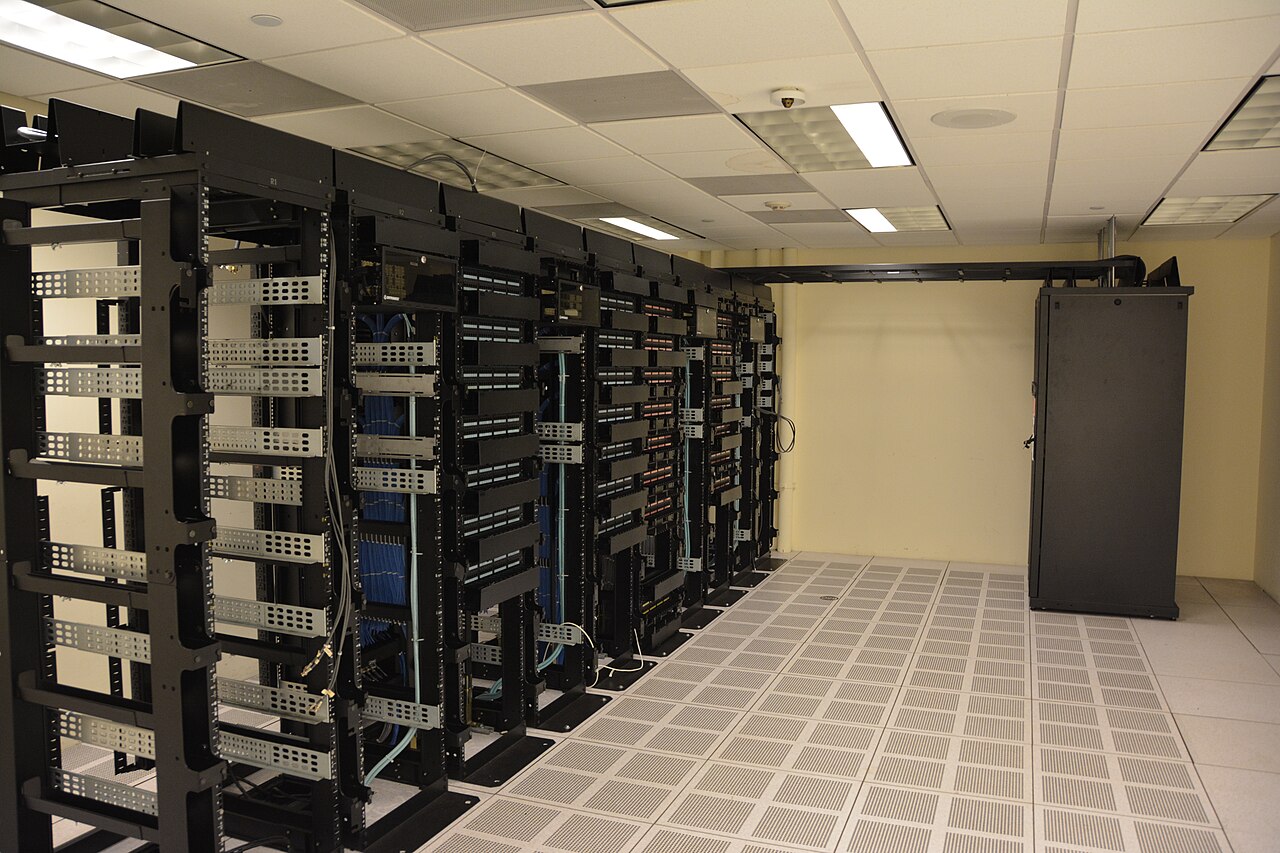
Within the aggregate spending forecast, physical hardware and foundational data center infrastructure constitute by far the largest single component of the AI economy. In 2026 alone, data center infrastructure is anticipated to account for nearly $1.5 trillion in total expenditures, representing a substantial climb from the more than $980 billion recorded in 2025. Consequently, physical and cloud compute infrastructure commands more than half of all worldwide investments poured into artificial intelligence. Gartner further anticipates that this specific category will maintain its upward trajectory into 2027, expanding to an annual volume of nearly two trillion dollars. The acquisition of advanced, AI-optimized server clusters by major hyperscalers and specialized compute providers remains the primary capital expenditure driver within this segment.
The construction of AI data center capacity is the largest infrastructure project humanity has ever undertaken.
This sustained wave of capital deployment into high-density compute capacity is fostering highly favorable commercial conditions for a specialized cohort of infrastructure and cloud service providers. High-performance compute companies and specialized infrastructure operators such as Lambda, Crusoe, CoreWeave, Nebius, Core Scientific, and public listing candidate Nscale are seeing their strategic importance within the broader technological ecosystem grow rapidly, largely because they provide enterprise clients with direct access to increasingly scarce, high-density computing clusters optimized for intensive model training and inferencing workloads.
- Infrastructure: expanding from over $980 billion in 2025 to nearly $1.5 trillion in 2026, with continued growth toward approximately $2 trillion by 2027.
- AI Software: reaching an aggregate worldwide market value of over $461 billion in 2026, underpinned by significant momentum in AI agents, virtual assistants, and generative model integration.
- AI Cybersecurity: growing from almost $26 billion in 2025 to more than $51 billion in 2026 as organizations secure their deployment footprints.
- AI Services: projected by analysts to unlock a cumulative addressable market potential of $1.2 trillion as the industry approaches 2030.
Trough of Disillusionment and the Rise of Embedded AI
Even as baseline capital expenditure climbs to historic heights, generative AI as a broader technology category is firmly positioned within the Trough of Disillusionment throughout 2026, according to Gartner's analytical framework. The inflated expectations and speculative enthusiasm that defined earlier cycles are now being superseded by a pragmatic and sober evaluation of demonstrable business value and operational return on investment. Major software vendors across the entire enterprise spectrum are responding directly to this shift by natively integrating agentic AI capabilities, autonomous assistants, and generative functionalities into their existing software suites, aiming to defend their product moats against emerging cross-functional autonomous AI agents.
Enterprise buyers, for their part, are displaying a clear preference for these ready-made, pre-integrated capabilities delivered directly through their existing enterprise software vendors. Rather than embarking on complex, costly custom development projects from scratch, organizations are prioritizing the streamlining of day-to-day operational efficiency, the automation of repetitive workflows, the enrichment of customer support interactions, and the reinforcement of managerial decision-making processes within familiar, trusted enterprise environments.
Shifting IT Services and Persistent Organizational Risks
This pronounced enterprise appetite for built-in, vendor-provided tools is exerting a transformative impact on the IT consulting and services market. Analyst John-David Lovelock observes that organizations are increasingly turning away from third-party IT service firms for massive, all-encompassing enterprise transformation engagements. Instead, commercial demand is pivoting toward smaller, indirect, and modular projects centered on configuring, fine-tuning, and maximizing the utility of AI features already embedded within existing enterprise software. Gartner projects that the collective momentum of strategic organizational transformations and these modular enablement projects will support an overall AI services market of $1.2 trillion toward 2030.
Significantly, tangible operational and architectural risks are not discouraging corporate buyers from continuing their adoption trajectories. Critical concerns regarding deep vendor lock-in, data privacy and national data sovereignty regulations, and unpredictable recurring licensing costs are widely acknowledged by enterprise leadership, yet these risks have not stopped organizations from embracing and deploying the proprietary AI features delivered by their existing software partners.
For modern enterprises and operational leaders, these macroeconomic findings indicate a decisive shift in resource allocation strategies. Rather than budgeting substantial capital for high-risk, standalone custom AI developments, organizations must prioritize the disciplined activation and governance of AI functionalities already embedded within their software ecosystem. Technology decision-makers must carefully audit contract terms and licensing frameworks to control vendor lock-in and escalating software costs, placing verifiable operational productivity and quantifiable business outcomes ahead of purely speculative technological experimentation.
Sources
- Wereldwijde AI-uitgaven stijgen naar 2.700 miljardEmerce · September 24, 2026
- 2026 AI spend to hit $2.7trnElectronics Weekly · September 18, 2026