Qantas cuts 850 Australian jobs, moving work to India with AI
Qantas will cut 850 Australian corporate jobs from mid-2027 and outsource the work to Accenture, mostly to India, as it speeds up AI investment. Unions object.
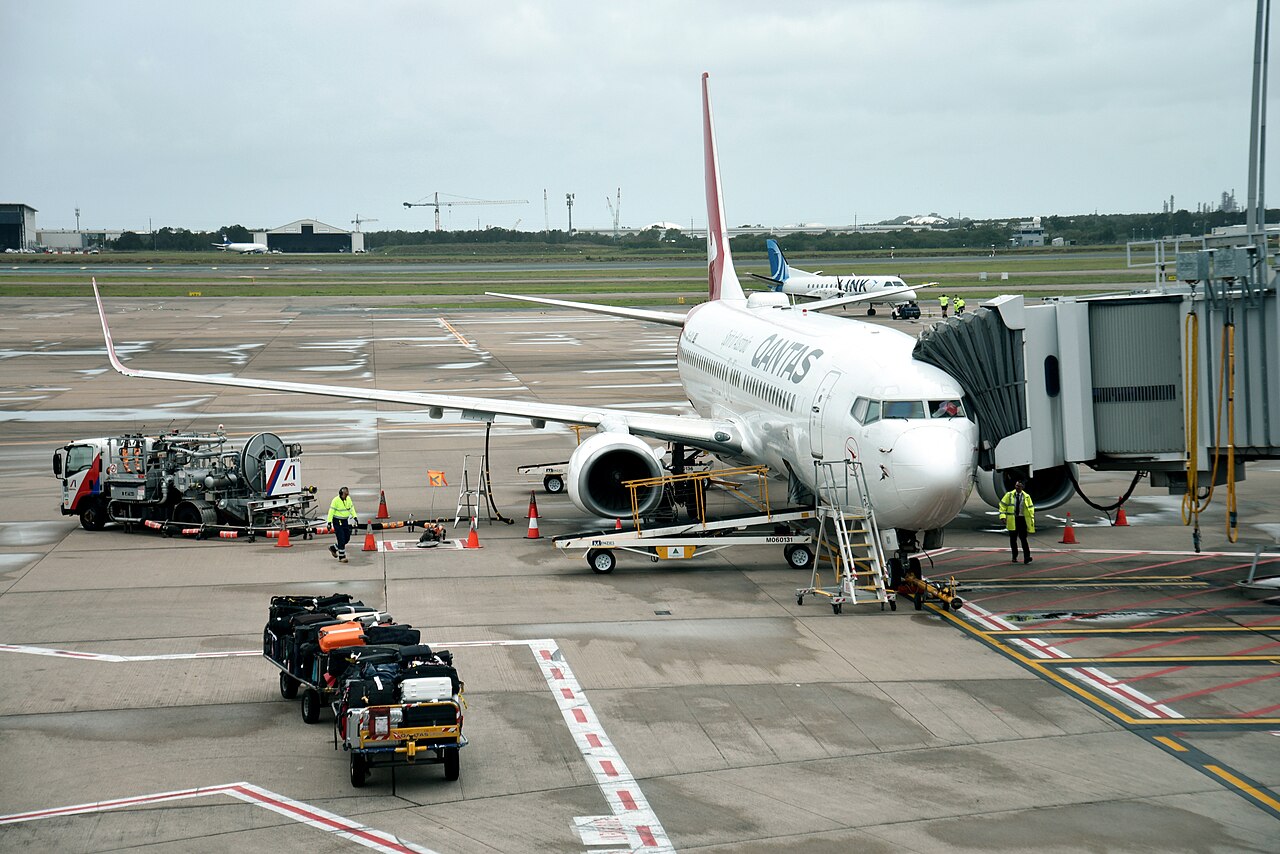
Qantas said on Tuesday 10 November 2026 that it will cut 850 jobs in Australia and outsource the work to the professional services firm Accenture, with most of the roles moving to India. The airline presents the decision as part of an overhaul of its technology and its use of artificial intelligence. According to the Guardian, the multi-year agreement with Accenture is meant to "modernise its back-end systems, processes and data, as it steps up investment in technology and AI". The announcement drew an immediate response from Australian unions.
What Qantas has announced
The details come from two sources: the Guardian, which reported the announcement, and the BBC, which quoted an internal email sent by chief executive Vanessa Hudson to staff. In that email, Hudson wrote that "this is hard news for some and I'm sorry for the uncertainty it brings". The first changes are due to take effect around the middle of 2027, according to both outlets. They will start with finance, procurement, people (human resources) and marketing roles, which would shift "mostly" to teams in India and "some in Australia", according to the BBC.
- 850 local corporate jobs affected, according to the Guardian and the BBC.
- A multi-year agreement with Accenture, whose large India-based team will take over some of the services.
- First changes from mid-2027, starting with finance, procurement, human resources and marketing.
- About 32,000 employees in total, according to Qantas's latest annual report quoted by the Guardian; the BBC gives roughly 28,000 in Australia and 4,000 elsewhere.
- Staff redeployed "where possible", including to new roles in Australia, according to the company.
Why Qantas says it is restructuring
Hudson argued that the pace of technological change leaves the company little choice. "The scale and speed of change in this space is unprecedented and unlike anything businesses have seen in generations," she said, according to the Guardian. She also insisted that the decision "is not a reflection of their contribution or commitment".
The chief executive gave a technical justification quoted by the BBC. Qantas spends more than AU$1bn a year (about US$691m) on technology, and its back-end systems need upgrading. "Like every airline, we run on technology built up over decades for a different era, including more than 1,000 legacy applications that were never designed to work together," she said. The Accenture deal, she added, will let the company "redesign and simplify parts of how our corporate functions work and reduce duplication", so that remaining staff can spend more time on work that creates value for customers.
Automation comes later in the plan. Qantas said that "in time" the work taken over by Accenture will be "transformed further with automation and AI". The company also said that thousands of its employees already use AI in their daily work. In other words, the first step is an outsourcing contract and a clean-up of old systems; the AI element is described as a second phase, not as the immediate cause of each job loss.
How unions reacted
The Australian Services Union, which has previously battled Qantas over outsourcing decisions, said the airline owes its staff an explanation. According to the union, Qantas had earlier promised it had no plans to move any jobs offshore. Assistant national secretary Scott Cowen said: "AI is having a huge impact on workers across the country, but the cost of technology change should not be borne by the workers who have kept the airline running for years." He added: "Sending more jobs overseas is not in the spirit of Australia."
Hudson said Qantas would consult affected staff and unions before final decisions are made. The BBC said it had contacted the Australian Services Union for comment; the union's quotes above are those reported by the Guardian.
A third restructuring in three weeks
The Guardian describes the Qantas plan as the third major corporate layoff programme announced in Australia in three weeks, after the design company Canva and National Australia Bank. According to the newspaper, NAB is targeting 2,500 roles and Canva 1,200; with Qantas's 850, about 4,550 corporate jobs have been targeted for cuts, relocations or restructuring in the past month.
The backdrop is difficult. The Guardian notes that living costs are surging and that unemployment has reached its highest level in nearly five years. A subdued economy, made worse by elevated oil prices stemming from the Iran conflict, is also pushing companies to cut costs. Qantas itself is dealing with rising jet fuel prices, partly offset by ticket sales to new customers who switched after cancelling flights with airlines that have Middle East stopovers. In a market update days earlier, the airline said demand was resilient but that it would keep adjusting fares and capacity in response to fuel costs.
What remains unknown
The sources leave several questions open. Neither says how many of the 850 roles will go to India and how many will stay in Australia beyond Hudson's wording of "mostly" and "some". Neither gives the expected savings, the value of the Accenture contract or the number of staff who will actually be redeployed. And it is not established how much of the change is driven by AI itself rather than by the cost of moving work to a lower-cost location; Qantas links the two, while the union frames the cuts as technology change paid for by workers.
What this changes for businesses
For companies in the United Kingdom and elsewhere, the Qantas case shows a pattern worth watching: corporate support functions such as finance, procurement, HR and marketing are the first to be packaged into an outsourcing contract with a consultancy, with automation promised afterwards. Employers considering the same route face a reputational and industrial-relations cost, as the union's reference to an earlier promise shows, and should be ready to explain what is being offshored, what is being automated and what is being kept. Staff and their representatives, for their part, now have a clear example of the questions to ask before consultation begins.
Sources
- Qantas to cut 850 Australian jobs and outsource work to India under AI-driven overhaulThe Guardian · November 10, 2026
- Qantas to outsource 850 local jobs with most shifting to IndiaBBC News · November 10, 2026