Académie Goncourt Pulls Thélyson Orélien’s Novel After AI‑Detection and Plagiarism Allegations
The Académie Goncourt removed Thélyson Orélien’s prize‑winning novel C’était ça ou mourir from its longlist on September 25, 2026, citing disputed AI‑detection results and separate plagiarism claims.
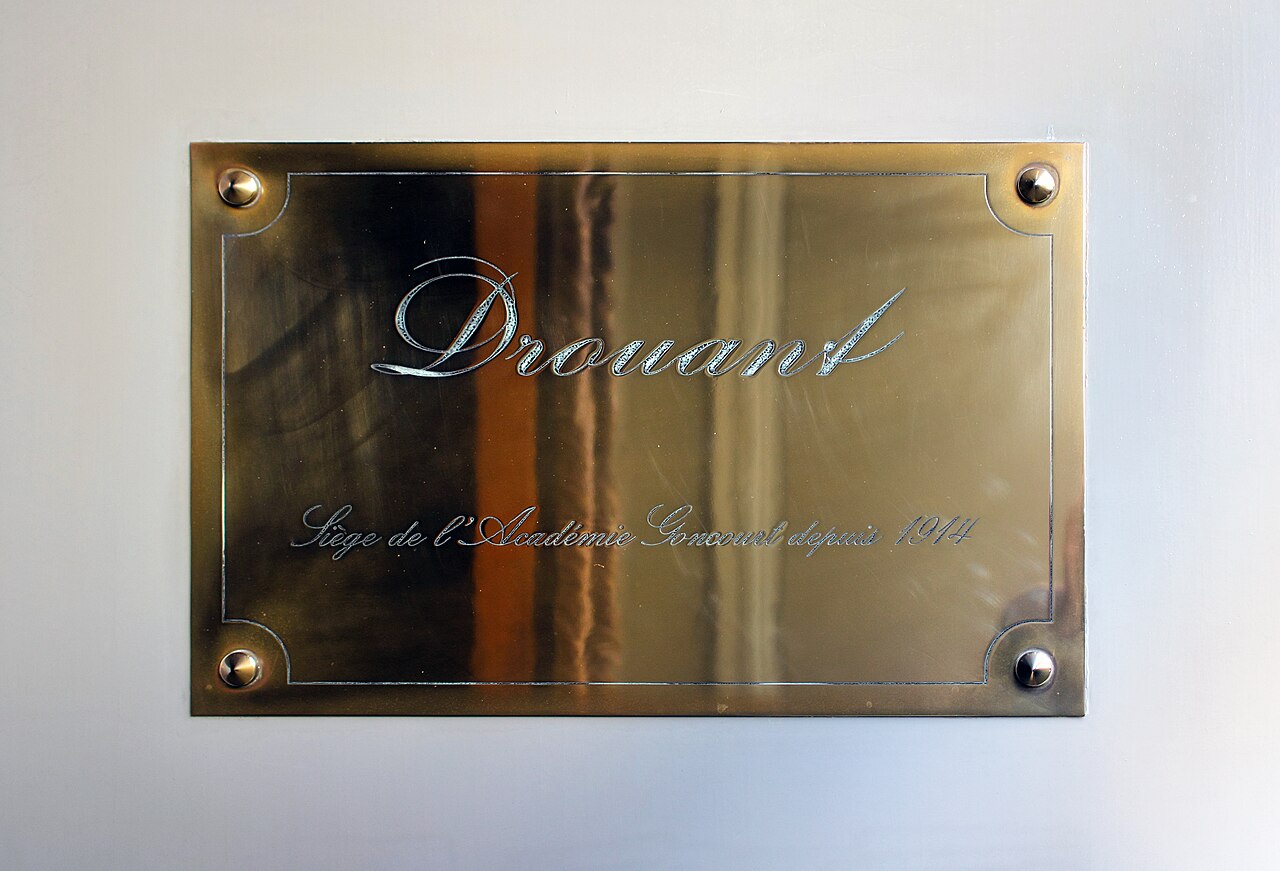
On 25 September 2026 the Académie Goncourt announced that the novel C’était ça ou mourir, authored by Canadian‑Haitian writer Thélyson Orélien, would be withdrawn from the prize longlist. The move followed an anonymous social‑media post from the account Balance ton Claude, which claimed that the detection service Pangram had identified twenty passages as being generated by artificial intelligence.
The identity behind Balance ton Claude later emerged as Figaro columnist Samuel Fitoussi. He had posted the allegation without releasing the raw detection data. In its official statement, the academy said it sought to safeguard the prize’s integrity and to protect literature produced by human hands, while noting that the novel was deemed “likely to be largely AI‑assisted.”
Competing Detector Results Highlight Uncertainty
French media outlets that re‑examined the same excerpts with alternative detection tools reported that the text was “probably human‑written.” These conflicting outcomes underscore the current lack of consensus on the reliability of AI‑detectors, a point repeatedly stressed by commentators following the episode.
Orélien himself refuted any involvement of AI. He maintained that the novel’s distinctive Haitian and Caribbean diction, its vivid imagery and its rhythmic cadence are products of his personal cultural heritage, not the output of a machine.
Separate Plagiarism Allegations
Concurrently, separate investigations raised plagiarism concerns. One allegation linked a specific passage in C’était ça ou mourir to an older short story, while another suggested a similarity to a paragraph from the classic French work Le matin des magiciens.
The Académie Goncourt emphasized that the detector claim and the plagiarism accusations constitute distinct issues that should not be conflated. It warned that merging the two could obscure the central question of whether the novel is primarily human‑authored.
Prior to its removal, the novel had already enjoyed considerable commercial success, having secured the Prix du roman Fnac and achieving sales of roughly 35 000 copies.
The Canadian publisher Boréal, which manages Orélien’s English‑language rights, declined to confirm or deny the allegations. The house urged journalists and the public to exercise restraint until solid evidence is presented.
Timeline of the Prize Process
- Longlist announced – early September 2026
- Removal of C’était ça ou mourir – 25 September 2026
- Shortlist to be published – 6 October 2026
- Final winner announced – 4 November 2026
The removal does not affect the remaining longlist entries, which will continue to be evaluated for the shortlist scheduled for 6 October. The academy indicated that the decision was taken to preserve confidence in the prize while it reviews the contested detection evidence.
The episode has sparked a broader debate within the French literary community about the role of AI in creative writing and the standards for verifying originality.
Legal experts note that plagiarism claims require a demonstrable line‑by‑line comparison, whereas AI‑detector outputs are probabilistic and can vary widely between tools.
Publishers across Europe are now revisiting their internal policies, seeking clearer guidelines on how to handle works flagged by AI‑detectors before making public statements.
Implications for English‑Speaking Institutions
For English‑speaking organisations, the case underscores the necessity of establishing transparent policies on AI‑generated content and plagiarism verification. Companies, publishers and cultural bodies should treat detector results as one data point among many, cross‑check claims with multiple tools, and keep technical doubts separate from legal accusations before imposing punitive measures.
In the United Kingdom, the Literary Society has announced a review of its submission guidelines to incorporate explicit references to AI‑assistance, aiming to prevent similar controversies in future award cycles.
The French Ministry of Culture has also signalled its intention to commission a study on the reliability of AI‑detection software, hoping to provide a regulatory framework that balances innovation with the protection of authors’ rights.
Ultimately, the Goncourt episode may serve as a catalyst for a more nuanced conversation about the intersection of technology, creativity and intellectual property, prompting stakeholders worldwide to refine their approaches.
Sources
- Novelist accused of using AI to write book removed from French prize listThe Guardian · September 25, 2026
- L’académie Goncourt se positionne vite et maladroitement contre l’IA générativeNext · September 25, 2026