Over 80 UK stars back campaign for legal ownership of voice
Nicola Coughlan, Matt Lucas, Hugh Bonneville and more than 80 performers have signed an open letter to Prime Minister Andy Burnham demanding a law that gives every person legal ownership of their own voice against AI cloning.
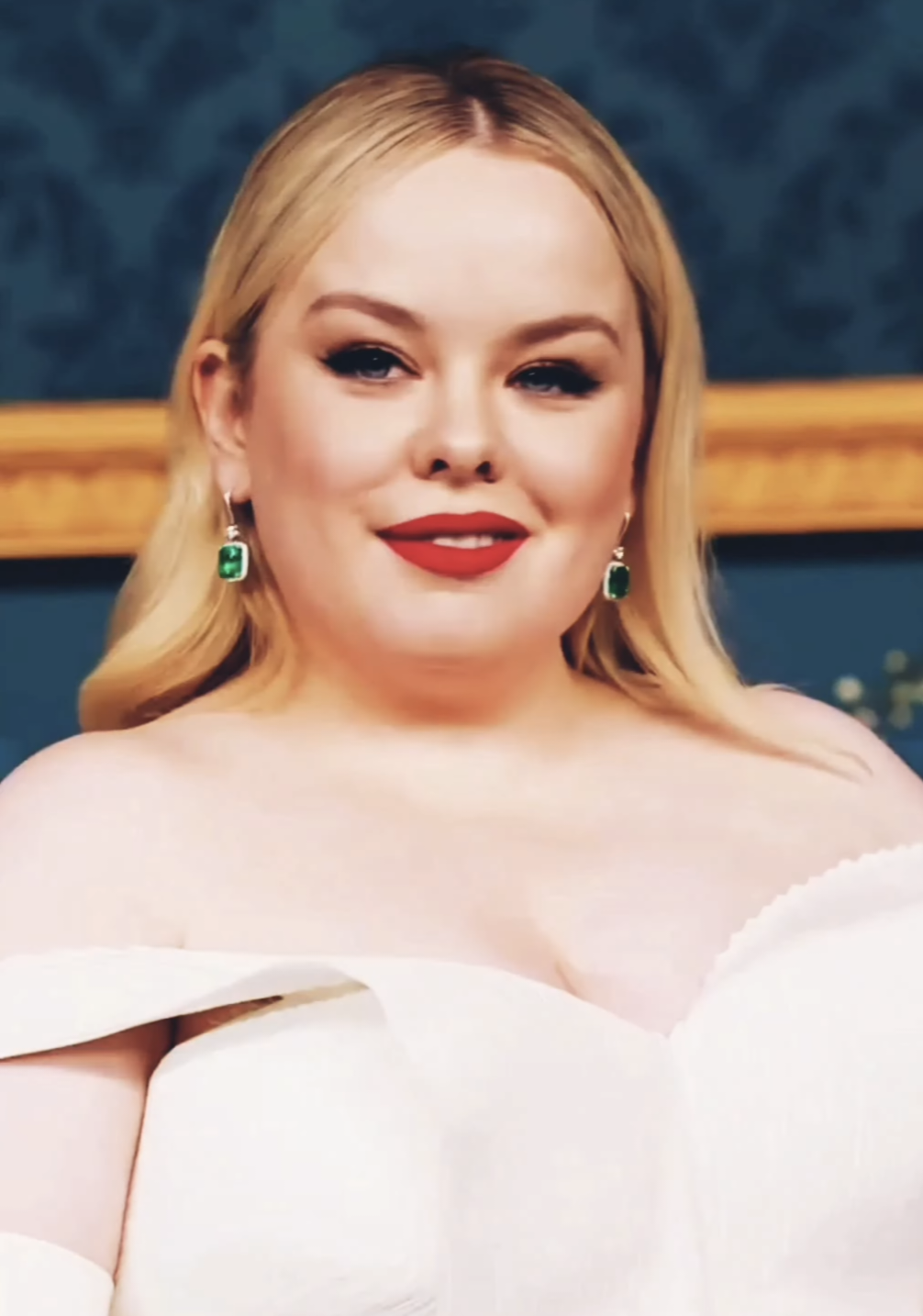
More than 80 actors and figures from Britain's creative industries have added their names to Save Our Voices Now, a campaign demanding legislation that would give individuals legal ownership of their own voice and greater control over how it is cloned by artificial intelligence. Nicola Coughlan, Matt Lucas, Hugh Bonneville, Luke Evans, Jen Brister, Siobhán McSweeney and Pearl Mackie are among the signatories of an open letter sent to Prime Minister Andy Burnham, alongside a petition launched on the government's official Gov.uk petitions site.
Voice cloning works by training an AI system on a short recording of someone's voice, then using it to generate synthetic speech in that same voice, saying words the person never actually spoke.
The letter asks for every person in the UK to be granted ownership of their own voice as part of their statutory rights, so that cloning it with AI would require explicit consent. The campaign was co-founded by Peter Caulfield, who described the stakes bluntly: "In just three seconds, with the right AI system, your voice can be cloned, stolen and reinterpreted without your knowledge. It's a Black Mirror episode, except this isn't fiction. It's happening right now." He added that "the government is allowing AI companies to steal and profit from artists' voices without their consent," while also letting "criminals use AI to clone people's identities and threaten everyone."
What the actors are saying
Bonneville, known for Paddington and Downton Abbey, framed the issue as a matter of identity: "My voice is unique, it's mine, it's part of my identity. So is yours. That's worth speaking up about" — a line he pointedly noted was "handwritten, not created by AI."
McSweeney, Coughlan's Derry Girls co-star, went further, describing the threat as existential for the whole profession: "I'm deeply worried that legislation, contracts, working practices and ethics, and artists' rights are not being considered or protected as quickly as AI technology is progressing. This is an existential problem and needs to be controlled legislatively as soon as possible. My voice is one of my tools." She said she does not want AI shut out of the industry altogether, but wants humans kept in the loop: "In order to adapt and move with technological advances, I don't see why we should remove the human from the equation. Our audiences want that human connection. Not AI."
A threat beyond privacy
The campaign also cites a striking figure: it says 28% of UK adults report having been targeted by a voice-cloning scam, in which fraudsters use an AI-generated copy of a familiar voice — a relative, a colleague, a public figure — to extract money or information. Audiobook narrator Alice Sockett, another co-founder of the campaign, told the BBC that voice theft "increases every week" and now poses "an existential threat to our entire industry."
Denmark has already moved
Save Our Voices Now points to Denmark as proof that legislating on this is possible: recent Danish law reforms give citizens legal ownership over their own face, body and voice, letting them demand the removal of unauthorised AI-generated content and seek compensation when it is used without consent. The campaign wants Westminster to follow that lead rather than wait for the harm to accumulate.
Not every performer agrees
The debate is not one-sided even within the industry. Some performers are moving pre-emptively to protect their voices: Harry Shearer, who voices several Simpsons characters, has said he has "talked to legal people" about safeguarding his voice from being recreated after his death. Others have welcomed the technology: the estate of Gene Wilder recently approved an AI-recreated version of his voice to narrate a new Netflix reality series inspired by Willy Wonka, with his widow, Karen B. Wilder, saying it would introduce his "warmth and imagination... to a new generation while honoring the fans who have cherished it for decades."
What this changes for British performers
For the UK's actors, voice artists and audiobook narrators, the outcome of this campaign would set the terms under which their voices can, or cannot, be used without their say-so. A statutory right to one's own voice would give performers like Sockett and the letter's signatories a legal footing to refuse or license AI clones on their own terms, instead of negotiating case by case with studios, tech firms or scammers, who currently face few UK-specific rules written for voice cloning. Until Parliament acts, performers are left relying on general data-protection and personality-rights law that predates generative AI, even as an unauthorised voice clone can already be produced in three seconds.