Crusoe drops $1.25bn Boom turbine plan for AI data centres
Crusoe has ended its planned $1.25 billion order for Boom Supersonic turbines, removing the launch customer from a power-generation business designed for AI data centres.
On September 25, 2026, Denver-based AI data-centre developer Crusoe confirmed that it is no longer doing business with Boom Supersonic, ending a planned $1.25 billion purchase of stationary gas turbines. The agreement had made Crusoe the first customer for Boom’s Superpower power-generation business and envisaged 29 turbines for AI infrastructure projects.
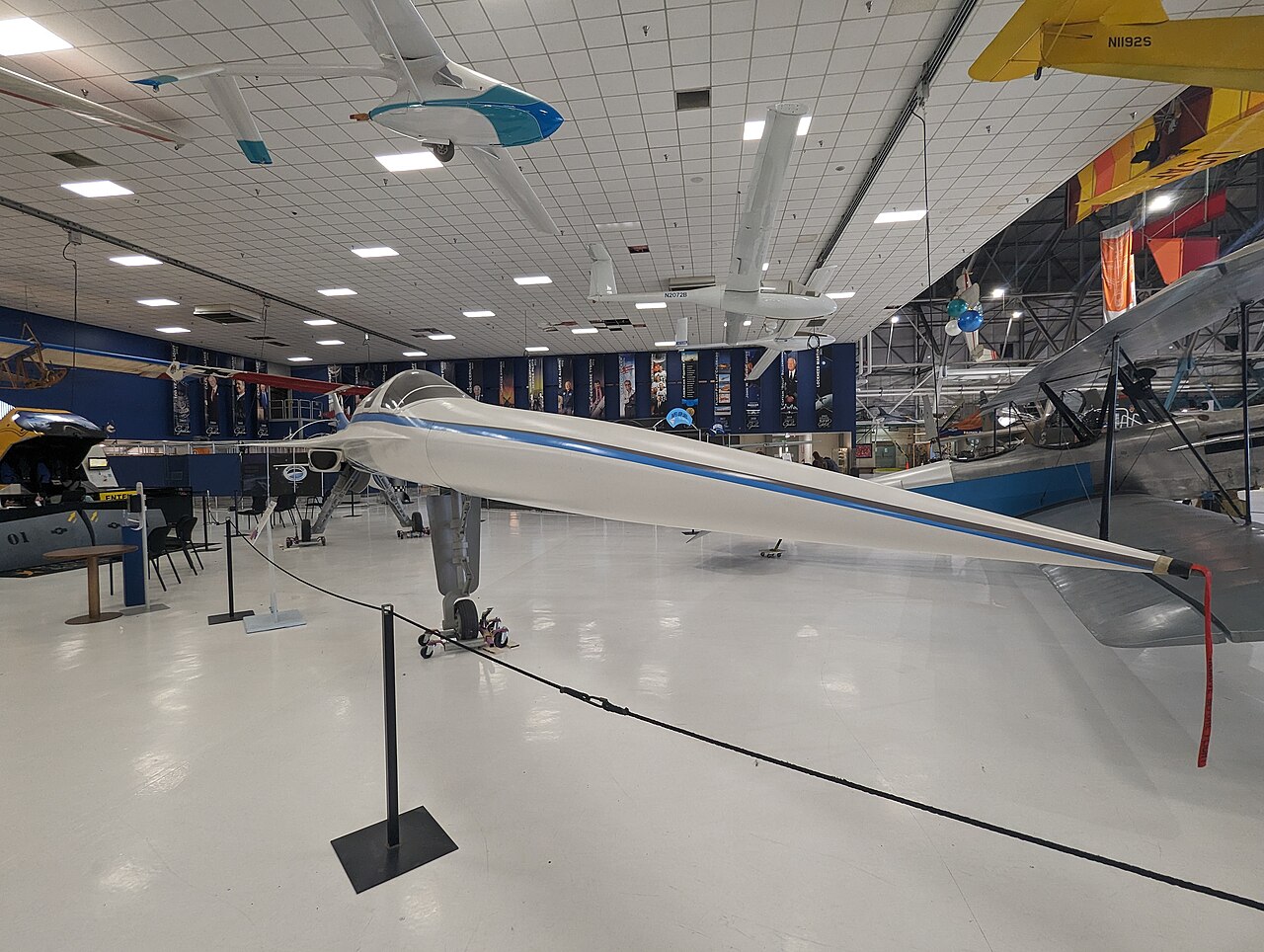
The decision is significant because the order was central to Boom’s effort to turn technology developed for its planned supersonic passenger aircraft into a separate energy business. Boom is developing the Overture airliner and its Symphony engine; the company says its stationary Superpower turbine shares about 80% of its parts with that aircraft engine.
A launch partnership ends
Boom chief executive Blake Scholl disclosed the change in a post on X on Friday. He said turbines were no longer part of Crusoe’s near-term primary power mix in Abilene and elsewhere, meaning a launch partnership no longer made sense. Scholl nevertheless said Boom had other customers in its pipeline and expressed hope that the companies might work together in future if turbines again became part of Crusoe’s primary power supply.
- The original order covered 29 Superpower turbines.
- Each turbine is rated at 42 megawatts.
- The stated value of the planned purchase was $1.25 billion.
- Initial deliveries had been expected to start in 2027.
The figures imply planned capacity of roughly 1.2 gigawatts, a scale that reflected the electricity demands of large AI computing campuses. Crypto Briefing described the order as 1.21 gigawatts, while TechCrunch referred to 29 42-megawatt units. Neither account establishes what contractual steps, if any, remain after the companies’ decision not to proceed with their launch partnership.
Crusoe keeps several power options
Crusoe spokesperson Andrew Schmitt told TechCrunch that the company builds AI factories from the power up and is bringing campuses online across the United States using what he called innovative energy sources. He said Crusoe remains flexible as its portfolio grows, selecting solutions appropriate to each site as needs change, including turbines, wind, solar, batteries and the electricity grid.
Schmitt said Boom had been a strong partner but that the relationship was not the right fit today. That formulation leaves open the possibility of turbines in Crusoe’s broader approach, but it does not identify a replacement supplier, explain the commercial terms of the abandoned plan, or give a timetable for a possible future arrangement with Boom.
Abilene shows the changing requirements
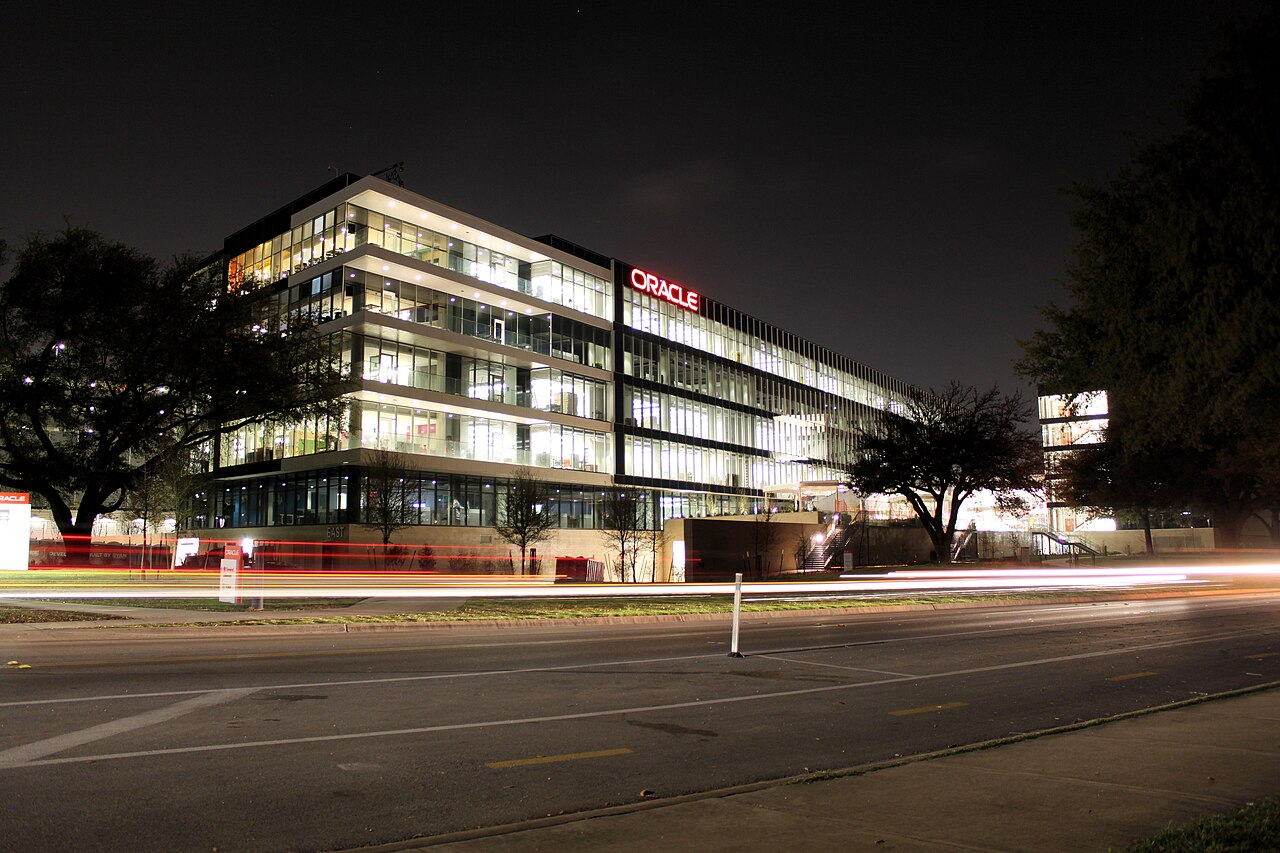
Crusoe’s first 1.2-gigawatt Abilene, Texas, data centre, built for Oracle and OpenAI, is powered by the grid, according to the company. A gas-turbine plant at that site is used only for backup power. The company is also building a 900-megawatt Abilene data centre for Microsoft that will use on-site gas turbines.
Those projects illustrate why the end of the Boom deal should not be read as a blanket rejection of gas turbines by Crusoe. Rather, Crusoe says it will choose energy configurations site by site. Its account distinguishes between grid supply, backup generation and on-site primary generation, categories that can have very different roles in meeting the availability needs of large computing facilities.
A setback for Boom’s diversification
For Boom, the loss of its first announced customer is a setback for a business launched last year. The company raised $300 million last year, largely to commercialise the stationary power venture. Scholl had previously told TechCrunch that profits from power plants were intended to help fund development of Overture, tying the energy initiative closely to Boom’s aviation ambitions.
Scholl said Boom expects to deliver about 250 megawatts of Superpower capacity to other sites next year and is targeting one gigawatt in 2028. These are company targets rather than independently verified deliveries. TechCrunch said Scholl could not be reached for additional comment before publication, so the report does not clarify the identity of those customers or the status of individual orders.
For US communities competing for AI investment, the episode underlines the practical importance of power planning alongside data-centre construction. The Abilene projects show that a single operator may combine grid electricity, backup equipment and on-site generation depending on the campus. Crusoe’s withdrawal narrows Boom’s immediate route into that market, while leaving the wider demand for dependable electricity at AI facilities unresolved.