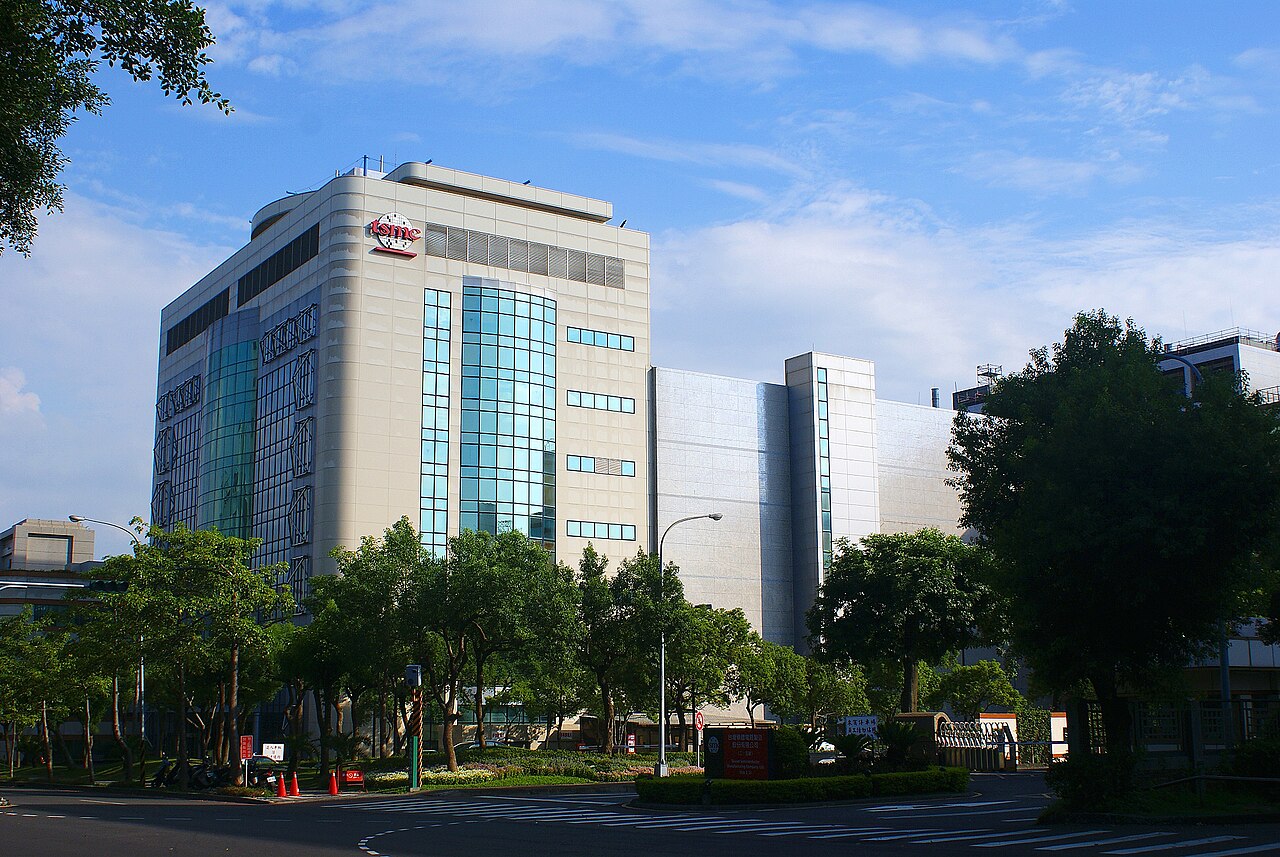
TSMC reports record third‑quarter revenue as demand for advanced AI chips stays strong, while September slips slightly from August
Taiwan Semiconductor Manufacturing Company (TSMC) announced on October 8, 2026 that its September revenue reached NT$511.86 billion, marking a 54.6 % year‑over‑year rise but a 0.6 % dip from August. The company’s third‑quarter total of roughly NT$1.49 trillion set a new record, driven by robust demand for AI‑focused chips.
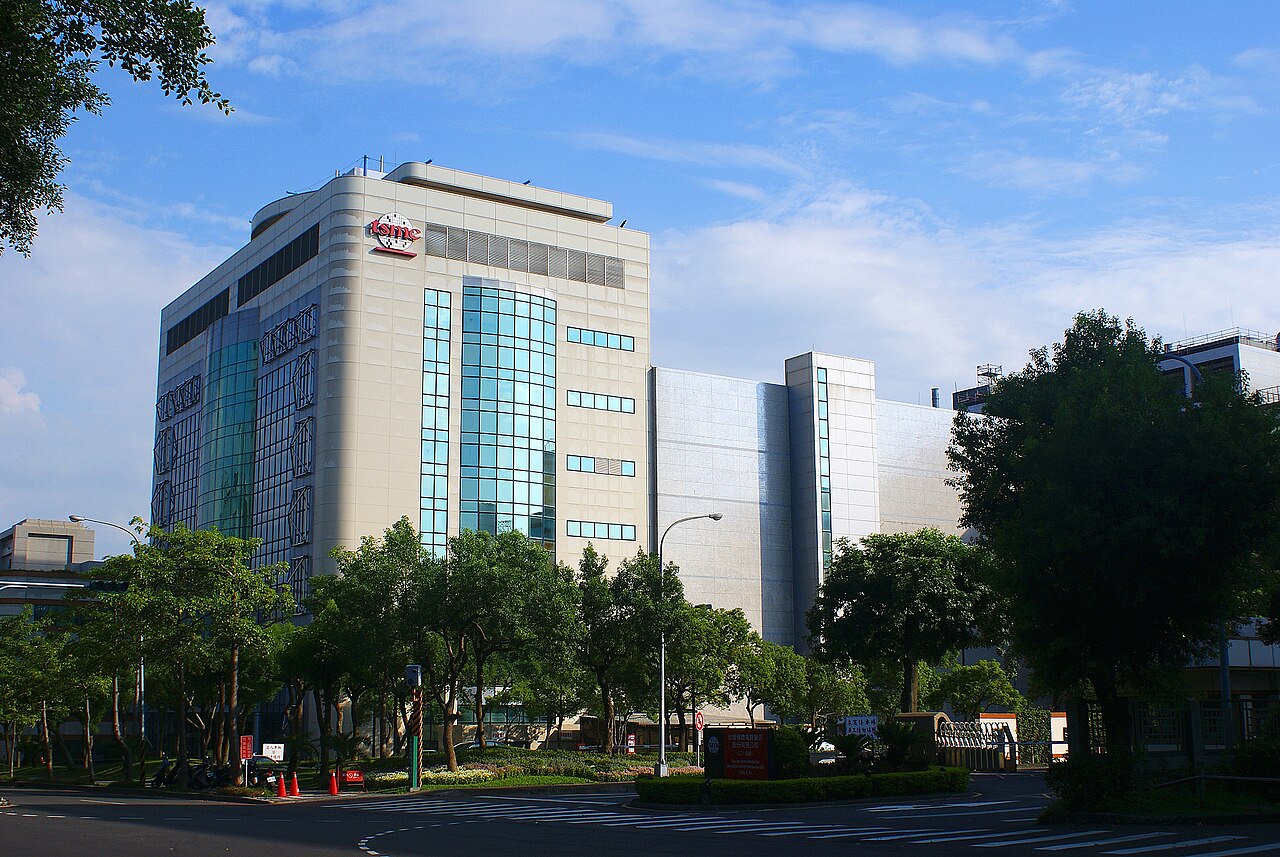
Record third‑quarter revenue announced
In a filing dated October 8, 2026, TSMC disclosed that its revenue for the third quarter of 2026 reached approximately NT$1.49 trillion. This figure represents a roughly 50 % increase over the NT$989.92 billion recorded in the same quarter a year earlier. The result also surpassed the LSEG SmartEstimate of NT$1.46 trillion compiled from 19 analysts. When converted by Reuters, the quarterly total equals about US$46.71 billion, exceeding the company’s own guidance range of US$44.6 billion to US$45.8 billion. The surge underscores the firm’s position as the world’s largest contract chipmaker and highlights the scale of its recent growth.
Monthly September performance
September 2026 alone generated NT$511.86 billion in revenue, according to the same filing. Compared with September 2025, the month’s sales were up 54.6 %, reflecting a strong rebound in demand. However, the figure slipped 0.6 % from August 2026, indicating a modest month‑to‑month slowdown despite the overall upward trajectory. The September total, while impressive, did not set a new monthly record; the record status belongs to the combined three‑month quarter, which broke previous highs.
Quarterly surge driven by AI chip demand
Both Reuters and CNBC linked the extraordinary revenue growth to sustained demand for chips used in artificial‑intelligence (AI) systems. TSMC’s advanced process nodes, which power the latest AI accelerators, are heavily sourced by customers such as Nvidia and Apple. The AI boom has translated into higher wafer volumes for the company’s most sophisticated technologies, pushing up average selling prices and utilization rates across its fab network. While the filing did not break down the contribution by customer, the correlation between AI‑related orders and the revenue jump is widely reported in the market commentary.
The company’s guidance for the quarter had projected revenue between US$44.6 billion and US$45.8 billion. The actual outcome, at roughly US$46.71 billion, therefore outperformed the upper bound of its own forecast. Analysts had expected the AI‑driven surge to be a key factor, but the magnitude of the beat suggests that demand may have been even stronger than the consensus view. The result also reinforces TSMC’s ability to capture premium pricing for its most advanced nodes, a dynamic that could sustain higher margins if the AI trend continues.
Nine‑month results and year‑over‑year growth
For the period January through September 2026, TSMC reported total revenue of NT$3.89873 trillion. This nine‑month figure is 41.1 % higher than the comparable period in 2025, confirming that the quarterly surge is part of a broader upward trajectory for the year. The cumulative growth reflects not only the AI‑related acceleration in the third quarter but also continued strength in other high‑performance segments, such as mobile and high‑performance computing, which remain core to the company’s customer base.
What the numbers don’t reveal
The monthly revenue statement released on October 8 was brief and did not include detailed commentary or forward guidance beyond the previously issued quarterly range. TSMC indicated that a full third‑quarter earnings report would be published the following week, suggesting that additional insights—such as operating profit, capital expenditure plans, and capacity utilization—will be disclosed later. The lack of immediate detail leaves investors awaiting further clarification on how the company intends to manage the rapid expansion of AI‑related demand while maintaining supply stability for other customers.
Implications for the semiconductor market
The record third‑quarter revenue signals that the AI chip boom is translating into tangible financial results for the industry’s leading foundry. TSMC’s ability to meet the surge without a month‑to‑month decline in September suggests that its fab capacity and supply‑chain coordination are keeping pace with heightened demand. Competitors will need to accelerate their own advanced‑node roadmaps to capture a share of the AI market, while downstream device makers such as Nvidia and Apple may benefit from a reliable source of cutting‑edge silicon. The upcoming detailed earnings release will likely shape market expectations for the remainder of 2026 and beyond.
In practical terms, the new revenue benchmark means that TSMC is now operating at a scale that can support continued AI‑driven growth while still delivering strong returns to shareholders. Investors and analysts will watch the forthcoming full‑quarter report for clues on capacity expansion, pricing power, and any potential supply constraints. For the broader semiconductor ecosystem, the data underscores the accelerating pace at which AI workloads are reshaping demand patterns, positioning TSMC at the forefront of this transformation.
Sources
- TSMC September 2026 Revenue ReportU.S. Securities and Exchange Commission · October 8, 2026
- TSMC's third-quarter revenue surges to record, beating market forecastReuters via Euronext · October 8, 2026
- TSMC September sales hit another record as AI boom rolls onCNBC · October 8, 2026