Amazon pledges $1 billion to data‑center communities as opposition spreads across the US, Europe and Asia
On Oct. 2, 2026 Amazon announced a $1 billion, five‑year program to fund education, job training, energy affordability, water and conservation projects near its data‑center sites, while AWS chief Matt Garman pledged tighter environmental safeguards amid mounting resistance worldwide.
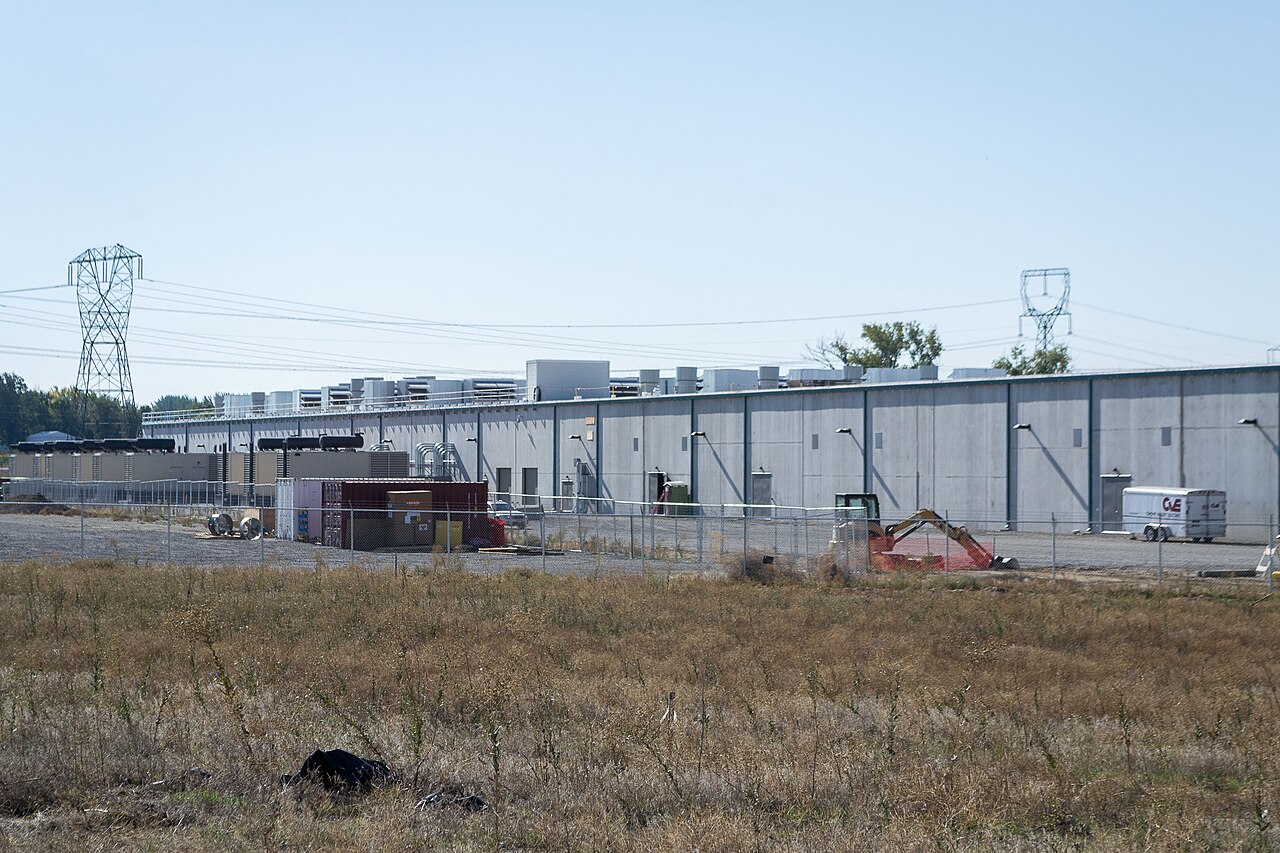
Amazon disclosed on Oct. 2, 2026 that it will allocate more than $1 billion over the next five years to communities that host its data‑center facilities. The funding will be directed toward locally identified priorities such as K‑12 education, vocational training, programs that lower household energy costs, water‑conservation initiatives and broader environmental stewardship. The company framed the pledge as a response to a wave of community backlash that has begun to affect its expansion plans in the United States, Europe and Asia.
Scope of the $1 billion pledge
According to the announcement, the $1 billion will be split among five focus areas: (1) education and workforce development, (2) energy‑affordability programs, (3) water‑supply protection and conservation, (4) broader environmental projects, and (5) community‑led resilience initiatives. Amazon said the allocation will be guided by local governments and community groups, ensuring that each project reflects the specific needs of the surrounding area. The company also noted that the plan will be rolled out gradually, with annual budgets reviewed in partnership with municipal authorities.
Technical safeguards promised
AWS chief executive Matt Garman added that the new program will be accompanied by three concrete technical commitments. First, Amazon will ensure that its data‑center projects do not increase local electricity rates, a concern that has surfaced in several U.S. jurisdictions. Second, the firm pledged not to deplete local water supplies, aligning with its broader goal of becoming water‑positive by 2030—a target it claims 75 % of existing projects already meet. Third, Amazon said it will stop using nondisclosure agreements for new site proposals, a move intended to increase transparency with affected residents.
Backdrop of growing opposition
The pledge comes as community resistance to data‑center construction has intensified. CNBC reported that opposition has already impacted roughly $77 billion of Amazon’s U.S. projects and $42 billion of its European initiatives. Between January and April 2026, more than 70 European projects were either rejected outright or subjected to restrictive conditions, reflecting heightened scrutiny from regulators and local activists. In South Korea, several municipalities are debating new rules that would require explicit resident consent and stricter safety assessments before any data‑center can be built.
Environmental advocacy group Stand.earth labeled Amazon’s $1 billion plan “inadequate” when measured against the company’s stated $220 billion data‑center investment for 2026. The group argued that the pledge does not address the core environmental impacts of large‑scale facilities, such as greenhouse‑gas emissions from massive power consumption and the risk of contaminating local water sources. Stand.earth warned that without deeper systemic changes, the new funding could be seen as a public‑relations effort rather than a substantive mitigation strategy.
Analysts now view the primary business risk for Amazon as shifting from reputational damage to concrete operational hurdles. Permitting delays, higher financing costs and the prospect of stranded pre‑construction spending have emerged as the most pressing concerns. In other words, the company may face longer approval timelines and increased interest expenses, which could erode the financial returns of new data‑center projects regardless of any community‑investment program.
Implications for stakeholders
For municipalities, investors and contractors that work with Amazon, the announcement signals a new baseline for community engagement. Local authorities are likely to demand detailed plans showing how the $1 billion will be spent and may tie project approvals to measurable outcomes in education, energy affordability and water stewardship. Financial institutions financing Amazon’s data‑center roll‑out will need to factor in the heightened risk of permitting setbacks, potentially adjusting loan covenants or requiring additional environmental guarantees.
- Conduct early, transparent consultations with residents to identify priority projects.
- Integrate water‑positive design standards into all new facility plans.
- Structure financing agreements to account for possible permitting delays and higher interest costs.
- Monitor and publicly report progress against the five focus areas to demonstrate compliance.
In summary, Amazon’s $1 billion community‑investment pledge marks a notable shift in its approach to data‑center expansion, but it arrives amid a broader wave of opposition that has already stalled billions of dollars in projects. Organizations operating near Amazon’s facilities will now need to align their strategies with the new funding framework, anticipate stricter permitting scrutiny and prepare for higher financing costs. The ultimate test will be whether the pledged resources translate into tangible local benefits and whether they can alleviate the regulatory and community pressures that have begun to constrain Amazon’s global data‑center growth.
Sources
- Amazon’s $1B plan to combat data center backlash draws more backlashArs Technica · October 2, 2026
- How U.S. data center backlash is spreading across Europe and AsiaCNBC · October 3, 2026