Microsoft unveils Maia 300 AI chip, targets 2027 rollout to cut Nvidia reliance
On October 12, 2026 Microsoft introduced its third‑generation Maia 300 accelerator, promising a 40% boost in AI throughput per watt and a 2027 mass deployment to become the primary inference engine across its cloud and productivity services.
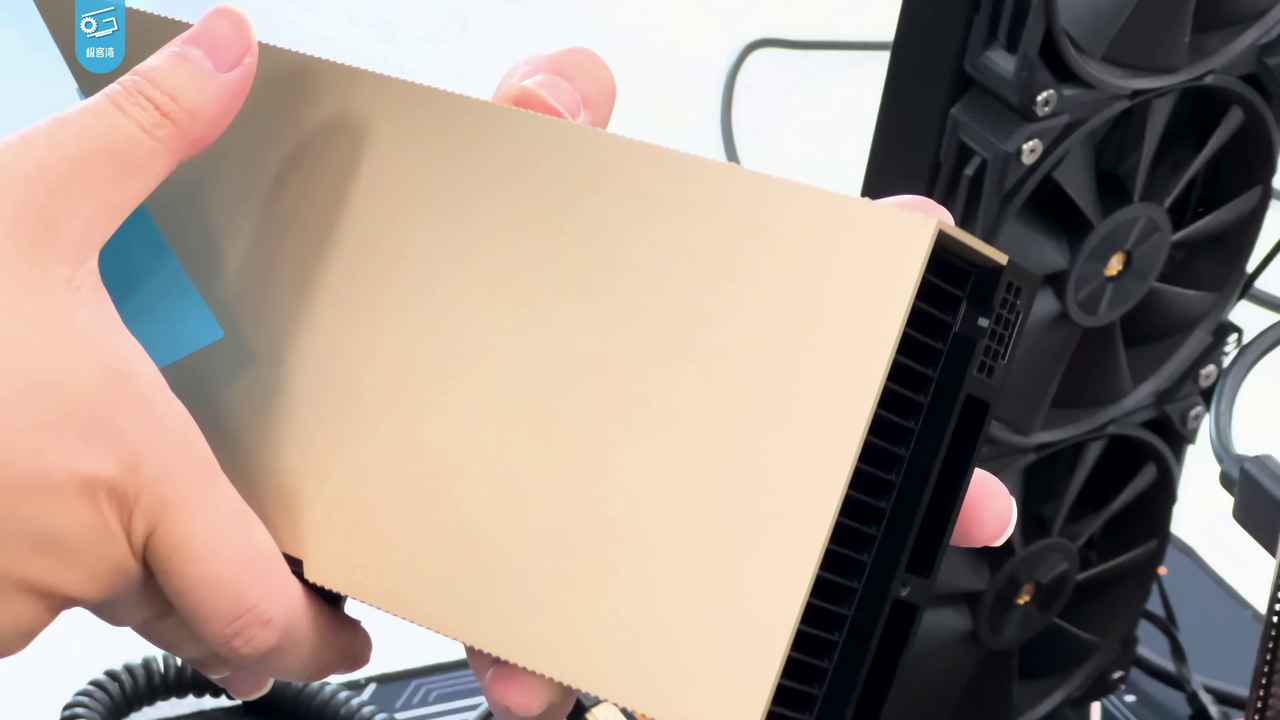
Microsoft announced the Maia 300 on October 12, 2026, positioning it as the third generation of its internally designed AI acceleration silicon. The company said the chip will be rolled out at scale beginning in 2027, marking a strategic shift aimed at reducing dependence on Nvidia‑based GPUs.
CEO Satya Nadella described the Maia 300 as the "biggest bet yet on our own silicon" in a post on X, underscoring the importance of owning the hardware stack for future AI workloads.
Technical specifications and performance claims
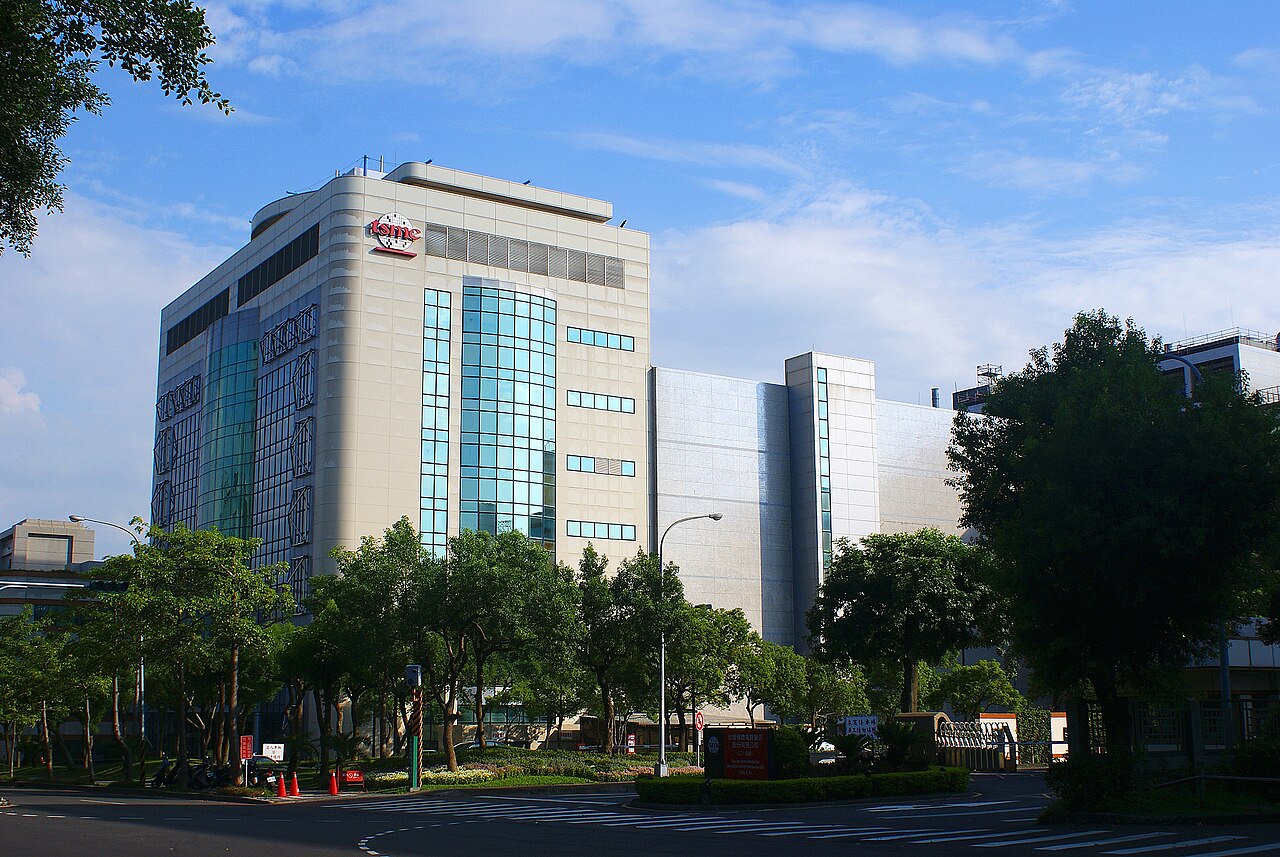
The Maia 300 integrates eight HBM4 memory stacks delivering a combined bandwidth of 18.0 TB/s while operating at a thermal design power of 950 W. Its multi‑chiplet architecture uses compute chiplets fabricated on TSMC’s N2P process, allowing Microsoft to pack more tensor cores into a single accelerator.
Microsoft says the chip provides 40% more AI output for the same energy consumption compared with GPU solutions that dominate the market, primarily those from Nvidia. This efficiency claim is based on internal benchmarking of the Maia 300 against comparable Nvidia GPUs.
In a 96‑accelerator rack configuration, a Maia 300 rack can deliver up to seven times the token throughput of a rack built with the previous‑generation Maia 200, according to the company’s technical brief.
Design of the dataflow network
The chip’s internal network is treated as an extension of its dataflow architecture, featuring high‑bandwidth interconnects optimized for tensor parallelism. Microsoft also highlighted a dedicated AI transport layer over Ethernet to reduce latency across chiplets.
Strategic positioning within Microsoft’s AI ecosystem
Scott Guthrie, executive vice‑president of Cloud + AI, stated that the Maia 300 will become the "primary AI inference system for Microsoft products and services" and called it a "complete intelligent system" designed for long‑context tasks and multi‑step agents.
The chip is intended to power a range of services, from Azure AI workloads to Microsoft 365 Copilot, GitHub Copilot and the internal Microsoft Foundry platform, extending the role already played by the Maia 200.
- 10% of Microsoft’s AI chip spend projected for the first half of 2027 (Evercore ISI estimate)
- 40% higher AI output per watt versus Nvidia‑dominated GPUs
- Seven‑fold token throughput increase over Maia 200 in a 96‑accelerator rack
- Eight HBM4 stacks providing 18.0 TB/s bandwidth at 950 W TDP
The Maia 200, the predecessor, already powers Microsoft 365 Copilot, GitHub Copilot and Microsoft Foundry and is deployed in data centers across the United States, Europe and Australia. The new Maia 300 builds on that footprint, promising to replace Nvidia GPUs in many of the same workloads.
For English‑speaking enterprises, the rollout of Maia 300 means access to a more energy‑efficient inference platform that Microsoft controls end‑to‑end. Organizations can expect lower operating costs for large‑scale AI services, reduced latency for multi‑step agents, and a tighter integration with Azure’s software stack, potentially simplifying procurement and support compared with third‑party GPU vendors.
Roadmap and production timeline
Microsoft indicated that TSMC will begin volume production of the N2P‑based chiplets in the second quarter of 2027, with first‑tier Azure regions receiving the hardware by Q4 2027. Subsequent waves will target secondary regions and on‑premises Azure Stack deployments through 2028.
Competitive landscape
Analysts note that the Maia 300’s claimed 40% efficiency gain puts it in a competitive bracket with Nvidia’s H100 and upcoming Hopper‑successor GPUs, though the latter still dominate the high‑performance training market. Microsoft’s focus on inference aligns with its broader strategy to internalize the supply chain for services that generate recurring revenue.
In the Pacific Northwest, where Microsoft’s primary Azure data centers reside, the Maia 300 rollout is expected to reduce regional power draw by an estimated 15 MW, supporting the company’s sustainability commitments while delivering faster AI responses to local customers.
Sources
- Microsoft makes ‘biggest bet yet’ on its own silicon, unveils new AI chip to reduce reliance on Nvidia – GeekWiregeekwire.com · October 12, 2026
- Microsoft Announces Maia 300 AI Chip, Multi-Gigawatt Azure Scale-Up – Unite.AIunite.ai · October 12, 2026