Barret Zoph leaves OpenAI for Google after Thinking Machines exit
Thinking Machines co-founder Barret Zoph has landed at Google as vice president of research after just five months back at OpenAI, the latest twist in a turbulent 18-month run through three of AI's biggest labs.
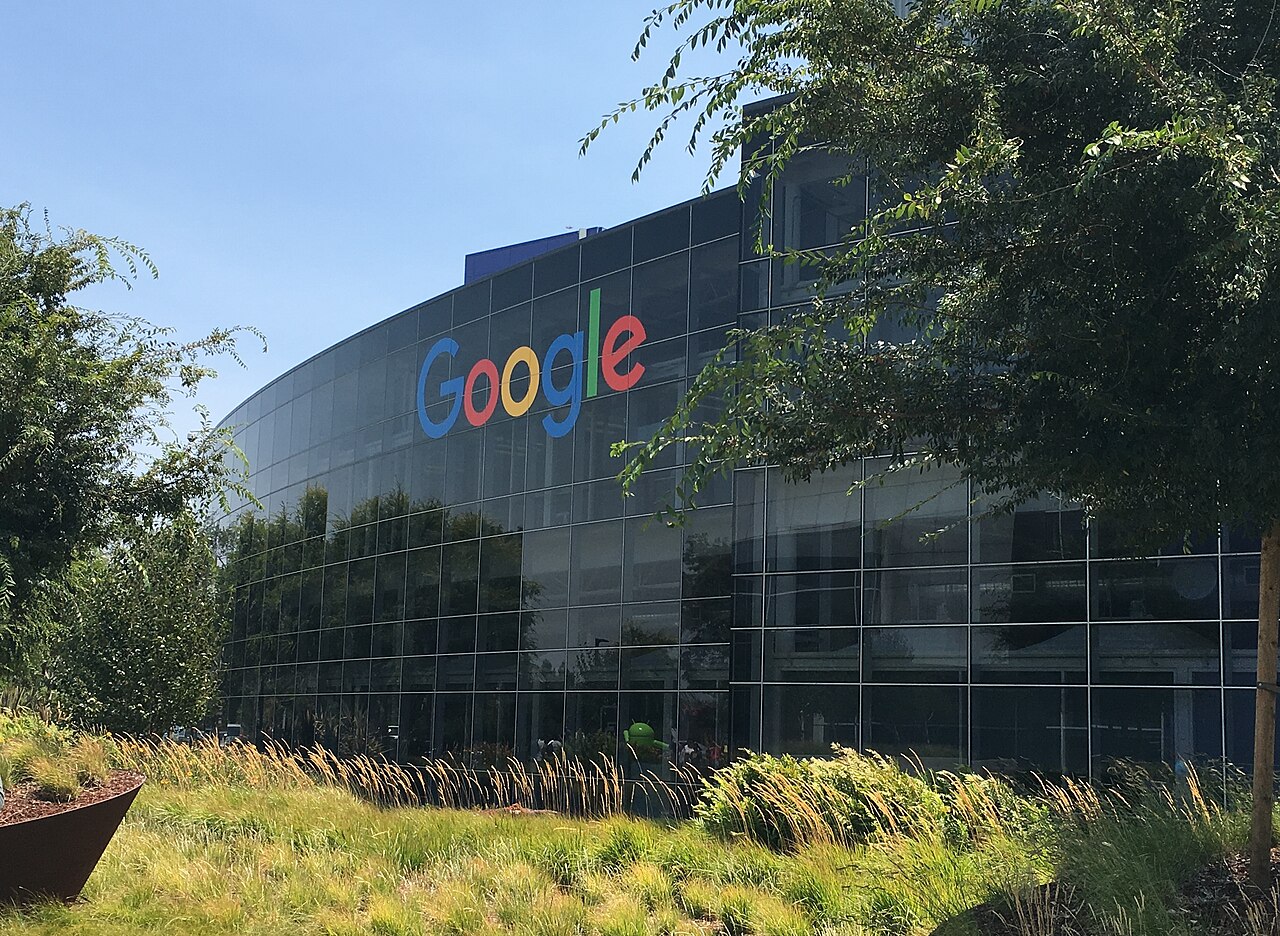
The game of musical chairs for AI executives keeps going. Barret Zoph, who left OpenAI to co-found Thinking Machines Lab with Mira Murati, is now joining Google as vice president of research. "We look forward to Barret returning to Google and bringing his RL and post-training expertise to Gemini," a Google spokesperson told the Wall Street Journal.
Zoph announced the move himself on X: "Excited to announce I am joining Google DeepMind! I started my AI career in the Google Brain Residency class and am excited to rejoin. I am going to be working on RL and Post-Training – excited to announce more soon. Google has all the ingredients to continue to be incredibly successful in the AI space and am excited to be part of that mission."
A turbulent eighteen months
For Zoph, Google is less a new chapter than a return to where he started. He began his career in the Google Brain Residency program in 2016, working on AutoML and neural architecture search, and stayed on through Google Brain's merger into Google DeepMind. He left in 2022 to join OpenAI as vice president of research for post-training, where his team worked on alignment, tool use, evaluations and the models that ultimately shipped inside ChatGPT.
In September 2024, he left OpenAI alongside Murati, who had just stepped down as CTO, and became co-founder and chief technology officer of her new venture, Thinking Machines Lab. The startup raised roughly $2 billion from Andreessen Horowitz and others, reportedly reaching a valuation near $10 billion within months. That arrangement fell apart in January 2026, when Murati announced she had parted ways with Zoph and named PyTorch co-creator Soumith Chintala as the new CTO. Within an hour, OpenAI's Fidji Simo confirmed that Zoph, along with fellow Thinking Machines co-founders Luke Metz and Sam Schoenholz, would be returning to OpenAI. It later emerged that Zoph had in fact been fired from Thinking Machines; the Wall Street Journal reported that an undisclosed workplace relationship had factored into his exit, though neither he nor the startup has offered a detailed public account.
Excited to announce I am joining Google DeepMind! I started my AI career in the Google Brain Residency class and am excited to rejoin.
Five months at OpenAI, then a second exit
Back at OpenAI, Zoph didn't return to research. He was instead handed a very different mandate: leading the company's push into enterprise AI sales, a role framed as central to closing the commercial gap with rivals ahead of an anticipated IPO. That stint lasted five months. By June 2026, Zoph had exited OpenAI for a second time, posting a goodbye note to staff on Slack — and Google, evidently, had been waiting.
- October 2025: co-founder Andrew Tulloch leaves Thinking Machines for Meta, reportedly after first turning down and later accepting a nine-figure pay package.
- January 2026: Zoph and Luke Metz return to OpenAI from Thinking Machines.
- July 2026: co-founder Lilian Weng, the startup's former VP of AI safety, announces her departure, citing health problems worsened by the pace of startup life.
- August 2026: Zoph leaves OpenAI a second time and joins Google as vice president of research.
A thinning founding team, but a product roadmap that keeps shipping
Thinking Machines was founded in February 2025 with six co-founders, and that group has been shrinking almost since day one. With Zoph's departure, Murati is effectively the last of the original founders still standing — a contrast the industry has noted against Anthropic, which has kept its entire founding bench together. Even so, the company hasn't stopped shipping: it released Tinker, its fine-tuning platform, launched a research preview of real-time "interaction models" that process audio and video natively, and in July put out Inkling, a 975-billion-parameter open-weights model that quickly topped rankings for US-built open models.
Zoph's move also fits a pattern of Google DeepMind aggressively pulling talent back into the fold this year, even as it has lost some of its own. Weeks before his announcement, Noam Shazeer, co-author of the original transformer paper and a DeepMind veteran Google paid over $2 billion to reacquire via Character.ai, left for OpenAI. John Jumper, who shared the 2024 Nobel Prize in Chemistry for his work on AlphaFold, announced around the same time that he was headed to Anthropic. Set against that backdrop, bringing back a researcher with deep roots in Google's own Brain Residency lineage reads as a deliberate move to plug a gap at the top of its research bench — and OpenAI itself has seen a wave of senior departures over the past eight months, from its COO to one of its top data center executives. For American AI companies competing for the same small pool of frontier researchers, Zoph's 18-month odyssey through three labs is a reminder of just how fluid loyalty has become at the top of the field.
Sources
- Barret Zoph, the Thinking Machines co-founder ousted before joining OpenAI, is now at GoogleTechCrunch · August 27, 2026
- Thinking Machines Co-founder Barrett Zoph Leaves OpenAI To Join GoogleOfficeChai · August 27, 2026