Judge orders OpenAI to provide Apple hiring records
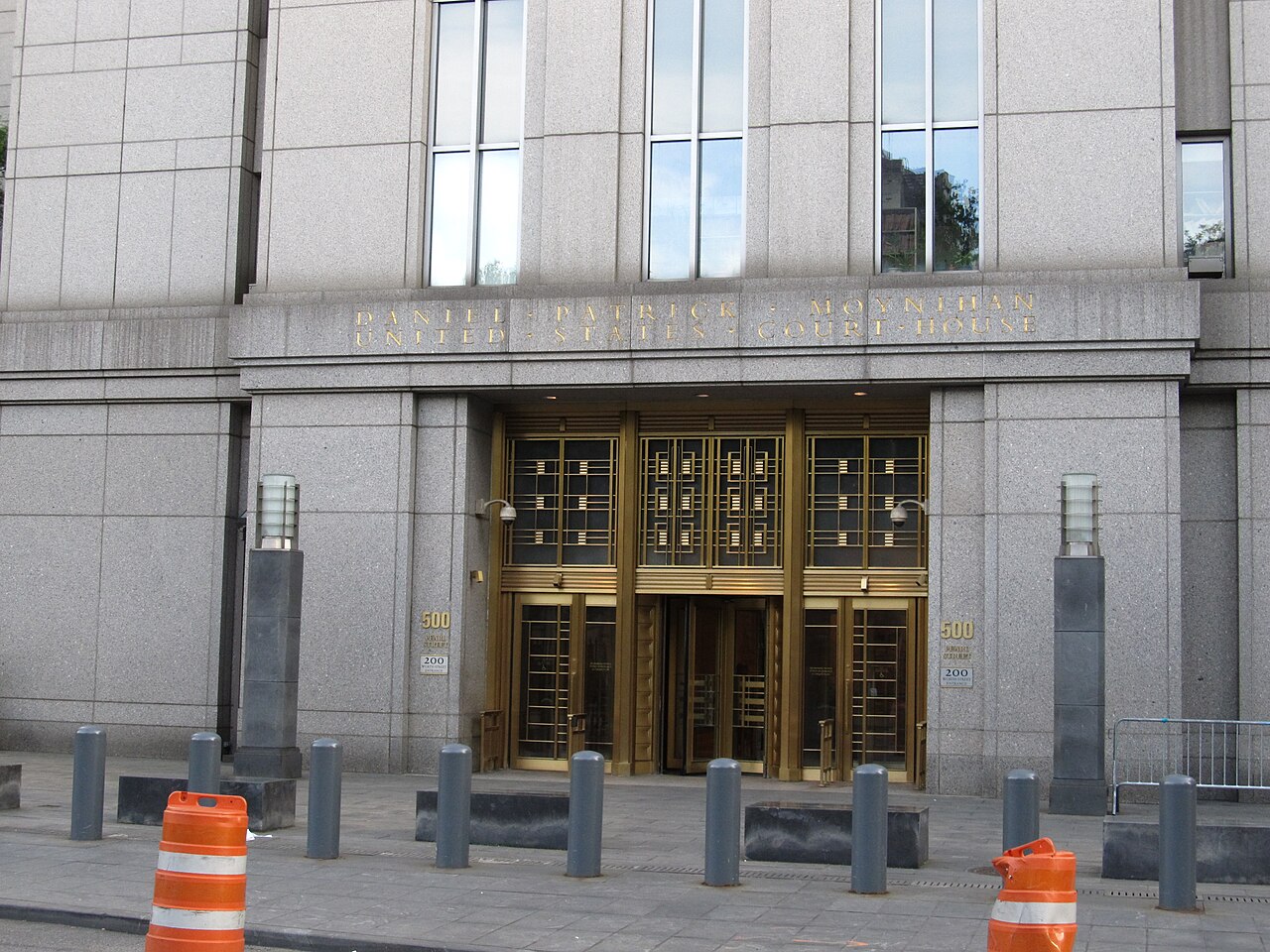
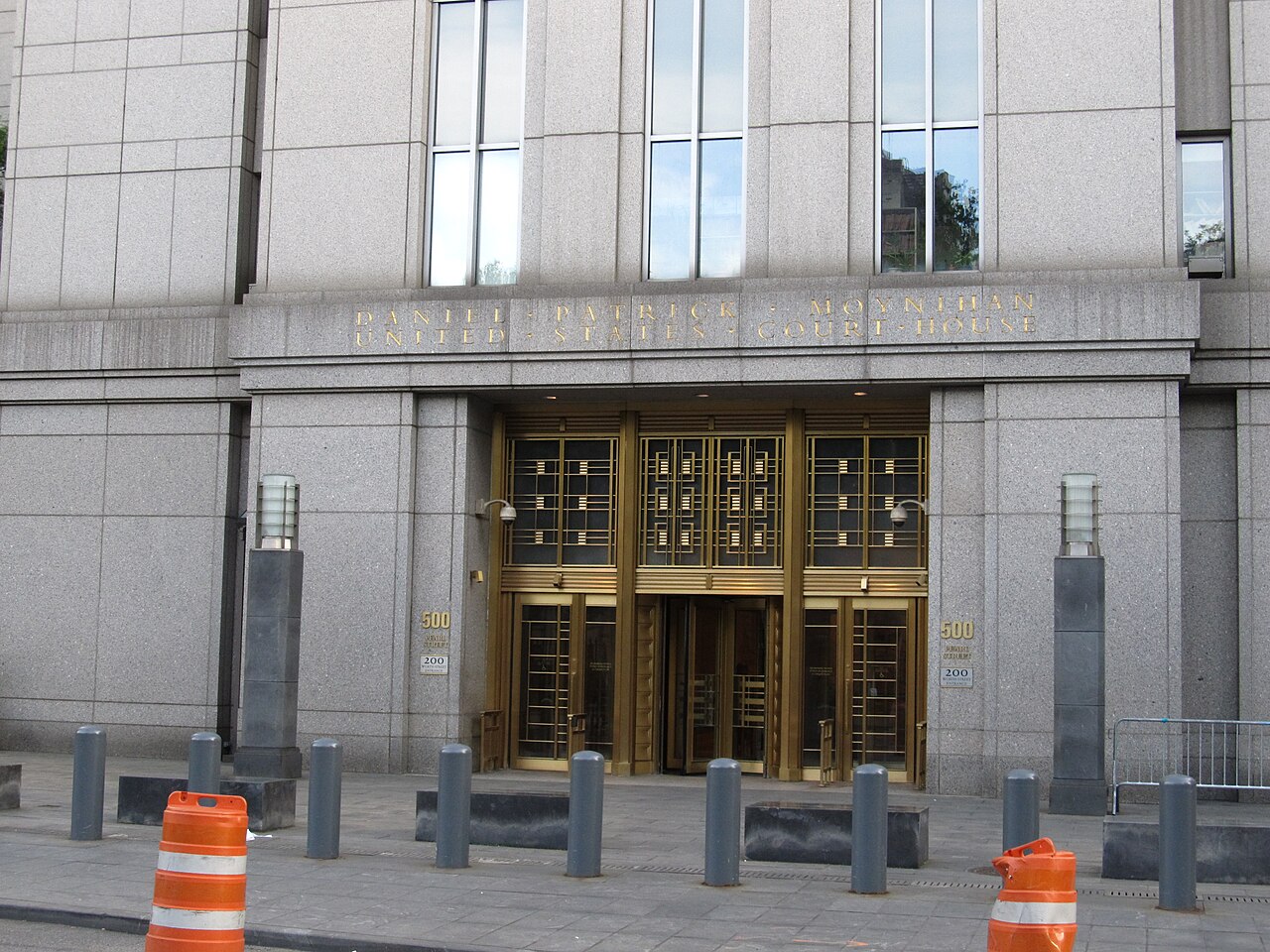
A federal judge has ordered OpenAI to quickly provide Apple with hiring records, private messages and testimony in their trade-secret dispute.

A key procedural ruling
A federal judge has granted Apple expedited access to part of OpenAI’s hiring-related material in the trade-secrets lawsuit Apple filed in July 2026. The order does not decide whether trade secrets were taken, used or shared. It instead governs an early stage of evidence gathering, giving Apple access to specific documents and communications before the case reaches a final ruling.
The dispute concerns former Apple employees who applied for roles at OpenAI, particularly within consumer hardware and robotics teams. According to the reporting, Apple argues that confidential information connected to unannounced technologies, products and engineering work may have been improperly obtained or used during recruitment and subsequent work at OpenAI.
Deadlines imposed on OpenAI
U.S. District Judge Edward Davila ordered OpenAI to produce materials already collected within five days. The company has 14 days to provide other documents covered by the request. The judge agreed with Apple that this defined set of materials should be handled on an accelerated timetable.
The decision gives Apple earlier access to evidence than it would ordinarily receive during the regular discovery process. It is nevertheless a partial decision: the judge did not approve every category of information Apple requested, and several broader demands were denied or left open for a narrower future request.
The ruling concerns procedure rather than liability. Apple’s allegations remain allegations in a pending civil case, while OpenAI disputes them. All individuals and organizations involved are entitled to the presumption of innocence, and no court has yet concluded that trade secrets were misappropriated.
Interviews and technical materials
Apple will be allowed to review documents connected to interviews of former Apple employees who sought jobs at OpenAI. The materials may include interview checklists, guides, instructions, manuals and scripts. They may also include technical presentations and records showing whether interview discussions referred to Apple technologies or components.
According to Apple’s claims, the recruitment process may have been used to obtain information about confidential projects. Apple has alleged that some former employees downloaded confidential materials using Apple laptops and handled files containing technical specifications, engineering presentations and proprietary project data linked to unannounced technologies, features and products.
Apple has also alleged that former Apple employees working at OpenAI coached other potential recruits on what information to bring to interviews. Those claims have not been established by a final judicial decision. The authorized production of records is intended to help the parties test the facts behind them.
Messages, devices and testimony
Judge Davila also authorized access to private LINE messages involving people named in the case, including OpenAI employees Chang Liu and Alyssa Peng. The reported order additionally covers forensic images of devices that had already been collected in connection with the allegations.
The judge approved expedited depositions of Liu, Peng and Tang Yew Tan, OpenAI’s chief hardware officer. All three are former Apple employees. Depositions may allow lawyers to question witnesses under oath about recruitment, interviews, documents and the circumstances surrounding any alleged circulation of confidential information.
The reported materials point to several categories of evidence that may now become available to Apple:
- Interview checklists, guides, manuals, instructions and scripts.
- Technical presentations and records of interview discussions.
- Private LINE messages involving Chang Liu and Alyssa Peng.
- Forensic device images already collected in the case.
- Depositions of Liu, Peng and Tang Yew Tan.
Tang Yew Tan is a central figure in the dispute. According to Olhar Digital, he worked at Apple for 24 years and had been vice president of product design for the iPhone and Apple Watch before joining OpenAI. The same report says Chang Liu had worked at Apple for eight years as a senior electrical systems engineer.
Requests the court did not grant
The court declined to accelerate Apple’s access to OpenAI research-and-development materials in areas such as metal finishes, power management and battery operation for consumer devices. Those materials could still be sought through the regular discovery process, but they did not receive the same priority as recruitment records and specified communications.
Judge Davila also rejected several broader discovery requests, including demands for access to OpenAI hardware research and information about what former Apple employees created after joining OpenAI. The judge reportedly considered some of Apple’s formulations too broad or insufficiently specific, potentially placing an excessive burden on OpenAI.
That part of the ruling is not necessarily final. Apple may narrow and reformulate certain requests before asking the court to consider them again. The procedural outcome therefore gives Apple meaningful early access to targeted evidence while limiting the immediate scope of discovery into OpenAI’s wider hardware work.
Hardware ambitions at the center of the dispute
The litigation is unfolding as OpenAI develops consumer hardware that could eventually compete with smartphones or change how people interact with software and services. OpenAI’s physical-device ambitions became more visible after its 2025 announcement of a $6.5 billion acquisition of io, a startup linked to former Apple design chief Jony Ive.
Apple argues that protected know-how may have been incorporated into OpenAI’s hardware effort. OpenAI has contested the claims and described the lawsuit as unfounded. It has also argued that the case reflects Apple’s difficulties in competing for technology talent. Neither position amounts to a judicial finding at this stage.
A hearing is expected to address OpenAI’s request to dismiss the case and Apple’s request for an injunction against the alleged use of trade secrets. The documents and testimony authorized now may enlarge the evidence available before those issues are resolved, but they cannot by themselves determine the case’s outcome.
What the ruling means for organizations
For companies and organizations operating in English-speaking markets, the order is a reminder that recruitment between competitors can trigger urgent document-preservation and disclosure disputes. Hiring teams should distinguish legitimate expertise carried by employees from confidential material belonging to a former employer. Clear interview practices, controlled access to technical files, documented device returns and carefully managed internal messaging can become important evidence if a trade-secrets claim reaches court.
Sources
- Judge orders OpenAI to turn over hiring records in Apple trade secrets caseTechCrunch AI · October 13, 2026
- Justiça obriga OpenAI a entregar documentos de contratação em processo da AppleOlhar Digital · October 14, 2026