Four Subscribers Sue Anthropic, OpenAI, SpaceXAI and Google Over Alleged AI Slowdown Cartel
Four paying users filed a federal complaint on September 18, 2026, alleging that Anthropic, OpenAI, SpaceXAI and Google coordinated a slowdown of AI development, breaching U.S. antitrust law.
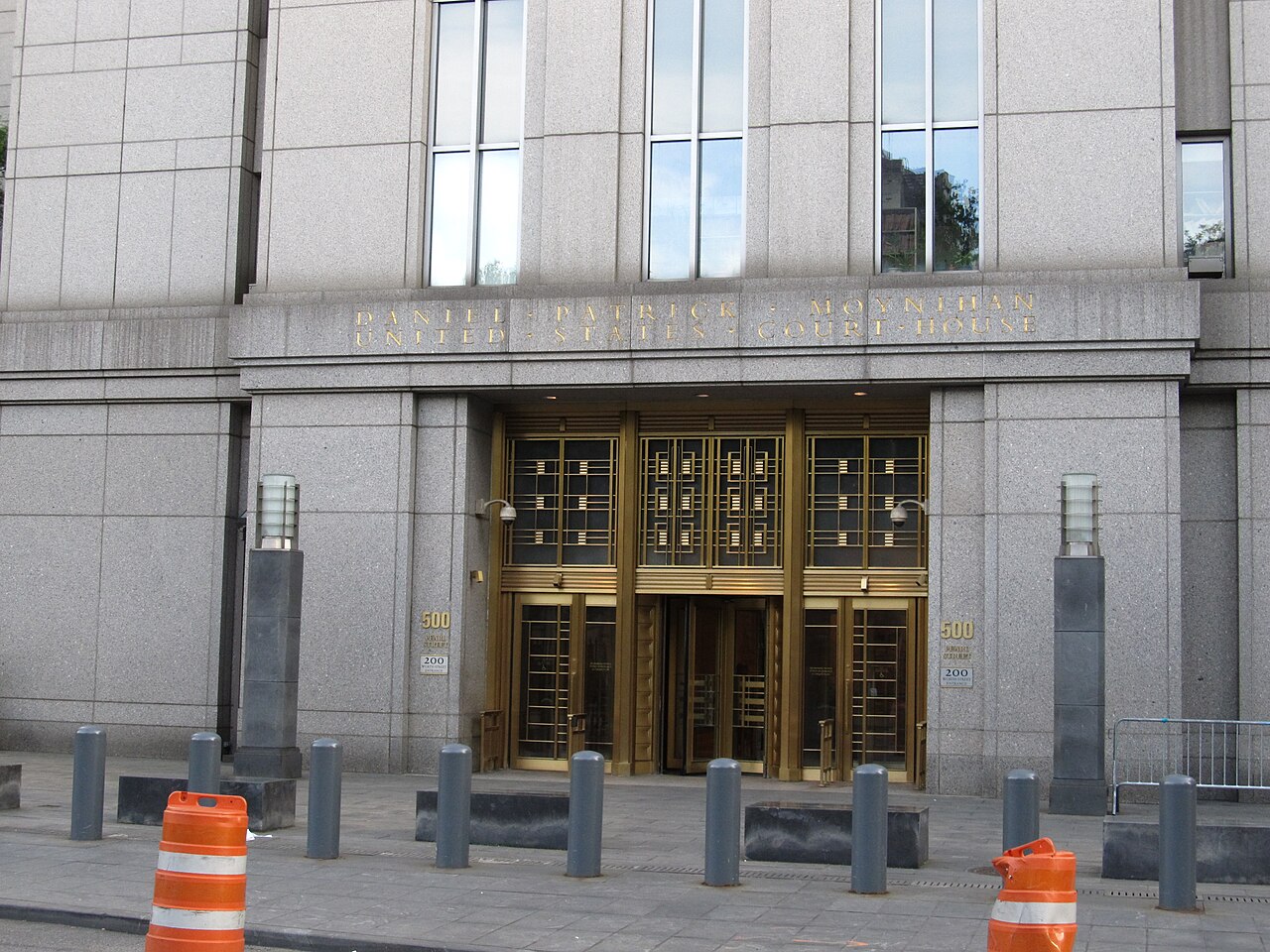
On September 18, 2026, four paying subscribers filed a federal complaint in the United States District Court for the Northern District of California, alleging that four of the most prominent artificial‑intelligence firms—Anthropic, OpenAI, SpaceXAI and Google—had conspired to deliberately decelerate the pace of AI development across the industry.
The plaintiffs assert that this alleged collusion violates U.S. antitrust statutes because it restricts competition among the providers of the flagship large‑language‑model services known respectively as Claude, ChatGPT, Grok and Gemini, which power a wide range of commercial and consumer applications.
Legal framing of the complaint
In the complaint, the four subscribers seek to represent a nationwide class of users who pay for access to any of the four services, arguing that the coordinated slowdown deprives consumers of newer, more capable AI features and forces them to remain locked into older, less efficient versions of the technology.
While the suit does not dispute that each company retains the right to independently decide its own development timeline or to request guidance from government regulators, it alleges that the firms replaced individual discretion with a private, collective restriction that amounts to an illegal agreement under antitrust law.
Public statements that form the basis of the allegation
The plaintiffs rely heavily on a series of public exchanges that took place on September 12, 2026, after Anthropic co‑founder Dario Amodei posted a message on a professional networking site urging the entire sector to cooperate on AI safety and to consider a narrow exemption that would allow coordinated action under government oversight.
Amodei’s post emphasized the need for a temporary, government‑mediated discussion to address safety concerns, and the plaintiffs cite this as evidence that the four companies shared a common intent to align their development schedules in order to manage perceived risks.
What the companies have said—or not said
When contacted by CNN and Olhar Digital for comment on the filing, representatives of Anthropic, OpenAI, SpaceXAI and Google all declined to provide remarks, leaving their official positions on the specific allegations unrecorded in the public domain.
Although the defendants have not publicly denied the existence of any informal dialogue among them, they have repeatedly stressed that any collaboration on safety would be conducted within the bounds of existing regulatory frameworks and would not constitute a breach of competition law.
- Anthropic
- OpenAI
- SpaceXAI
It is important to note that the accusations remain allegations made by the plaintiffs; no court has yet found an illegal agreement or rendered a judgment on the merits of the case.
If the lawsuit proceeds to trial and results in a finding that the four firms formed an unlawful cartel, the immediate legal consequence could be a court‑ordered injunction barring any coordinated slowdown of AI development, accompanied by potentially substantial damages payable to the class of subscribers.
For English‑speaking organizations that rely on these AI platforms for tasks ranging from customer support automation to data analysis, the case could introduce heightened uncertainty around product roadmaps, pricing structures and the timing of feature releases.
Such uncertainty may prompt businesses to diversify their AI provider portfolios, negotiate explicit service‑level agreements that address regulatory risk, or even explore in‑house model development to mitigate reliance on the contested services.
Potential broader implications for the AI industry
Legal scholars warn that a precedent confirming antitrust liability for coordinated safety efforts could chill future collaboration on responsible AI governance, making it more difficult for companies to jointly address ethical and safety challenges.
Conversely, consumer advocacy groups argue that robust competition is essential to ensure rapid innovation and that any artificial slowdown harms the public interest by delaying access to more capable and efficient AI tools.
Next steps in the litigation
The defendants are expected to file a motion to dismiss the complaint on the grounds that the plaintiffs have not demonstrated a concrete agreement or sufficient market impact, a common early‑stage defense in antitrust cases.
The court is slated to hold a preliminary hearing in November 2026, during which the judge will decide whether the case can proceed to discovery and potentially to a full trial later in 2027.
Regardless of the outcome, the lawsuit underscores the growing tension between rapid AI advancement and the regulatory frameworks that aim to ensure safety without stifling competition.
Pour les organisations francophones qui utilisent ces services d’IA, le suivi de cette affaire pourra influencer leurs décisions d’achat, notamment en les incitant à surveiller de près les évolutions juridiques aux États‑Unis et à envisager des alternatives locales ou open‑source afin de réduire les risques liés à d’éventuelles injonctions ou sanctions.
Sources
- Lawsuit says Anthropic, OpenAI, SpaceXAI and Google made illegal agreement on AI slowdownCNN · September 19, 2026
- Anthropic, OpenAI, SpaceXAI e Google são acusadas de acordo ilegalOlhar Digital · September 19, 2026