Tesla's Cybercab grows to 169 authorized cars after a rocky first month in Austin
One month after its September 3 commercial launch in Austin, Tesla’s driverless Cybercab fleet rose to 169 authorized vehicles, up from 45, amid rider complaints and a NHTSA audit query.
Austin, Texas – On October 4, 2026, Tesla announced that its Cybercab service in Austin has expanded to 169 vehicles authorized for commercial operation, a significant increase from the 45 units cleared at the service’s commercial debut on September 3. The growth comes after a turbulent first month in which riders and officials raised a series of operational and safety questions. The figures are drawn from Texas public records and were first reported by CNBC, which has been tracking the rollout of the two‑seat, fully driverless taxis. Tesla views the Austin deployment as a testbed for a national robotaxi network, but it has not disclosed revenue or utilization metrics for the Cybercab fleet.
Authorizations climb after a rocky start
According to the same Texas public‑record filings cited by CNBC, the authorized count rose from 45 at launch to 169 by early October, representing a 275 percent increase in just four weeks. The filings list each vehicle’s identification number and the date it received permission to carry passengers for hire. Tesla has not released an official press statement confirming the exact timeline of each authorization, but the public database confirms that the additional 124 units were added incrementally throughout September. The rapid expansion suggests that the company is meeting the state’s baseline safety and insurance requirements for each new Cybercab. The state’s Department of Motor Vehicles processes each authorization after a safety audit, which includes a review of the vehicle’s software version and sensor suite.
How the Cybercab differs from traditional taxis
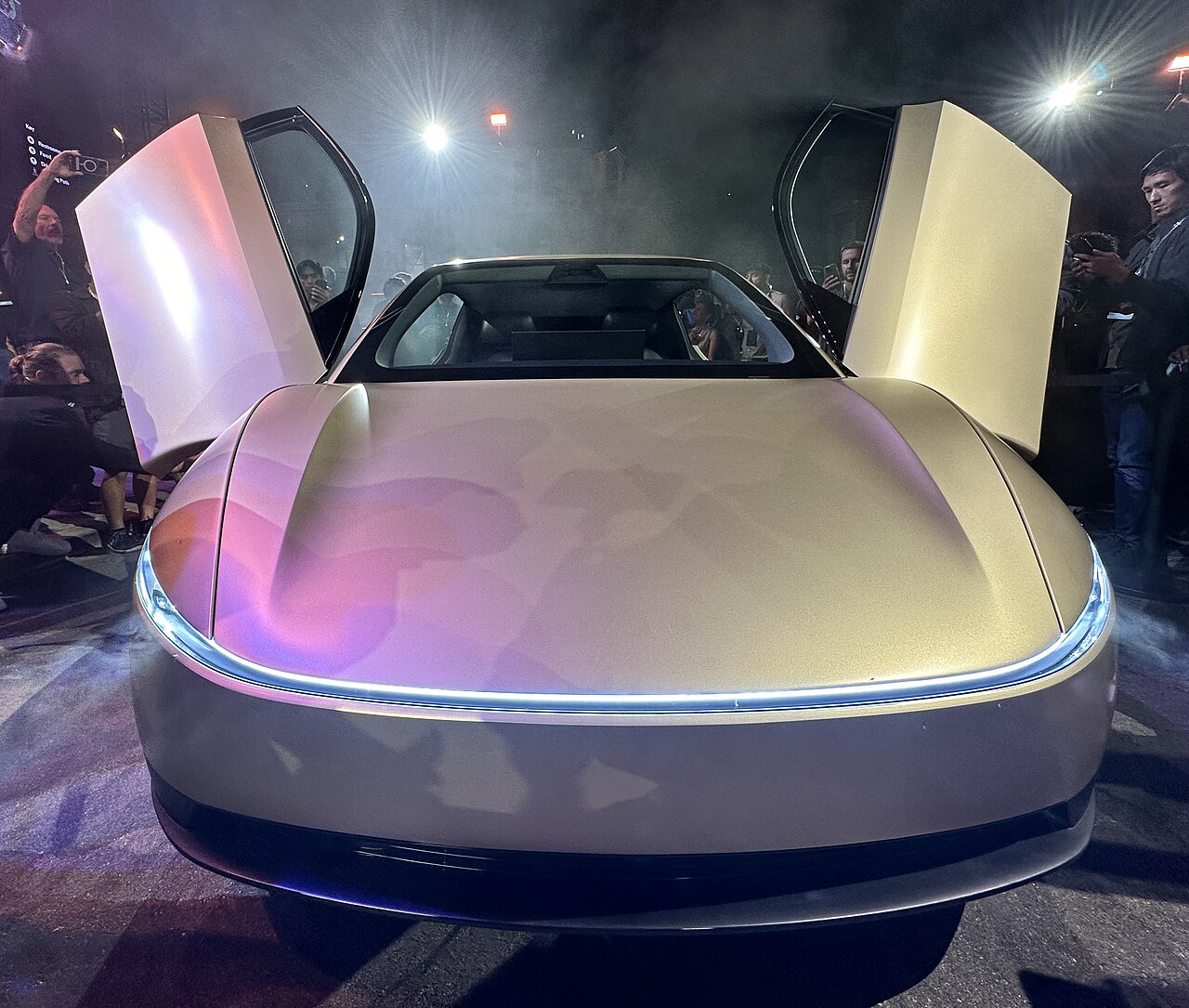
The Cybercab is a purpose‑built, two‑seat electric vehicle that omits every manual control traditionally found in a car. It has no steering wheel, accelerator or brake pedals, no side‑view mirrors, and even lacks exterior door handles; passengers enter through a roof‑mounted hatch that opens automatically when the vehicle arrives. Tesla says the vehicle relies on a suite of cameras, radar and lidar‑derived sensors, combined with its proprietary Full Self‑Driving (FSD) computer, to navigate city streets, obey traffic signals and execute precise pick‑up and drop‑off maneuvers without human intervention. The design philosophy is intended to maximize interior space and reduce mechanical complexity, but it also removes any immediate manual override for occupants.
Rider reports highlight operational glitches
Riders who have used the service during its first month have described a mixed experience. Several customers reported waiting far longer than the advertised five‑minute window, with some trips delayed by 15 to 20 minutes during peak traffic. Others said the vehicle arrived at the wrong address or dropped them off a block away from their intended destination, requiring a walk to the final point. A handful of users also complained about door or trunk mechanisms that failed to open on the first attempt, forcing them to wait for a remote reset. Despite these inconveniences, no significant collision involving a Cybercab has been reported to local authorities or to the National Highway Traffic Safety Administration (NHTSA) as of the end of September.
Regulators, competitors and public sentiment
Regulators have taken note of the mixed performance. In early September, NHTSA issued audit query AQ26002 to Tesla, asking for detailed answers to safety‑related questions about the Cybercab’s sensor redundancy, emergency‑stop procedures and data‑recording practices. The agency subsequently extended Tesla’s deadline to respond, signaling that the investigation remains open. By contrast, Waymo, the industry’s most widely deployed autonomous‑vehicle operator, already has 1,154 autonomous cars authorized in Texas and reports more than 500,000 paid rides weekly across the United States, according to its public disclosures. A survey cited by CNBC also found that half of U.S. respondents feel uncomfortable riding in a robotaxi that lacks any manual controls, underscoring lingering public skepticism.
- Significant long wait times
- Frequent incorrect pick‑up or drop‑off locations
- Intermittent door or trunk actuation failures
- No reported collisions to date
All of the data described above represent early‑market observations rather than a definitive safety verdict. The public‑record counts confirm only that the vehicles have received state authorization; they do not measure actual miles driven, passenger‑kilometers or incident rates. Rider complaints, while numerous, are largely anecdotal and have not been corroborated by independent safety audits. Moreover, the absence of any reported collisions does not prove that the system is collision‑free, especially given the limited sample size of a few hundred rides in a single city. Analysts therefore caution that conclusions about the Cybercab’s overall safety and reliability must await a larger dataset and the outcome of NHTSA’s pending audit.
The immediate implication for Tesla is a need to address the operational glitches that riders have flagged while simultaneously satisfying the regulatory audit. Fixes may include software updates to improve pick‑up routing, enhancements to door‑actuation logic and clearer on‑board notifications for passengers awaiting entry. From a market perspective, the contrast with Waymo’s mature fleet highlights the competitive pressure on Tesla to scale not only the number of authorized vehicles but also the reliability of each ride. Public discomfort, as reflected in the CNBC‑cited survey, could also influence city officials when deciding whether to grant additional authorizations or to impose stricter performance benchmarks.
Going forward, Tesla says it will file its responses to NHTSA’s audit query within the extended deadline and will roll out a series of over‑the‑air updates aimed at reducing wait times and fixing door‑operation bugs. The company also plans to publish monthly performance dashboards that detail ride counts, average trip duration and any safety‑related incidents, a move intended to increase transparency and rebuild rider confidence. If the updates prove effective and the NHTSA audit concludes without major findings, Tesla could seek further authorizations in other Texas cities and potentially accelerate its national robotaxi rollout. The company hopes the measures will also satisfy city regulators and pave the way for broader deployment.
Sources
- Tesla Cybercab pressure to expand after rocky first month in AustinCNBC · October 3, 2026
- NHTSA audit query AQ26002NHTSA · September 4, 2026