EU Kids Act to Ban Personal Social Media Accounts for Under‑15s and Tighten AI Safety Rules
The European Commission has outlined a draft EU Kids Act that would prohibit children under 15 from holding personal social‑media accounts, limit access for those aged 13‑14 to parental mini‑accounts, and introduce new safety requirements for AI chatbots, video platforms and online games.
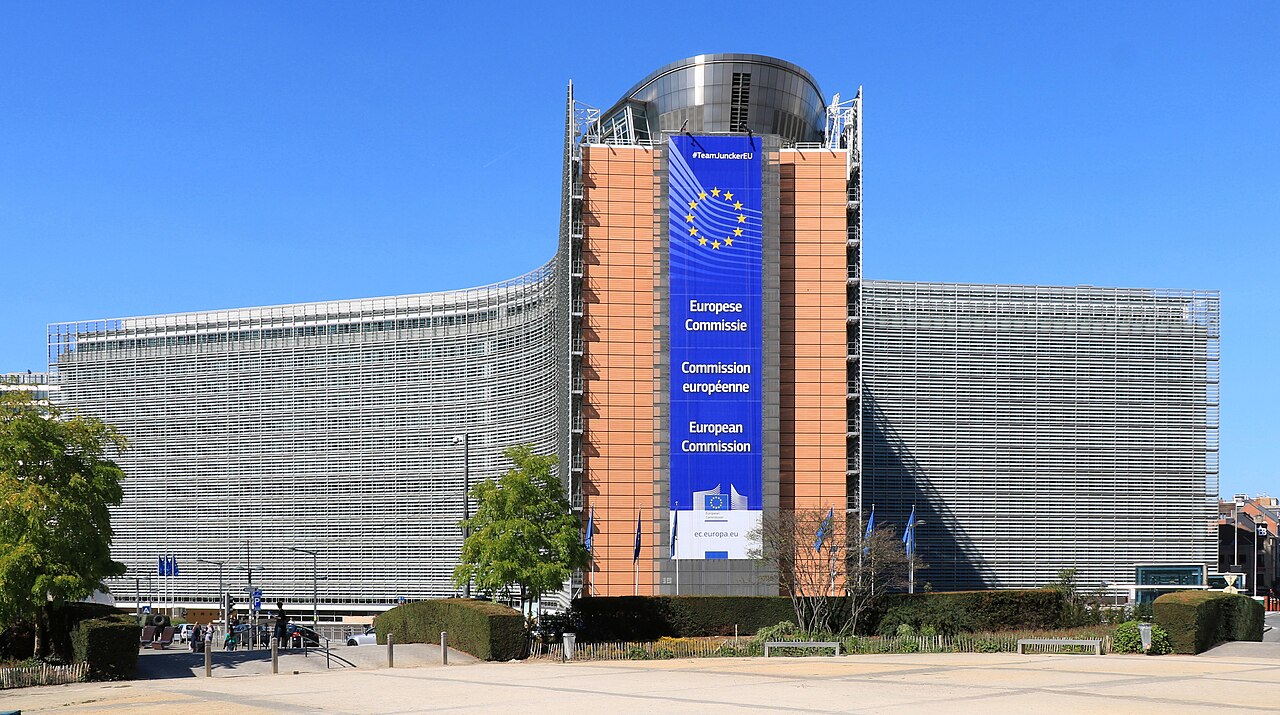
On 14 September 2026 the European Commission announced that a draft EU Kids Act will be presented to the European Parliament by President Ursula von der Leyen together with rapporteur Henna Virkkunen. The proposal is slated for a written‑procedure vote and will be formally introduced on 17 September, which means that at this stage it remains a legislative draft rather than a binding law. The Commission emphasised that the text is intended to start a dialogue with national authorities, civil society and the digital industry before any final adoption.
The heart of the draft centres on age‑based restrictions for digital services that are aimed at children. Under the new rules, personal accounts on any social‑media network would be prohibited for anyone younger than 15. Moreover, access to social‑media or video‑sharing platforms would be blocked completely before the age of 13. For the narrow band between 13 and just under 15, the legislation would only allow “mini‑accounts” that must be created and supervised by a parent or legal guardian. These mini‑accounts would offer a stripped‑down set of features and would be subject to strict daily time limits.
Beyond the age thresholds, the Act introduces a series of safety obligations aimed at AI‑driven services. Chatbots, virtual companions and AI‑enhanced video games would be required to embed safeguards that curb addictive design patterns. The draft specifically calls out mechanisms such as infinite scrolling, artificial notification loops and reward systems that are engineered to keep children glued to the screen for extended periods.
Key safety measures outlined in the draft
- Mandatory age verification before granting access to any child‑focused feature or content.
- Restriction of private messaging and contact requests to known, verified connections only.
- Prohibition of algorithmic content that exploits vulnerability, for example endless recommendation loops.
- Obligation for large platforms covered by the Digital Services Act to obtain Commission authorisation for any child‑targeted function that could affect safety.
The proposal deliberately leaves out systems that are used in education, public administration, corporate environments and industrial settings, concentrating instead on consumer‑facing services. The Commission repeatedly stresses that the aim is to protect minors without stifling technological innovation. Compliance would be monitored through a hybrid approach that combines self‑assessment by the platforms with periodic third‑party audits to verify that the safeguards are effectively implemented.
Enforcement and penalties
If the Act is adopted, operators of social‑media networks, video‑sharing sites and online game portals would be required to demonstrate how they verify users’ ages, enforce parental‑control tools and limit the use of addictive design elements. The European Commission would retain the power to request detailed evidence of compliance and could impose fines that mirror those established under the Digital Services Act for breaches of the new child‑safety rules.
Impact on the digital industry
Industry observers warn that the draft could force a reshaping of business models for the biggest social‑media giants, video‑sharing services and game developers. Companies would need to redesign onboarding flows to include robust parental‑control mechanisms, integrate reliable age‑verification technologies and possibly renegotiate advertising strategies that currently rely on younger audiences. The need to obtain prior authorisation for child‑targeted features could also slow down product launches and increase development costs.
For organisations operating across the EU, the upcoming EU Kids Act will require close coordination between legal teams, product managers and engineering squads to ensure that any feature aimed at users under 15 complies with the proposed age‑verification and safety standards before it can be released. In practice, this means establishing clear internal procedures for documenting compliance, preparing for Commission audits and keeping a watchful eye on any changes to the legislative text as it moves through the parliamentary process.
Les organisations françaises devront vérifier que leurs services numériques respectent les nouvelles exigences d’âge et de sécurité avant toute mise en ligne. Cela implique de mettre en place des systèmes de vérification d’âge fiables, de garantir que les comptes « mini‑compte » sont réellement contrôlés par un parent, et de documenter les mesures prises contre les mécanismes addictifs. Elles devront également être prêtes à fournir, sur demande, des preuves d‑conformité aux autorités européennes afin d’éviter d’éventuelles sanctions financières.
Sources
- Midday press briefing from 14/09/2026Commission européenne — service audiovisuel · September 14, 2026
- 'Enough is enough': EU moves toward restricting social media access for under-15sEuronews · September 16, 2026