Judge rules Pentagon's Anthropic blacklist illegal
A federal judge vacated the Pentagon's designation of Anthropic as a national security "supply chain risk," ruling the move was unconstitutional retaliation over the company's limits on lethal weapons and mass surveillance.
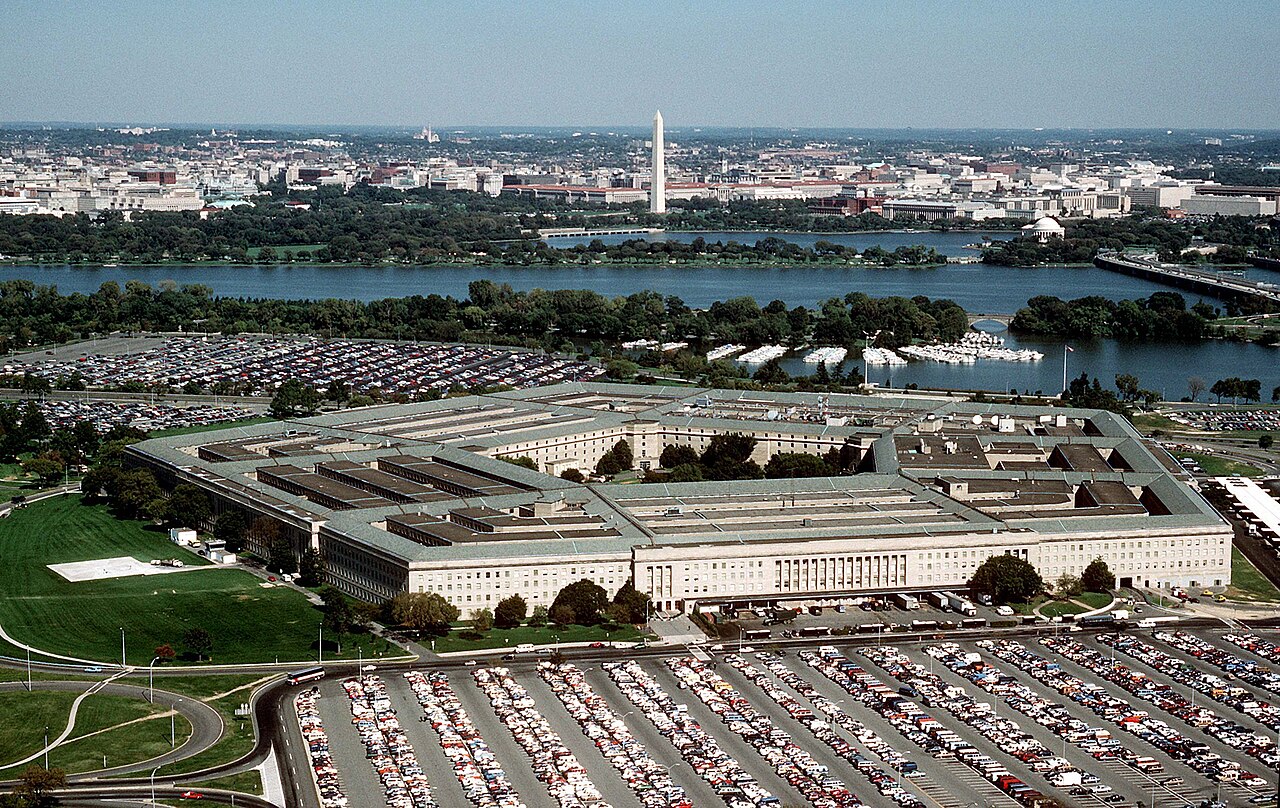
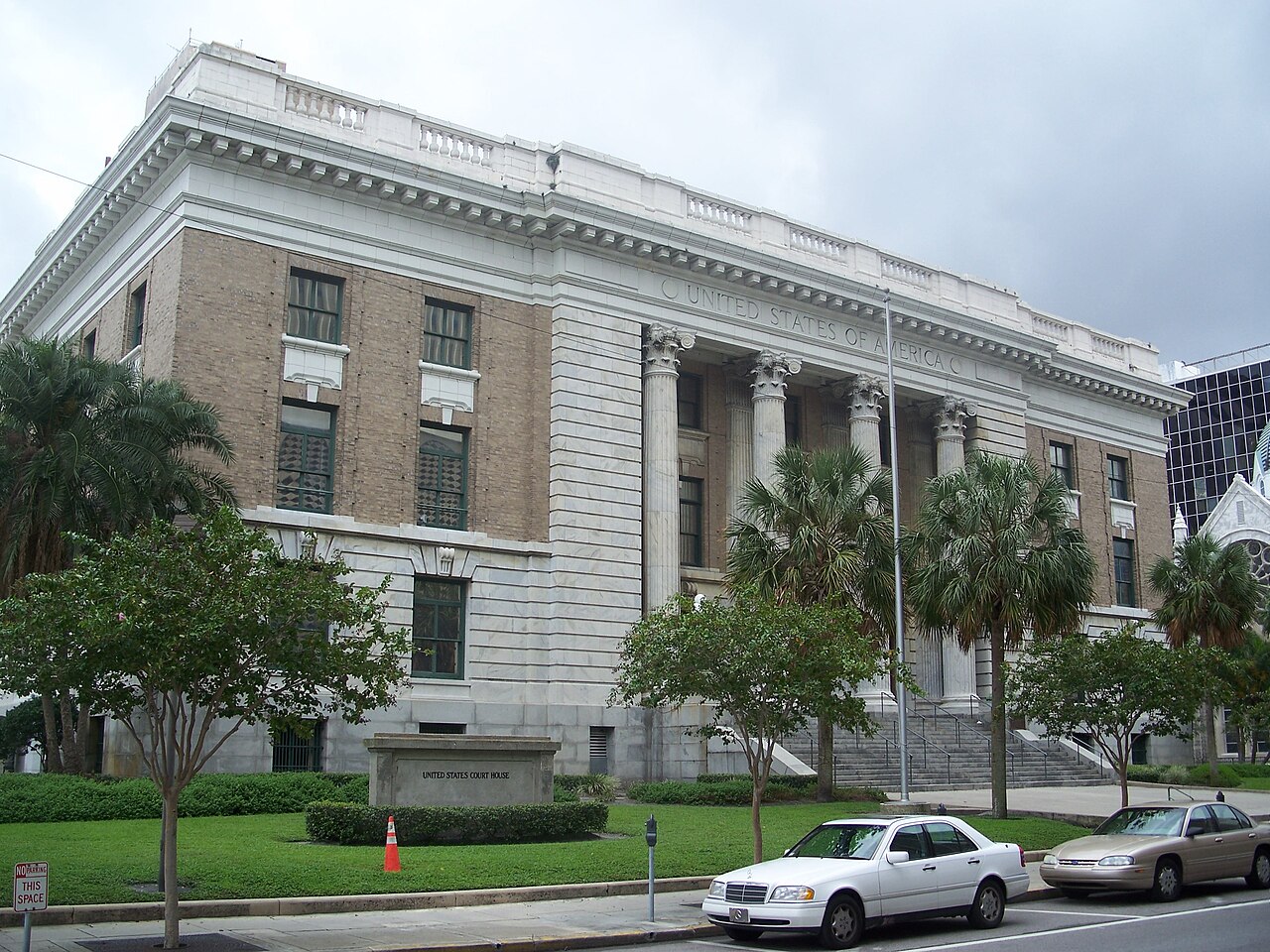
A federal judge in San Francisco ruled on Thursday that the Pentagon's blacklisting of Anthropic earlier this year was illegal, delivering the AI lab a major win in its monthslong fight with the Trump administration. US District Judge Rita Lin found that the Department of Defense violated the First Amendment when it designated Anthropic a "supply chain risk" in February, a label that barred the company from federal contracts and stopped military contractors from doing business with it.
In a 59-page ruling, Lin wrote that Defense Secretary Pete Hegseth's decision was "arbitrary, capricious, an abuse of discretion, and otherwise not in accordance with law." She found the designation amounted to unlawful retaliation for Anthropic's public criticism of the Department of War's stance on military AI use, not a genuine national security concern.
What the ruling actually changes
The order vacates Hegseth's February 27 decision and lifts sanctions imposed by nine federal agencies, including the Pentagon, the Treasury Department, the State Department and the Department of Homeland Security. Those agencies had used the supply-chain-risk label to justify cutting ties with Anthropic and pressuring contractors to avoid its Claude models. Lin's order removes those penalties outright.
The ruling stops short of forcing the Pentagon to work with Anthropic again. Lin explicitly affirmed that the Department of War remains free to choose whichever AI vendor it wants and is not required to use Claude. What it cannot do, she wrote, is punish a vendor for refusing government demands by falsely branding it a security threat.
The empty invocation of national security is not a blank check to punish and retaliate against government critics.
How a $200 million contract turned into a blacklist
The dispute traces back to a roughly $200 million deal for the Pentagon to use Anthropic's Claude models for military applications. This past winter, Hegseth moved to renegotiate AI contracts across the industry so the Pentagon could use the technology for "any lawful use," a sweeping expansion of its authority. Most AI labs signed on. Anthropic refused, insisting on two limits: no use of its models for fully autonomous lethal weapons, and no use for domestic mass surveillance of Americans.
Tensions escalated after reports surfaced that Claude had been used in the operation to capture Venezuelan president Nicolás Maduro, after which a Palantir employee relayed concerns from an Anthropic staffer about how the models were being deployed. Negotiations collapsed in February. Days later, Anthropic became the first American company ever publicly designated a supply chain risk by the US government, and the Pentagon moved to sign replacement deals with seven other AI labs, including Google, Microsoft, OpenAI and SpaceX.
- February 27: Hegseth designates Anthropic a "supply chain risk," barring federal contracts.
- March: Judge Lin issues a temporary block, calling the move "classic illegal First Amendment retaliation."
- Anthropic sues in two courts: San Francisco district court and the DC Circuit Court of Appeals.
- August 27: Lin's final 59-page ruling vacates the designation and the sanctions from nine agencies.
The fight is not over
Anthropic's lawsuit at the DC Circuit Court of Appeals, which challenges a separate legal basis the Pentagon used for the same designation, is still pending. Until that case is resolved, the company technically remains listed as a supply chain risk on paper, even though Thursday's ruling strips the practical penalties tied to it. A Pentagon spokesperson could not immediately be reached for comment, and the department is expected to appeal Lin's decision.
Lin also pointed to a detail that undercut the government's stated rationale: even after blacklisting Anthropic, US officials continued discussing the use of the company's newest model, called Mythos, in sensitive government settings. "None of that is consistent with a genuine fear that Anthropic is a saboteur who would poison its software to harm national security," she wrote in the ruling.
In a statement, an Anthropic spokesperson said the company "welcomes the court's ruling that this supply chain risk designation was unlawful" and remains "focused on working productively with the government to harness AI for our national security so all Americans benefit from this technology." For American AI companies watching from the sidelines, the ruling sets a concrete precedent: a national security label cannot be used to punish a contractor for setting its own conditions on lethal or surveillance uses of its technology, even in negotiations with the Pentagon itself.
Sources
- A Judge Has Blocked the Pentagon's Attempt to Blacklist AnthropicWIRED · August 28, 2026
- Judge blocks Pentagon blacklist of Anthropic as supply chain riskCNBC · August 28, 2026
- Anthropic was illegally blacklisted by the Trump administration, court rulesThe Verge · August 28, 2026