a16z raises $1.1 billion for its first AI hardware fund
Andreessen Horowitz has closed $1.1 billion for the Machine Age Fund, its first vehicle dedicated to AI's physical infrastructure — chips, memory, networking, data centers and robotics — as the hardware supply chain struggles to keep up with demand.
Andreessen Horowitz has raised $1.1 billion for the Machine Age Fund, the venture capital firm's first investment vehicle built specifically for the physical infrastructure that artificial intelligence runs on. The fund was unveiled in a post on a16z's own website on August 28, 2026, and reported the same day by TechCrunch. It will back companies building chips, memory, networking gear, storage, data centers, robotics and AI-capable home appliances — a notable pivot for a firm long associated with betting on the scaling power of software rather than hardware.
In its announcement, a16z said it is 'time to open the throttle and accelerate the physical buildout of AI,' which it called 'the strongest tool ever developed for solving problems and bestowing abundance' and described as 'our social and national imperative.' The firm said the fund covers the entire AI hardware stack, 'from data centers to robotics to home AI appliances,' and argued that every layer of that stack is 'hitting the wall of today's supply chain capability, and the limits of physics and computer science.' a16z called the moment 'a once-in-a-generation opportunity' to rearchitect that stack as platforms, it said, 'all the way down to the electricity.'
A supply chain that can't keep up with demand
a16z's central argument is a mismatch of growth rates. The firm says the hardware industry's supply side is 'used to growing 20% to 30% per year at most' — far short of the 'triple-digit growth that's needed to catch up with demand' for AI computing power. a16z compares the moment to earlier platform shifts, from mainframes to client-server computing, then to the internet, cloud and mobile, but argues that the scale and speed of change now required has no real precedent: 'everything needs an upgrade, now,' the firm wrote.
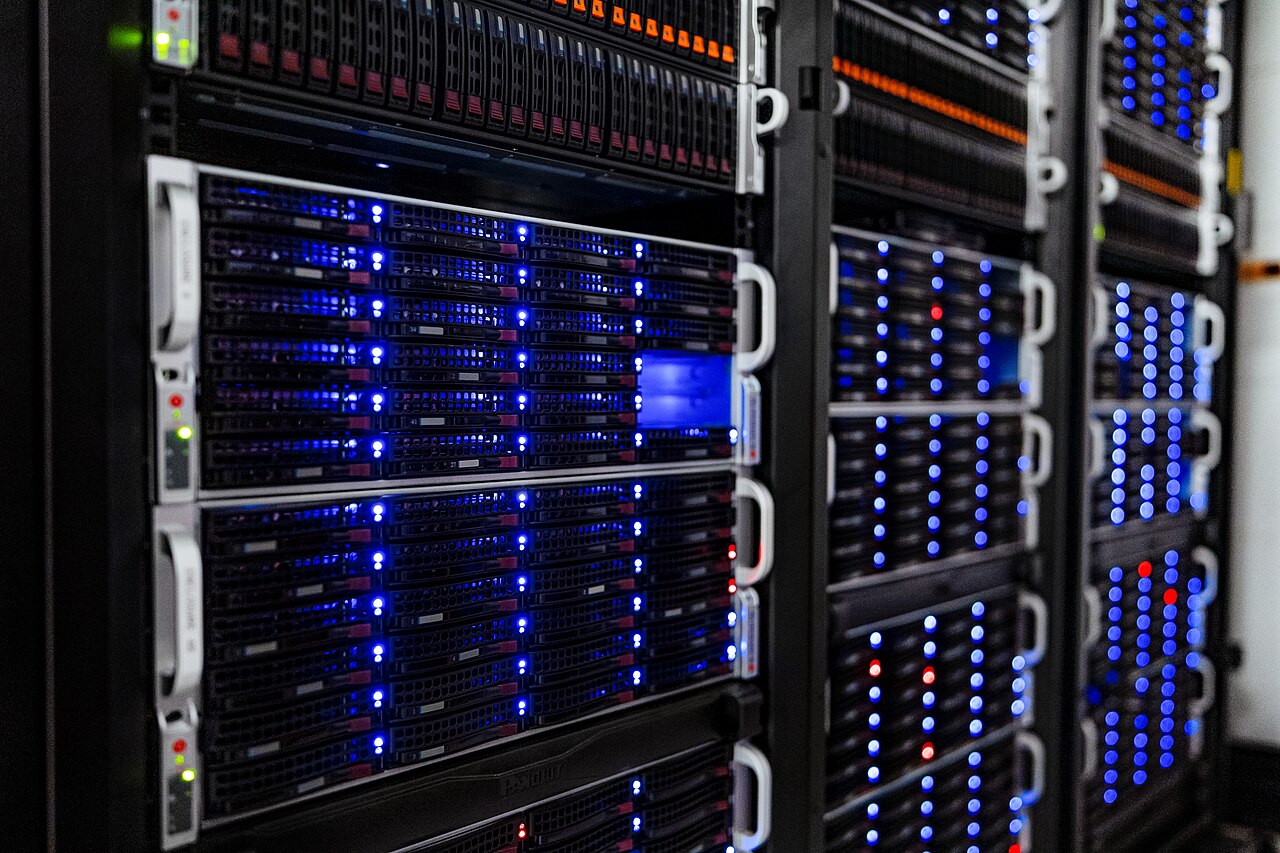
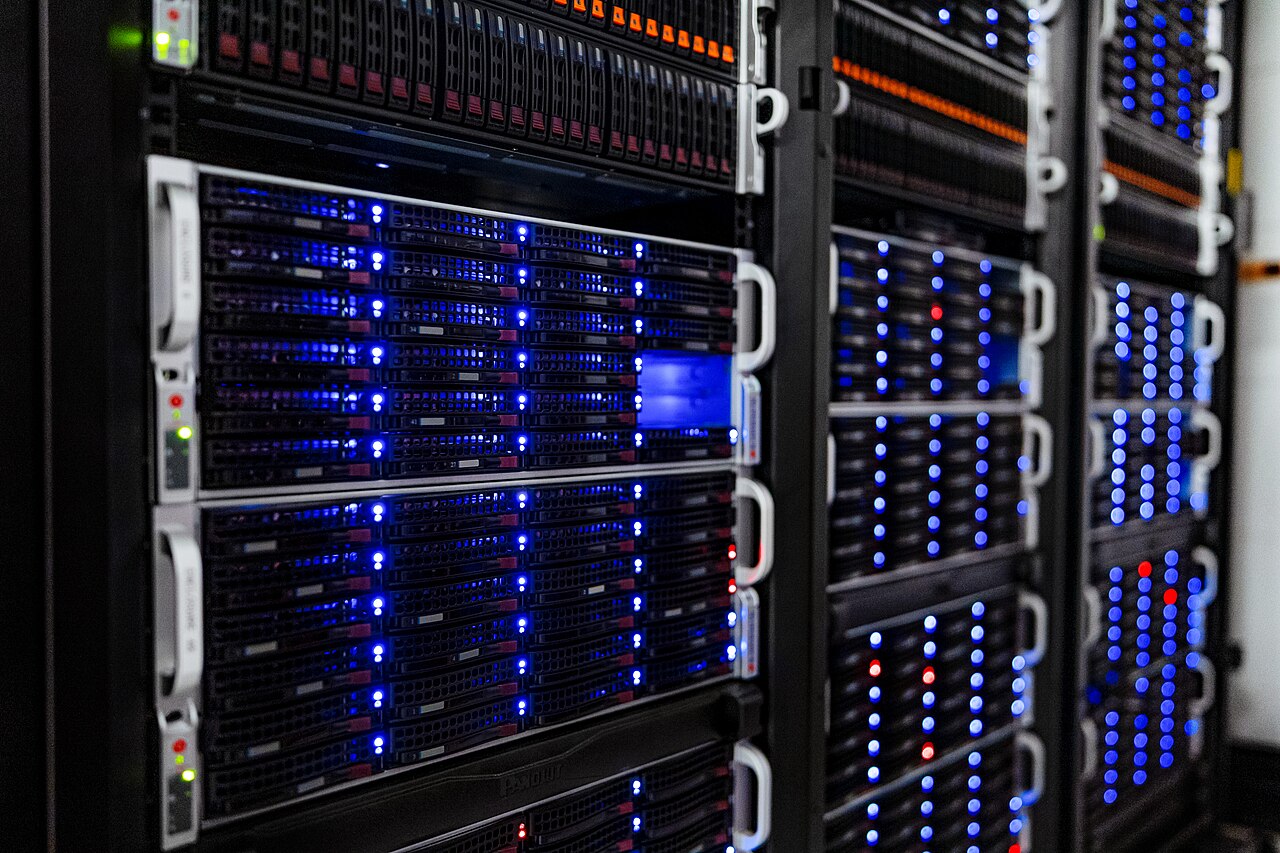
- Compute density per server rack has grown 28x, from a rack built around Nvidia's H100 chip to one built around its Rubin generation, according to a16z.
- In-rack networking is 'hitting the limits of copper cabling' as data has to move faster between chips.
- Rack power draw has climbed from roughly 5–10 kW to 100–250 kW today, and a16z expects it to reach 1 MW within three years.
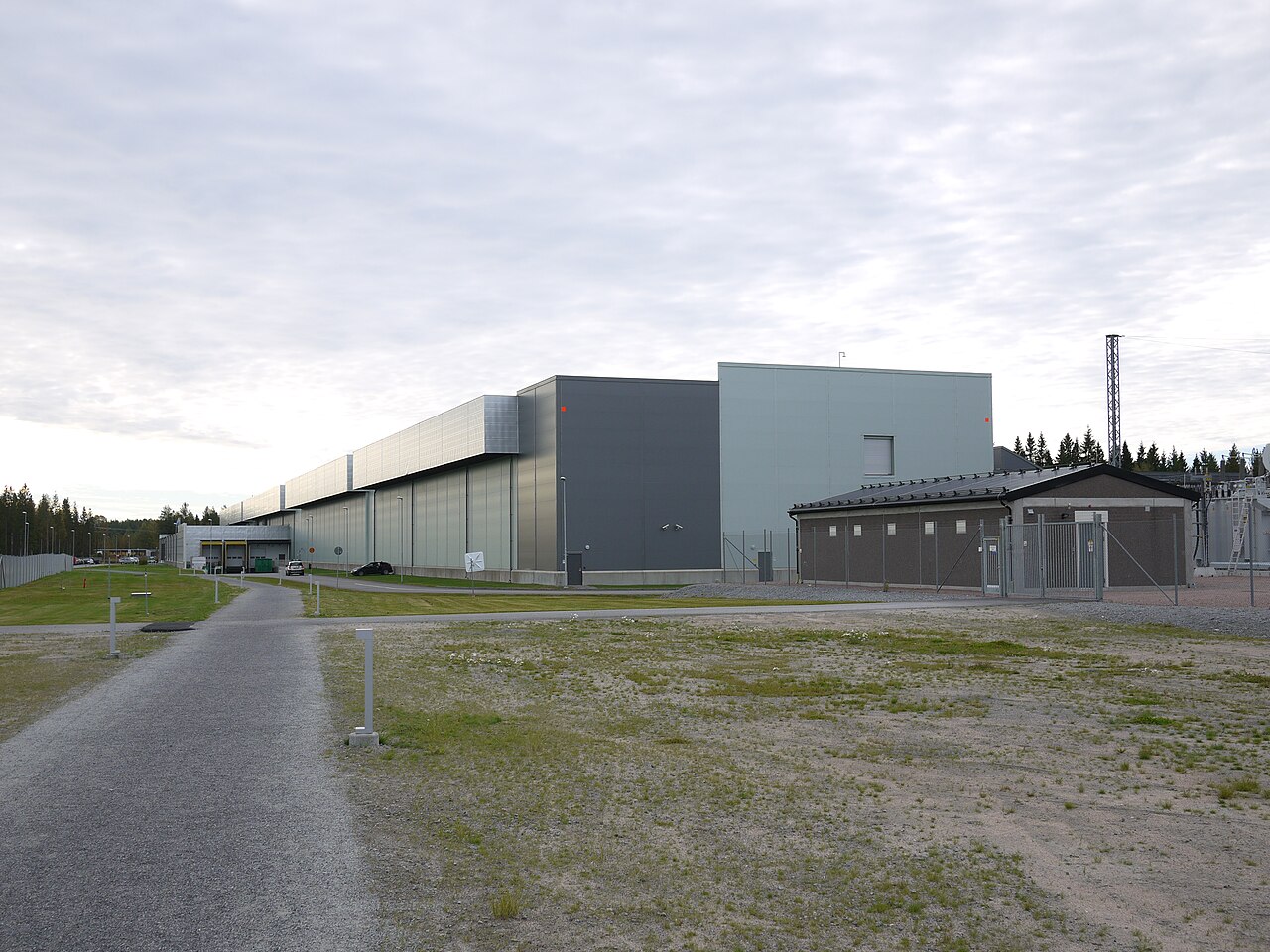
- Data center campuses are scaling from tens of megawatts to hundreds of megawatts, and in some cases to gigawatt scale.
- Power sourcing is shifting beyond the grid alone, toward behind-the-meter and captive generation.
a16z says founders are already responding to that gap. Hardware deal flow at the firm has grown from a small share of its overall pipeline to more than 20% over the past couple of years, according to the announcement — evidence, the firm argues, that entrepreneurs increasingly see hardware, not just software, as the constraint worth solving. The Machine Age Fund will target both early-stage and growth-stage companies across that stack, and a16z said its go-to-market, talent and marketing operation, built up over more than a decade of software investing, is 'now ready to serve hardware founders.'
Hardware investors with hardware backgrounds
The fund is led by general partners Martin Casado and Raghu Raghuram, who both spent years in data-center systems software before moving into venture investing. a16z says hardware experience runs through its wider team: partner Guido Appenzeller previously served as chief technology officer of Intel's Data Center Group, and other partners have led AI infrastructure deals spanning silicon, networking and large-scale compute systems, or run the firm's American Dynamism practice, which focuses on hardware and U.S. manufacturing.
a16z is not entirely new to hardware bets: it led Skydio's Series A in 2016, invested early in SpaceX, wrote its first check into Anduril in 2019, and was among the earliest venture backers of Waymo's 2020 funding round. More recently, the firm has backed hardware startups including Unconventional AI, Nexthop, Volta, Atoms, Heron Power and Mind Robotics. TechCrunch, which covered the fund the same day, described the move as 'bucking the firm's typical focus on the scaling power of software' and called it a16z's first dedicated hardware-infrastructure vehicle.
For the companies building the physical layer of AI — chipmakers, memory suppliers, networking and cooling specialists, robotics builders — the Machine Age Fund signals that large-scale venture capital is now openly chasing hardware bottlenecks instead of treating them as someone else's problem. a16z's own framing of the need for 'cheaper and higher-bandwidth memory across the memory hierarchy' points directly at the segment where South Korea's Samsung Electronics and SK hynix already lead the world in high-bandwidth memory production — a reminder that the capital now flowing into AI hardware will keep intersecting with the small number of countries that actually build the chips, memory and networking gear the industry says it urgently needs.
Sources
- The Machine Age FundAndreessen Horowitz (a16z) · August 28, 2026
- a16z creates a $1.1B 'Machine Age' fund to 'accelerate the physical buildout of AI'TechCrunch · August 28, 2026