
U.S. Semiconductor Industry Faces Potential Shortfall of Up to 157,000 Skilled Workers by 2030
A joint analysis by McKinsey and the SEMI Foundation warns that the United States could be missing between 127,000 and 157,000 qualified semiconductor workers by the end of the decade, threatening expansion plans from Samsung, Micron and others.
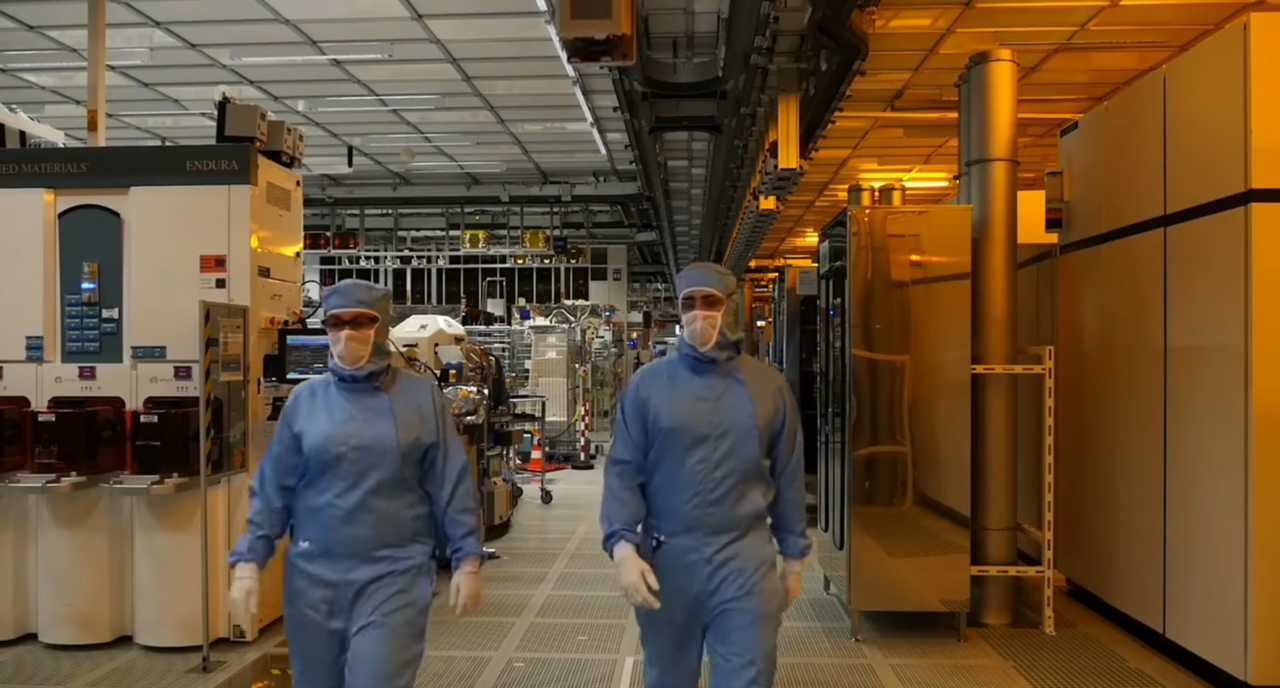
The projected shortage stems from a comprehensive national study carried out jointly by McKinsey and the SEMI Foundation, which calculates that by 2030 the United States could be missing between 127,000 and 157,000 qualified semiconductor workers. These numbers do not represent current open positions; instead they combine anticipated plant construction schedules, the capacity of training pipelines, expected immigration flows, employee turnover rates and the availability of financing for new facilities.
Why recruitment is already difficult
McKinsey, as reported by CNBC, notes that only three percent of U.S. engineering graduates who secure an engineering job each year choose to work in the semiconductor sector. This very low entry rate intensifies the problem, especially as 73 % of semiconductor employers say they face severe difficulty recruiting engineers.
The talent gap is being felt throughout the entire supply chain. Companies such as Samsung and SK Hynix have temporarily moved South Korean staff to the United States to accelerate equipment installation, while Samsung also sends newly hired American engineers to Korea for on‑the‑job training.
Major expansion projects increase demand
Samsung disclosed a $35 billion investment for two new fabrication plants in Taylor, Texas, a plan that is expected to generate roughly 3,500 jobs. Micron is constructing its first advanced memory fab in Boise, Idaho, and a second site in Clay, Idaho, while SK Hynix is preparing a memory‑packaging facility in Indiana.
TSMC anticipates filling about 6,000 positions across its first three factories in Arizona, relying heavily on its extensive internship program to staff the new lines. These expansion initiatives alone could create tens of thousands of new roles that must be filled within the next decade.
Education and training responses
Higher‑education institutions are scaling up their offerings. Purdue University enrolls roughly 2,500 students each semester in chip‑related courses, and Arizona State University has transformed an old Motorola plant into a cleanroom laboratory funded with $200 million from Applied Materials.
The CHIPS Act has also catalyzed community‑college involvement: more than 80 colleges have launched or expanded semiconductor programs with the support of a $200 million federal fund, aiming to build a broader base of technicians and junior engineers.
- Increase federal scholarships for semiconductor STEM majors
- Expand apprenticeship pipelines with fab operators
- Accelerate visa processing for highly skilled foreign engineers
- Create industry‑led curriculum standards through SEMI’s advisory committee
- Allocate additional CHIPS funding for community‑college labs
SEMI’s recent press release highlights the creation of an Industry Advisory Committee for the National Network for Microelectronics Education, a platform intended to align academic curricula with the precise skill sets demanded by manufacturers.
Despite these initiatives, the projected shortfall indicates that current measures may not keep pace with the rapid build‑out of fab capacity. The analysis emphasizes that the timing of plant openings, the speed at which curricula are updated, and the direction of immigration policy will be decisive factors.
What the gap means for U.S. organizations
For any English‑speaking organization that depends on semiconductor components—whether in automotive, consumer electronics, or cloud computing—the shortage translates into longer lead times, higher component prices and an elevated risk of supply‑chain disruptions. Companies may need to invest in internal training programs, partner with local colleges, or secure long‑term talent contracts to mitigate the impact of a constrained labor market.
Regional implications
In Texas, the anticipated influx of jobs at Samsung’s new fabs is already prompting local governments to examine housing affordability and transportation infrastructure, as they seek to attract and retain the skilled workforce needed for the plants.
In the Pacific Northwest, Boise’s emerging role as a memory‑fab hub is driving collaborations between Micron and Idaho’s technical colleges, with joint curricula designed to fast‑track students into production roles.
Arizona’s semiconductor ecosystem, anchored by TSMC, is seeing a surge in apprenticeship opportunities, as the state’s Department of Economic Security allocates additional resources to support on‑the‑job training for aspiring technicians.
Midwest states such as Indiana are leveraging the SK Hynix packaging facility to attract ancillary suppliers, hoping that the ripple effect will create a broader network of skilled jobs beyond the immediate plant footprint.
Overall, the confluence of massive capital investment, educational expansion, and policy incentives underscores the urgency of closing the talent gap before the 2030 deadline, lest the United States risk losing its competitive edge in the global semiconductor arena.
Sources
- U.S. chipmakers face deep labor shortage, Samsung, Micron sound alarmCNBC · September 17, 2026
- National Network for Microelectronics Education Announces Industry Advisory CommitteeSEMI · September 9, 2026