
FAA rolls out $875 million SMART AI platform to forecast air traffic flows
The Federal Aviation Administration is set to launch SMART, a $875 million cloud‑based AI system that will predict flight schedules, weather impacts and airport capacity to alert controllers of potential conflicts before they happen.
The Federal Aviation Administration (FAA) has announced that it will soon roll out SMART, a cloud‑based artificial‑intelligence platform built on a $875 million contract awarded to Air Space Intelligence. The acronym SMART stands for Strategic Management of Airspace, Routes, and Trajectories, and the multi‑year agreement spans twelve years, explicitly designed to augment, rather than supplant, the nation’s existing air‑traffic‑management (ATM) infrastructure.
Operating as a cloud‑native service, SMART will continuously ingest a wide array of inputs, including airline flight schedules, live weather feeds, airport capacity statistics, the current configuration of the national airspace, and a host of operational constraints. By synthesising these diverse data streams, the system seeks to anticipate traffic patterns and highlight emerging conflicts well before they appear on traditional radar displays.
How the AI Engine Works
At the heart of SMART lies a collection of machine‑learning models that have been trained on decades of historical flight data as well as extensive simulation scenarios. These models produce probabilistic forecasts of aircraft trajectories, factoring in variables such as wind shear, runway availability, and temporary airspace restrictions, and then deliver early‑warning alerts to controllers suggesting alternative routes or timing tweaks.
The FAA’s research documentation stresses that the integration of human operators with AI must keep pace with the system’s deployment. Accordingly, the agency has mandated comprehensive studies of human‑factor considerations, false‑positive rates, system resilience, manual recovery protocols, traceability, and cognitive workload before any broader rollout can proceed.
Deployment Timeline
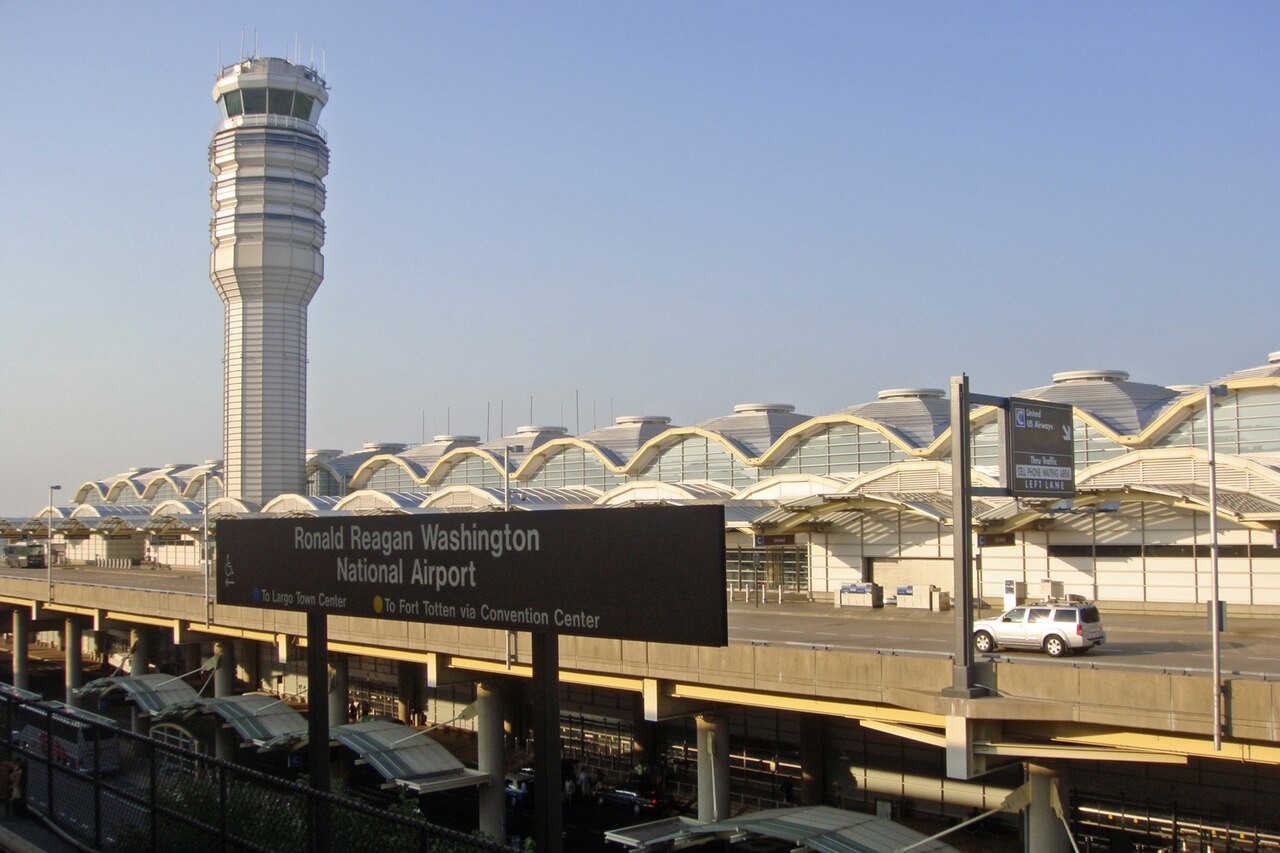
The inaugural operational deployment of SMART will take place in the Washington, D.C. metropolitan airspace, an area notorious for dense traffic volumes and frequent weather‑related disruptions. After a phased evaluation period in this corridor, the FAA intends to expand the platform to additional high‑traffic routes throughout the United States.
The Washington pilot will run in parallel with the FAA’s ongoing recruitment campaign aimed at alleviating a chronic shortage of certified air‑traffic controllers. While legacy radar and communication systems are being modernised, SMART is positioned as a decision‑support tool that can ease workload pressures on the existing workforce.
Key Benefits Expected
- Earlier detection of potential conflicts, giving controllers more time to intervene
- Reduced need for last‑minute reroutes, which can lower fuel burn and emissions
- Improved predictability of airport arrival slots, aiding airline scheduling
- Enhanced situational awareness during severe weather events
According to a Wall Street Journal story cited by TechCrunch, the $875 million contract also encompasses a complementary system for real‑time trajectory monitoring, further tightening the feedback loop between predictive analytics and actual flight execution.
FAA policy documents from the 2023 National Aviation Research Plan underline that precision alone does not satisfy safety‑critical AI standards. The agency requires rigorous measurement of false signals and a clearly defined manual‑override pathway, ensuring that any AI‑generated recommendation can be audited and, if necessary, rejected by a human controller.
Critics have cautioned that an over‑reliance on automated forecasts could obscure underlying staffing shortfalls. The FAA’s broader modernisation effort, which includes upgrades to the NextGen system, is intended to keep the human element central to air‑traffic operations while leveraging AI to enhance, not replace, human judgment.
For airlines, airports and service providers operating in English‑speaking markets, SMART promises a more predictable operating environment. By receiving advance alerts about congestion or weather‑induced bottlenecks, carriers can proactively adjust flight plans, curbing delay cascades and improving on‑time performance metrics that are closely monitored by passengers and regulators alike.
In a practical scenario, an airline’s dispatch team might receive a SMART alert indicating a high probability of runway saturation at a major hub two hours before the predicted peak. The team could then re‑sequence flights, request alternate routing or negotiate gate changes before the situation escalates, ultimately saving fuel, crew time and passenger inconvenience.
Next Steps and Localization
The first phase of SMART’s rollout will be closely monitored from the FAA’s Washington, D.C. operations center, where local controllers will test the early‑warning alerts in real‑time. Feedback from this region will shape the system’s refinement before it is deployed to other congested corridors such as New York, Chicago and Los Angeles, ensuring that the technology adapts to the specific operational nuances of each airspace.
Sources
- The FAA's plan to fix air traffic? $875M worth of AITechCrunch · September 17, 2026
- National Aviation Research Plan FY 2024-2028Federal Aviation Administration · November 8, 2023