SoftBank turns to DigitalBridge as AI infrastructure ambitions strain its balance sheet
SoftBank’s push to build a global AI data‑centre network has outpaced its internal financing, leading the group to partner with DigitalBridge after a $4 billion takeover that positions the U.S. firm as a third‑party infrastructure arm.

On 4 October 2026 the Financial Times reported that Masayoshi Son’s vision for artificial‑intelligence (AI) services is outgrowing the financial capacity of SoftBank Group Corp. The Japanese conglomerate has been rapidly acquiring AI start‑ups and committing capital to build a global network of high‑performance data centres that can host large‑scale machine‑learning models. According to the FT article, the scale of these projects now exceeds what SoftBank can fund directly from its balance sheet, prompting the group to look for external partners to share the risk and capital burden.
SoftBank’s AI push outpaces its balance sheet
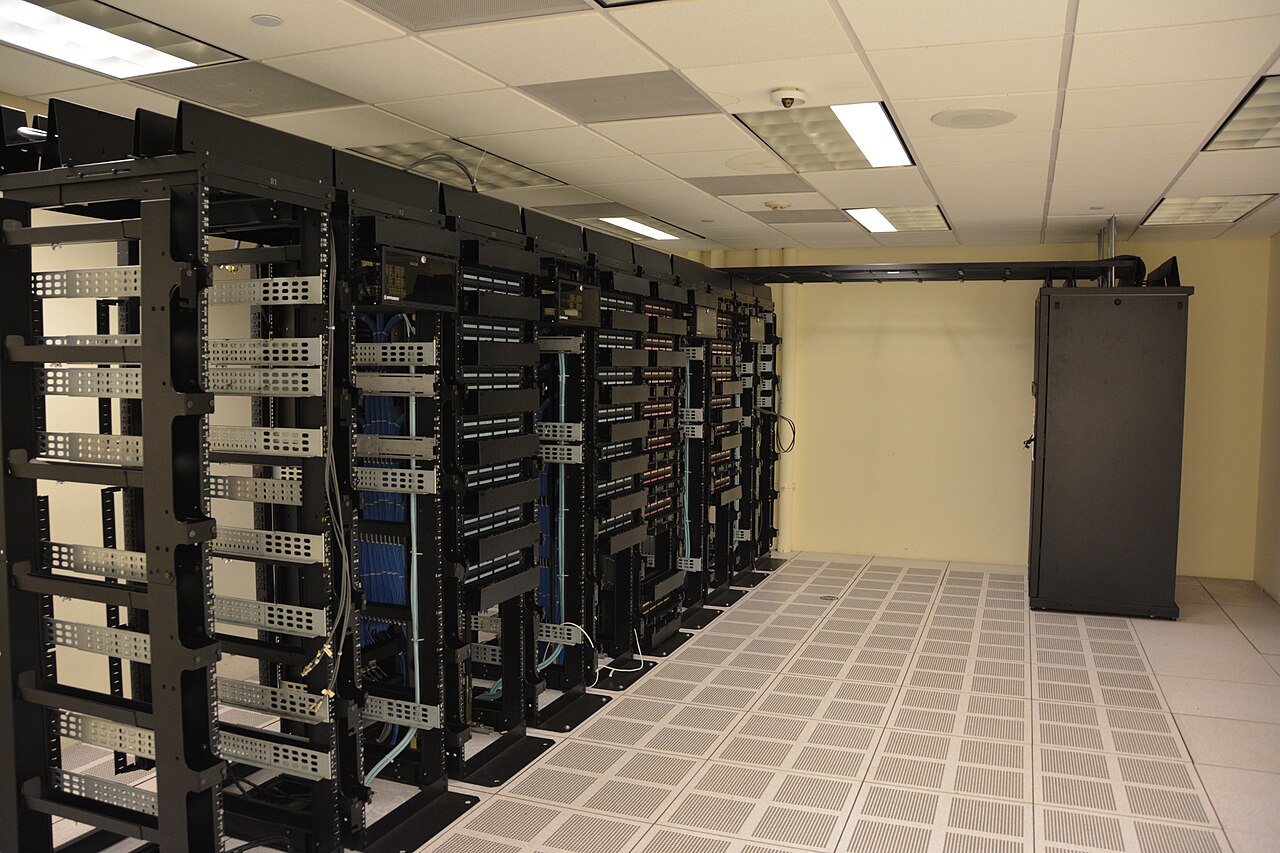
Son’s AI strategy, outlined in a series of public statements over the past two years, targets the deployment of specialised hardware for generative‑AI workloads across Asia, Europe and North America. The plan involves constructing dozens of purpose‑built data‑centre sites, each equipped with thousands of GPUs and custom ASICs. While SoftBank’s venture arm, Vision Fund, has supplied early‑stage funding for many of the underlying technologies, the capital intensity of constructing and operating the physical facilities is far greater than the group’s traditional investment model can sustain.
Financial analysts cited in the FT piece note that SoftBank’s balance sheet, already leveraged by large‑scale telecom and technology acquisitions, leaves limited room for the multi‑billion‑dollar outlays required for AI‑grade infrastructure. The company’s debt‑to‑equity ratio and cash‑flow projections suggest that financing a full‑scale rollout without external help would strain liquidity and potentially jeopardise other strategic initiatives. Consequently, SoftBank has been exploring partnership structures that allow it to retain strategic control while off‑loading a substantial portion of the capital risk.
DigitalBridge steps in as a third‑party arm
DigitalBridge’s chief executive Marc Ganzi told the Financial Times that his firm’s data‑centre investment platform will act as SoftBank’s “third‑party infrastructure arm” following a $4 billion takeover of a SoftBank‑controlled data‑centre portfolio. Ganzi’s comment, recorded on 4 October 2026, frames the deal as a strategic hand‑off rather than a direct cash infusion for every new AI site. The $4 billion figure refers specifically to the purchase price of the existing assets, not to a guaranteed budget for future AI‑focused data‑centre construction.
Under the new arrangement, DigitalBridge will assume ownership and operational responsibility for the acquired facilities, applying its specialist infrastructure management expertise to optimise performance and occupancy. SoftBank will continue to influence site selection and technology standards, ensuring alignment with its broader AI ecosystem. By delegating day‑to‑day management to a firm that already operates a global portfolio of data‑centre properties, SoftBank can focus on sourcing AI workloads and negotiating service contracts, while DigitalBridge handles the capital‑intensive aspects of construction, maintenance and scaling.
How the partnership works
The partnership relies on external capital raised by DigitalBridge and its investors, rather than on SoftBank’s balance‑sheet resources. DigitalBridge plans to fund new builds through a combination of debt, equity and co‑investment agreements with institutional partners that are accustomed to long‑term infrastructure returns. This model allows SoftBank to tap a pool of capital that is earmarked for real‑asset projects, thereby preserving its own cash reserves for AI research, software development and strategic acquisitions.
The Financial Times cautioned that the $4 billion takeover does not guarantee a fixed budget for future AI data‑centre projects. Neither the expected returns on individual sites nor the deployment timetable have been disclosed. As a result, the scale and speed of SoftBank’s AI infrastructure rollout remain uncertain, and the success of the collaboration will depend on market demand for AI compute, the ability of DigitalBridge to attract additional financing, and the alignment of both parties on pricing and service‑level agreements.
Implications for SoftBank and the AI data‑centre market
If the arrangement proves effective, SoftBank could accelerate its AI ambitions without over‑leveraging its balance sheet, while DigitalBridge would expand its footprint in a high‑growth segment of the data‑centre industry. Industry observers see the deal as a signal that specialised infrastructure providers are becoming essential partners for tech conglomerates that lack the internal capital capacity to fund large‑scale compute facilities. However, the lack of disclosed financial targets means investors must monitor how quickly new sites become operational and whether they achieve the occupancy levels needed to generate sustainable returns.
The immediate change is that SoftBank now relies on DigitalBridge to supply the capital and operational expertise for its AI data‑centre expansion, rather than financing each project internally. This shift reduces the immediate strain on SoftBank’s balance sheet and introduces a dedicated infrastructure partner with a proven track record in data‑centre management. Going forward, SoftBank’s AI strategy will be executed through a hybrid model that blends its technological vision with DigitalBridge’s asset‑focused financing and management capabilities.
Sources
- Masayoshi Son’s AI ambitions outgrow SoftBank’s balance sheetFinancial Times · October 4, 2026
- DigitalBridge newsroomDigitalBridge · October 4, 2026