Gemini 4 is in post-training and due well before year-end, says DeepMind chief
Koray Kavukcuoglu, who took over Google DeepMind in August, says Gemini 4 is in an early post-training phase, already powers the Antigravity coding tool internally, and should ship much earlier than the end of 2026. No date has been given.
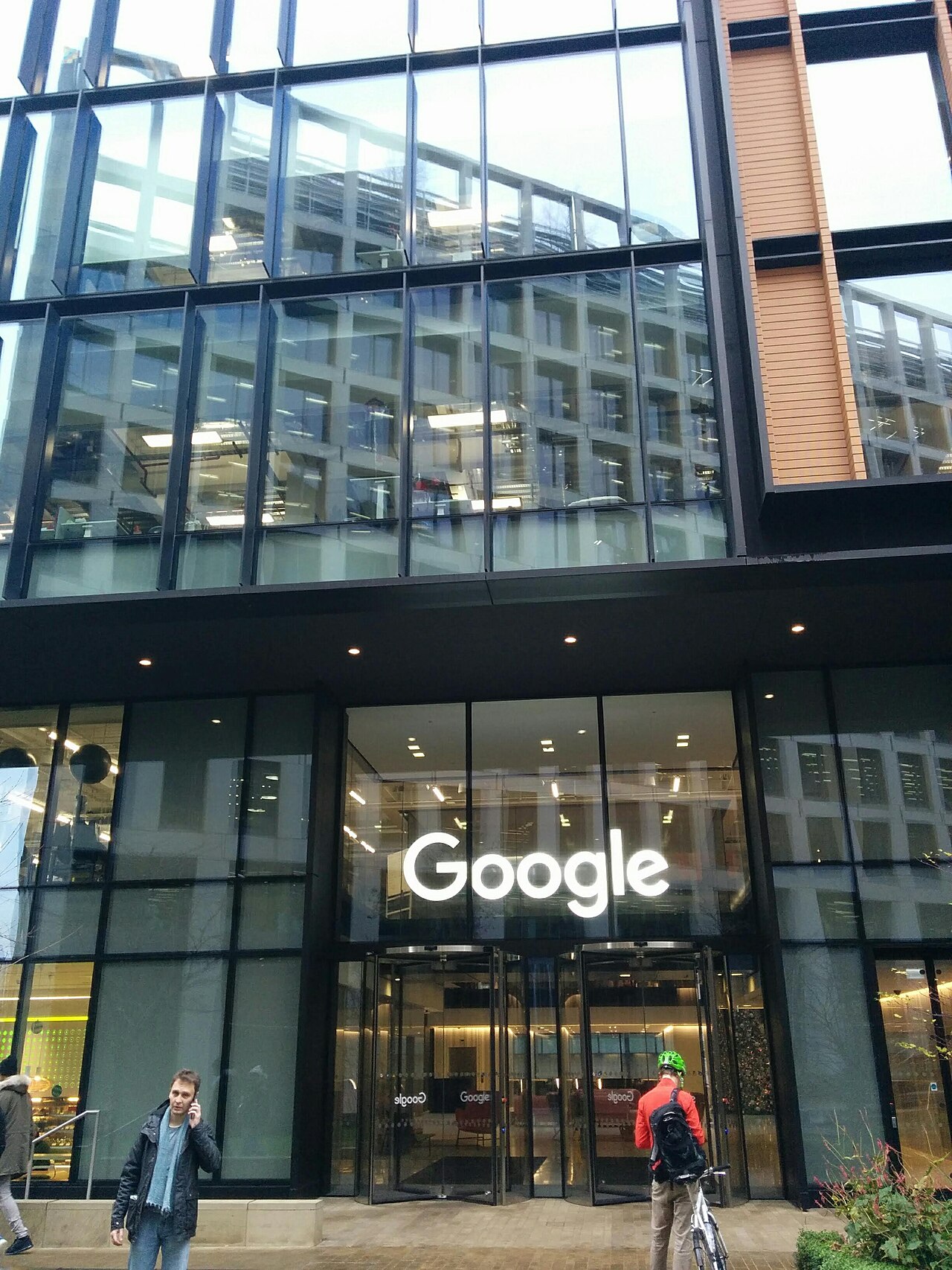
Google's next flagship model is getting closer. Koray Kavukcuoglu, who now runs Google DeepMind, said that Gemini 4 is in an early phase of post-training and that Google hopes to release it much earlier than the end of the year, according to The Decoder and Hipertextual. He spoke at The Information's AI Agenda Live Summit, his first media appearance as head of the lab.
Post-training is the stage in which a base model, trained on large amounts of data, is refined so that it behaves reliably: following instructions, refusing certain requests and performing well on the tasks it will be used for. A model in post-training exists, but is not yet considered finished.
What Kavukcuoglu said about the timetable
The intention is to release an early post-trained version as soon as possible, because the team has seen results it is excited about, and to follow with fast iterations, Kavukcuoglu said, as quoted by The Decoder. Engineers are already using the model internally for Antigravity, Google's agentic programming platform, both sources report. Google is still working on safeguards and safety testing, The Decoder adds.
He did not give a date. Hipertextual notes that the window is vague, but that a model already in post-training could plausibly be ready within weeks. It is also not known whether Gemini 4 will arrive only as a Flash version, the faster and cheaper tier Google has favoured this year, or whether it will finally renew the Pro line.
A gap Google needs to close
Gemini 4 would be Google's first new flagship model since Gemini 3 late last year, The Decoder writes. Since then the company has shipped the Gemini 3.1 update in February and several smaller, cheaper Flash models. Chief executive Sundar Pichai announced Gemini 3.5 Pro at Google I/O in May for a June release, but it never arrived; according to the Financial Times, cited by The Decoder, the project missed three deadlines. Kavukcuoglu said Google took a little bit of a step back to maximise the speed of learning, without saying whether Gemini 3.5 Pro has been cancelled.
Meanwhile competitors have moved. Anthropic released Claude Opus 5.5 this week, after the 5.1 versions of Mythos and Fable, and OpenAI has launched GPT-6 Sol and Luna, the smaller siblings of its most capable model Astra, Hipertextual recalls. The Decoder describes these rival models as far more capable than Google's current top models. Kavukcuoglu says he is a hundred percent confident and that, in his mind, it is a certainty that Google will always be at the frontier.
A lab that has changed its priorities
Kavukcuoglu, previously chief technology officer, took over in August after Demis Hassabis stepped down as chief executive of DeepMind; Hassabis now chairs the unit and serves as Alphabet's chief scientist, according to The Decoder. Kavukcuoglu runs day-to-day operations without the chief executive title, and all Gemini development is moving to the San Francisco Bay Area.
His remarks on artificial general intelligence mark a shift. Whether AGI has been achieved is not the right conversation, he said; the conversation is whether it is possible to build intelligent agents that people can trust. The Decoder contrasts this with Hassabis's farewell memo, in which he wrote that he felt AGI was close at hand.
The lab has also lost prominent researchers, The Decoder reports: Noam Shazeer left for OpenAI in June, AlphaFold Nobel laureate John Jumper joined Anthropic, and Jeff Dean founded the start-up Discovery Loop with Oriol Vinyals, Quoc Le and Sanjay Ghemawat. According to Fortune, cited by the same outlet, DeepMind's ratio of new hires to departures fell from about 12 to 1 in the second quarter of 2023 to roughly 2 to 1 in the third quarter of 2026.
- Status: Gemini 4 is in an early post-training phase.
- Internal use: it already powers Antigravity, Google's agentic coding platform.
- Timing: much earlier than the end of 2026, with no date given.
- Unknown: whether it arrives as a Flash model, a Pro model or both.
- Context: Gemini 3.5 Pro, promised for June, never shipped.
Why the model also matters for Google's chips
The model work is also supposed to help Google's hardware business. Google began selling its TPU chips directly to customers this year, putting it in closer competition with Nvidia, and according to Kavukcuoglu new models show hardware engineers how to design the next two or three generations of chips, The Decoder reports.
What this changes for companies
For companies building on Gemini, nothing changes today, and a promise without a date is not a release. The practical point is planning: teams that chose Gemini Flash for cost reasons, or that are comparing Google with OpenAI and Anthropic for coding agents, should expect a new top model in the coming weeks or months and keep their evaluations easy to rerun. For Spanish companies that use Gemini through Google Cloud, it is worth checking before committing to a model version for a long project, since Google's own schedule for Gemini 3.5 Pro slipped several times this year.
Sources
- Google revela nuevas pistas sobre cuándo llega Gemini 4Hipertextual · September 24, 2026
- Deepmind was built to chase AGI, but its new chief just wants Gemini 4 out the doorThe Decoder · September 24, 2026