First AI music awards: Xania Monet wins all three top prizes
The first music awards for AI artists were handed out in Los Angeles. Virtual artist Xania Monet won the three main prizes, while the debate over AI music goes on.
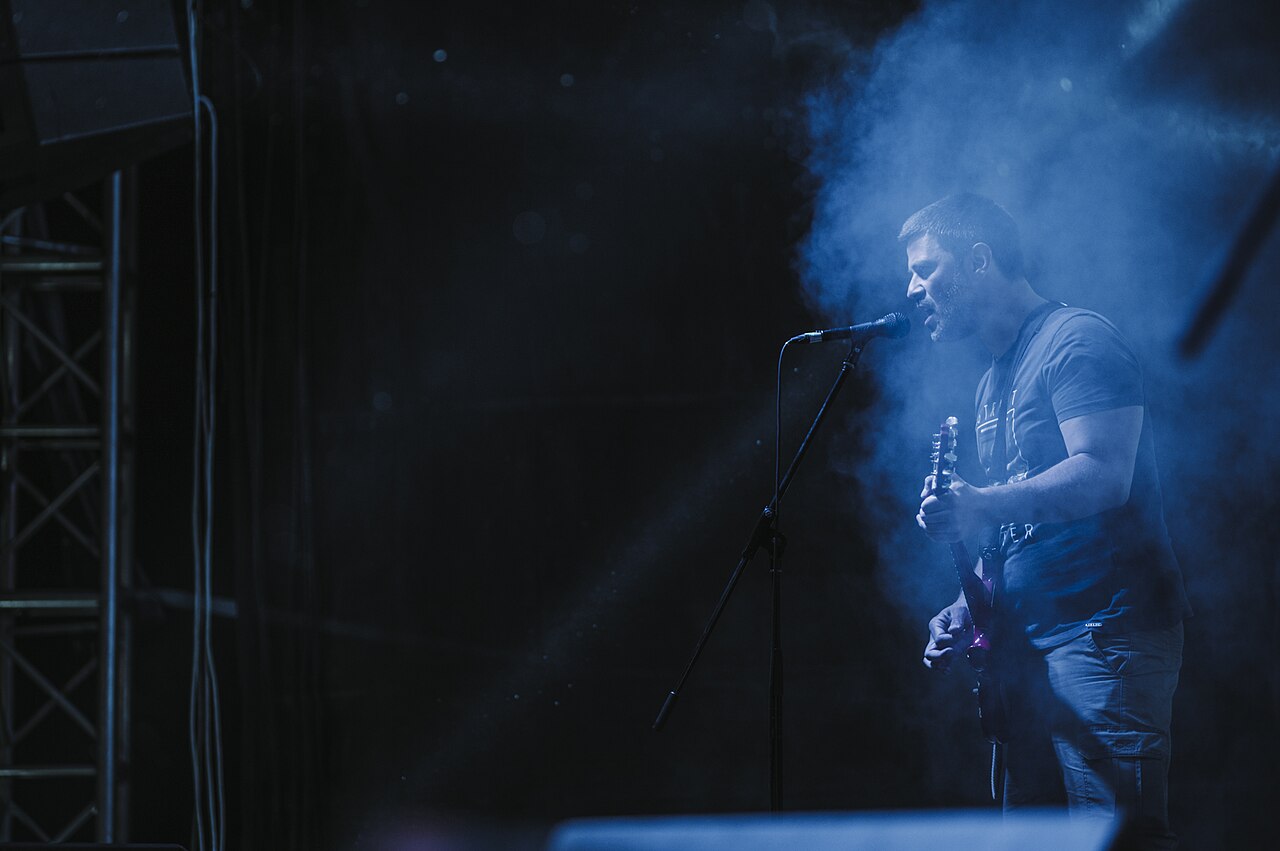
On Friday, November 13, 2026, the first music awards for AI artists were handed out in Los Angeles, Dutch outlet Bright reports, citing the news agency Reuters. According to Bright, the three main prizes (AI artist, AI song and AI album of the year) went to Xania Monet, a virtual artist generated entirely by AI. During the ceremony, creators defended the use of artificial intelligence in the music industry: in their view, AI music is a new genre in which human creativity still plays an important role.
Who is Xania Monet and what exactly did she win?
Xania Monet is not a flesh-and-blood singer but a virtual persona. Behind the name is the American songwriter Telisha “Nikki” Jones. According to Bright, she says she wrote all the lyrics herself and then used AI to create the music. Music Business Worldwide (MBW) writes that Jones fed her own poetry into Suno to make the track. Suno is an AI platform that generates complete pieces of music from a text prompt or supplied lyrics.
Her R&B song “How Was I Supposed to Know?” was, according to Billboard as relayed by Bright, the first song by an AI artist to secure a place on one of the American radio charts. According to MBW, Neil Jacobson's label Hallwood Media signed Xania Monet in a reported multi-million-dollar deal, after a bidding war in which offers reportedly reached $3 million. MBW presents that figure as reported, and the sources we read do not confirm it officially.
Before the ceremony, Jones told Reuters that, in her view, people simply have to get used to AI music and that she does not see it disappearing any time soon.
Who hands out the prizes and who picks the winners?
The awards were presented by the Sonic Intelligence Academy, or SIQA. According to Bright, the organization keeps AI music charts and develops tools to recognize music made by AI. MBW says SIQA is backed by the investment fund 1517 Fund and launched its AI charts earlier this year. On September 10, SIQA also announced a “Verified Registry,” a register with a companion app where artists can log how much AI was involved in their tracks.
The winners were chosen neither by a professional jury nor by the public. According to Bright, they were chosen by AI artists affiliated with the organization. MBW specifies that these are verified artists on the SIQA Registry, not chart performance. SIQA's motto, as MBW quotes it: no anonymous polls, no black-box algorithms, but peers honoring peers. It is therefore a prize organized and awarded by the AI music scene itself, not by the traditional music industry.
What did the show look like and what does it say about the market?
According to MBW, which announced the ceremony in September, the event took place at The Mayan in downtown Los Angeles and was streamed worldwide. SIQA spoke of “hybrid human + AI showcases” with a live band and immersive visuals, with the creators behind each AI artist directing the stage. How the vocals of acts that exist only as AI recordings would be delivered on the night was not spelled out by SIQA in advance.
- Prizes are awarded across 25 categories, headed by AI Song, AI Artist, AI Album and AI Producer of the Year.
- Ten genre categories cover R&B, country, gospel, pop, hip-hop and jazz, among others, plus musical theatre, comedy and international music.
- A first SIQA Visionary Award is presented.
- Tickets cost $250; the venue holds at most 600 seats and fewer than 100 were released to the public.
- Voice AI company Deepgram is a sponsor (Silver Sponsor).
MBW also gives figures on the market these artists operate in. Of the 1,551 AI tracks submitted to the SIQA charts in the first quarter of this year, 90.4 percent were made with Suno and 75.8 percent were distributed through DistroKid, a distributor that gets artists' music onto streaming services. The picture: a small group of tools and distribution channels dominates AI music.
Why is there a debate about AI music?
According to Bright, the rise of AI in the music industry is divisive. Supporters see it mainly as a new creative tool. Many musicians fear that AI-generated music will come at the expense of human artists. Producers, singers, sound engineers and songwriters could also lose work as a result.
There are also lawsuits over the use of copyrighted music to train AI models. Bright reports that record labels have sued AI companies such as Anthropic and OpenAI, and that the estate of Elvis Presley has sued the AI music company Suno. The companies involved argue that training their models falls under the American copyright exception known as “fair use.” That exception allows copyrighted material to be used without permission in certain cases. According to the sources read, courts have not yet settled the question.
What does this change for a business in the United States?
For a U.S. business that commissions or buys music, for example for advertising, video or a podcast, this ceremony mainly shows that AI music is being taken seriously commercially: an artist with a label, a chart entry and now awards. That makes cheap AI music tempting, but the sources also show that the legal footing remains uncertain, because the lawsuits over model training are still running.
In practice: ask suppliers which tool was used, record how much AI was involved and bear in mind that rules and case law may change. Registries such as SIQA's suggest that provenance and transparency are becoming an issue, even though that register is a private initiative and not a legal standard. For creators and music companies there is also the unsettled debate over the displacement of human professionals; anyone using AI is well advised to be open about it.
Sources
- AI-artiesten ontvangen nu ook muziekprijzenBright · November 14, 2026
- AI artists will somehow play ‘live’ at this awards ceremonyMusic Business Worldwide · September 17, 2026