
Digit 5 Redefines Cooperative Safety for Human Warehouse Workers
Agility Robotics unveiled Digit 5, its first humanoid designed to operate side‑by‑side with people in busy warehouses without the traditional safety cages that have long separated robots from human labor.
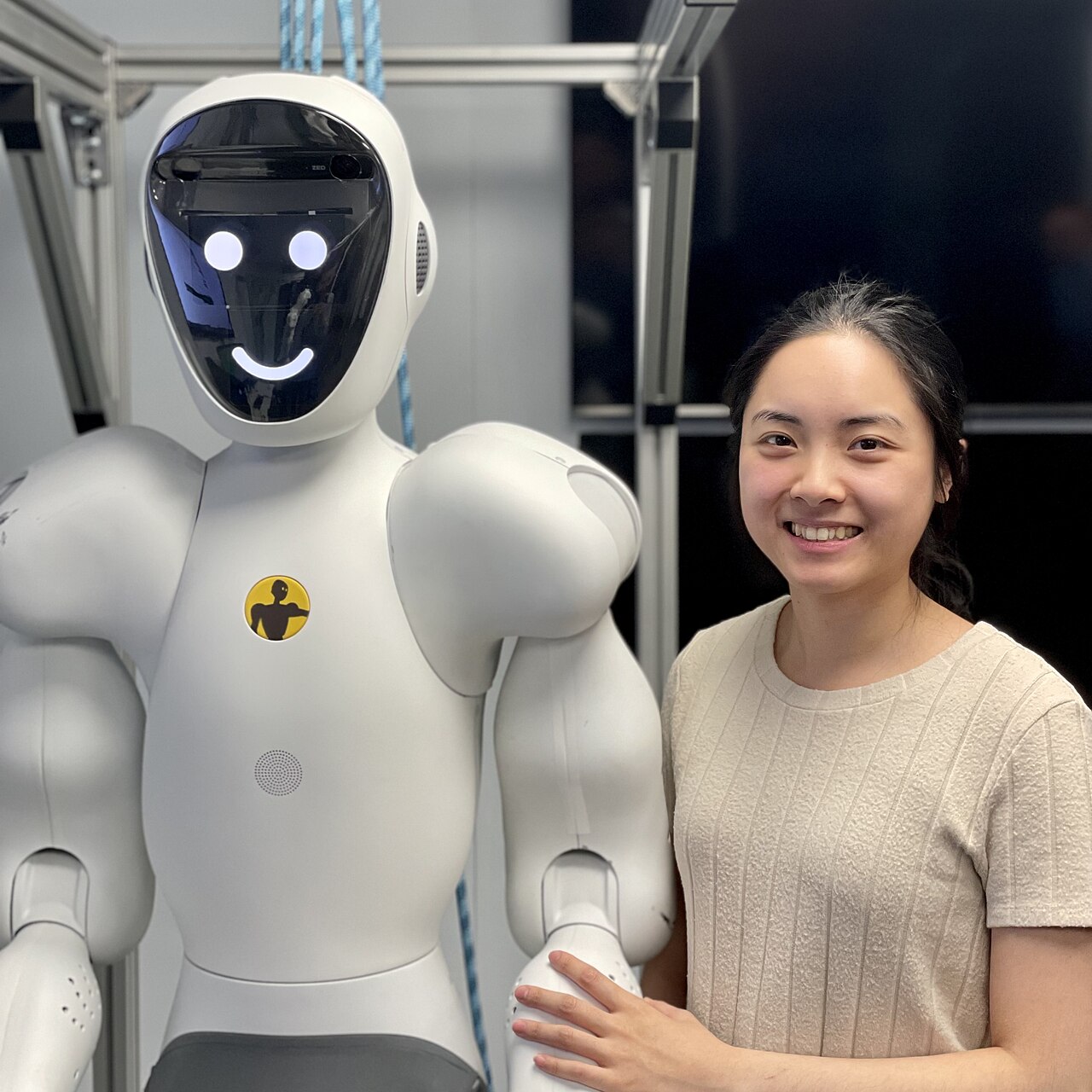
On September 15 2026 Agility Robotics unveiled Digit 5, a humanoid robot that stands 1.81 meters tall and weighs 129 kilograms. It can lift objects up to 22.7 kilograms and is capable of moving freely among human coworkers in a busy warehouse environment. The core promise of this machine is what the company calls cooperative safety: the robot continuously monitors the proximity of nearby people, evaluates the distance, and reacts in a way that is both predictable and unmistakable. It can come to a smooth stop, sidestep to avoid a collision, or even lower itself into a seated squat position, while signalling its intentions through a combination of coloured lights and audible alerts.
How the perception system works
Digit 5 relies on a dense sensor suite that blends lidar, depth‑sensing cameras and force sensors into a single perception engine. This engine runs on Nvidia IGX Thor hardware and uses the Halos for Robotics middleware to process data in real time. When a person steps into a predefined safety envelope, an independent safety controller evaluates the level of risk and decides which response is appropriate. The controller can command a gentle halt, a lateral avoidance maneuver, or a controlled squat that creates a clear physical gap between the robot and the worker.
Cooperative safety versus direct physical collaboration
Agility Robotics distinguishes two modes of human‑robot interaction. Cooperative safety focuses on keeping a safe distance and making the robot’s intentions obvious, while direct physical collaboration would involve the robot handing over heavy loads or assisting in assembly tasks that require force‑controlled contact. Digit 5 is positioned firmly in the cooperative category at present; it does not yet perform force‑controlled hand‑overs. However, its interchangeable grippers are designed for future upgrades, allowing the robot to move into more intimate collaboration once its safety controller has been independently validated for such tasks.
Operating cycle and charging
The robot can work continuously for up to ninety minutes before it needs a nine‑minute fast charge. This 10 to 1 run‑to‑charge ratio means that a warehouse can stagger several charging slots throughout the day, achieving more than twenty hours of cumulative robot activity in a 24‑hour period, provided that enough charging infrastructure is in place.
Guidelines and certification status
Agility Robotics is actively contributing to the development of ANSI/A3 TR R15.108 and ISO 25785‑1, the emerging standards that address collaborative robot safety. While the company’s participation helps shape the final wording of those guidelines, Digit 5 has not yet received a formal certification under the completed standards. Prospective buyers should therefore treat the robot’s safety claims as being aligned with draft recommendations rather than as a fully certified product.
Key steps for early‑stage deployments
- Carry out an independent risk assessment that reflects the specific layout and workflow of the warehouse.
- Validate the robot’s safety controller with a third‑party auditor before allowing unrestricted movement.
- Create clear stop‑procedure protocols and train staff to recognise the visual and auditory signals that indicate the robot’s intended motion.
- Establish a charging schedule that ensures enough robots are available while respecting the nine‑minute recharge window.
Lessons learned from the predecessor
The earlier model, Digit 4, accumulated more than 65 000 hours of operation across a range of client sites, including major logistics and manufacturing firms. Those deployments proved the durability of the hardware platform and generated a substantial data set that informed the safety algorithms now embedded in Digit 5. The experience gained from those real‑world runs gave Agility a solid foundation for refining perception, motion planning and the overall reliability of the new robot.
What organisations must verify
Any organisation planning to introduce Digit 5 should verify that the robot’s safety controller has been independently audited, that the local risk assessment reflects the actual flow of people and goods, and that the visual and audible signaling scheme complies with workplace safety regulations. In addition, they must confirm that the charging infrastructure can sustain the required run‑to‑charge cycles and that staff training programmes cover the interpretation of the robot’s intent signals. Only by checking these points can they ensure that the promised cooperative safety translates into a genuinely safe shared workspace.
Sources
- Agility Unveils Digit 5 Humanoid Robot Built for Cooperatively Safe Work at ScaleAgility Robotics · September 15, 2026
- Agility’s new humanoid robot will stop, squat to avoid harming human coworkersArs Technica · September 15, 2026