AI-generated food photos are unsettling restaurant diners
Restaurants in the US, UK and Netherlands are swapping food photography for AI-generated images to cut costs — but diners say the results look inedible, and some businesses are paying the price.
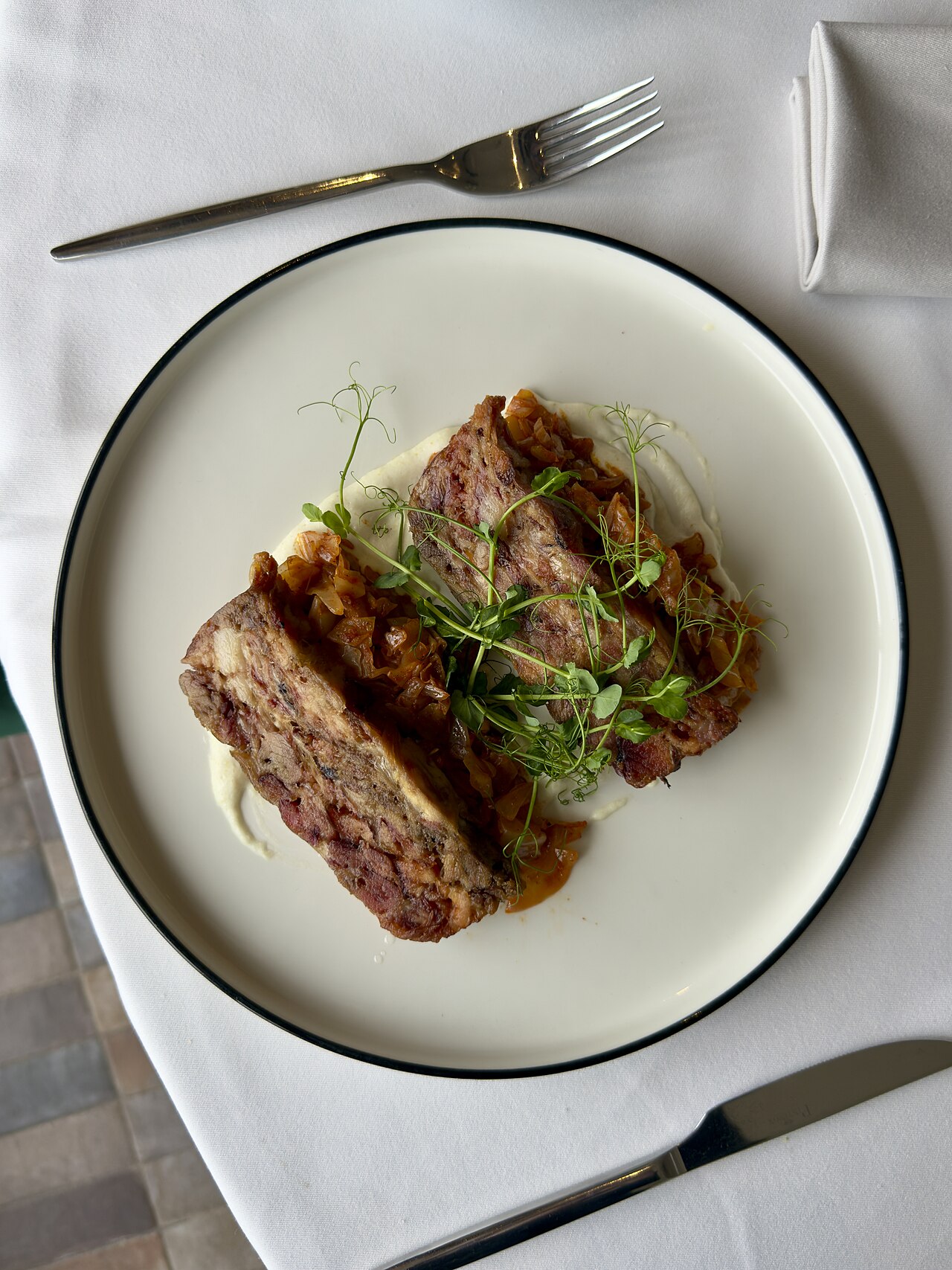
During a lunch break in Denver, nurse Jill Sennett saw something so unappetizing on a restaurant menu that she shared it with her 26,000 followers on X: AI-generated images from a Jamaican barbecue pop-up in which the meat looked like leather belts crawling with tiny beetles. More than 500 people reshared the post, echoing her disgust. "I think it's a bad cultural thing that restaurants are converting to these horrific, uncanny food images that are unappetizing," Sennett told the Guardian. She still ordered chicken and macaroni and cheese — it was one of her only options, and she had eaten there before.
The scene is becoming familiar well beyond Colorado. In San Francisco, vandals graffitied the storefront of the cafe Grind & Unwind after locals identified its menu signage as AI-generated; owner Lyndsey Lozano took the images down and spent an estimated $700 repainting the facade, the Guardian reported. Commenters on a Reddit thread titled "Yum, slop" compared the AI-rendered bread to reptile skin and a loofah. In the Netherlands, Bright.nl reported the same pattern spreading through restaurant marketing there: AI-generated food images that customers describe as unnatural and off-putting, showing up on menus and promotional material at a growing number of venues.
Why restaurants are turning to AI images
The appeal is straightforward: professional food photography is expensive, and AI tools such as ChatGPT are free or nearly free. A 2026 report from the National Restaurant Association found that 26% of restaurant operators already use AI for marketing, inventory management, staff scheduling, menu optimization or taking orders. The manager of Jamaican Jerk and Barbecue Restaurant, the Denver business behind Sennett's photo, confirmed he used ChatGPT for the pop-up's menu images instead of paying a graphic designer, as he does for the restaurant's permanent location.
We decided we would design something that was eye-catching. Restaurant people are trying to be cost-effective.
Why the images repel customers
The backlash centers on texture more than anything else, according to Jamie Soja, a Bay Area photographer who shoots for restaurants and food-delivery services. "The color and texture and the ingredients look kind of off in the way that they're arranged," Soja told the Guardian, adding that AI-generated lighting often looks unnatural too. Research backs up the unease: a 2024 study by Charles Spence, a University of Oxford professor of experimental psychology, found that consumers rated AI-generated food images favorably — until they were told a machine had made them. Once disclosed, the same images became less appealing. Spence also found that AI tends to alter food in predictable, potentially unhealthy ways, such as adding butter to mashed potatoes to make a dish look richer — a nudge he worries could push diners and chefs toward higher-fat portions.
Even people who work with the technology every day react badly. Brandon Hill, chief executive of a design and marketing agency in San Francisco, was put off enough by Bella Cafe's AI-generated signage that he photographed it and shared it with his 86,000 X followers, writing that the images "don't look all that appetizing." AI-generated food imagery, he said, also makes him "skeptical of what the actual meals will look like" — undermining exactly the trust a menu photo is meant to build.
- Texture: bread and meat frequently render like reptile skin, leather or a loofah
- Lighting: AI-generated scenes often look unnaturally staged
- Ingredient arrangement: components can look randomly placed rather than plated
- Added fat: AI models tend to insert extra butter or oil to make dishes look richer
- Disclosure effect: ratings drop once diners learn an image was AI-generated
Some restaurants are turning the backlash into a selling point. Wyoming's Chugwater Soda Fountain went viral on Instagram, with more than 200,000 likes, for a cardboard sign pledging it would never use AI for food photos — posted, ironically, on an AI-powered platform. Hunter Lewis, editor-in-chief of Food & Wine, said restaurants' use of AI should stay invisible to diners: back-office automation is fine, but AI-generated food imagery is "a real turnoff." "The American dining public is smart," he said. "They know what they want, and they know what is real."
What this changes for restaurants and delivery platforms
Food-delivery platforms are now caught in the middle. DoorDash offers restaurants an AI photo tool that adjusts the lighting, color and background of an existing dish photo, and automatically applies an "AI-enhanced" label when it is used; the company says its policies bar restaurants from creating or altering misleading menu images, and that it reviews photos for compliance. But even a trained eye struggles to tell an AI-enhanced photo from a fully AI-generated one, Soja said — a distinction that matters for trust but is nearly invisible to a hungry customer scrolling a delivery app. For restaurateurs squeezed by high food and labor costs, the lesson emerging from Denver, San Francisco and the Netherlands alike is that AI image generation still cannot reliably replace a camera pointed at a real plate: the technology may save on a graphic designer's invoice, but it risks the one thing a menu photo is supposed to build — an appetite. Platforms that want to keep both restaurants and diners on side will need clearer labeling and stricter limits on AI-generated imagery, before more storefronts learn that lesson the way Grind & Unwind did — in spray paint.
Sources
- Uncanny and unappetizing: appetites spoil as AI images take over food menusThe Guardian · September 6, 2026
- AI-menukaarten in restaurants vallen niet in de smaakBright.nl · September 6, 2026