Microsoft data center now uses 1% of all Dutch electricity
Microsoft's oldest Dutch data center used 1.17 TWh in 2025, as a separate Amsterdam project advances despite hyperscale bans meant to protect the grid.

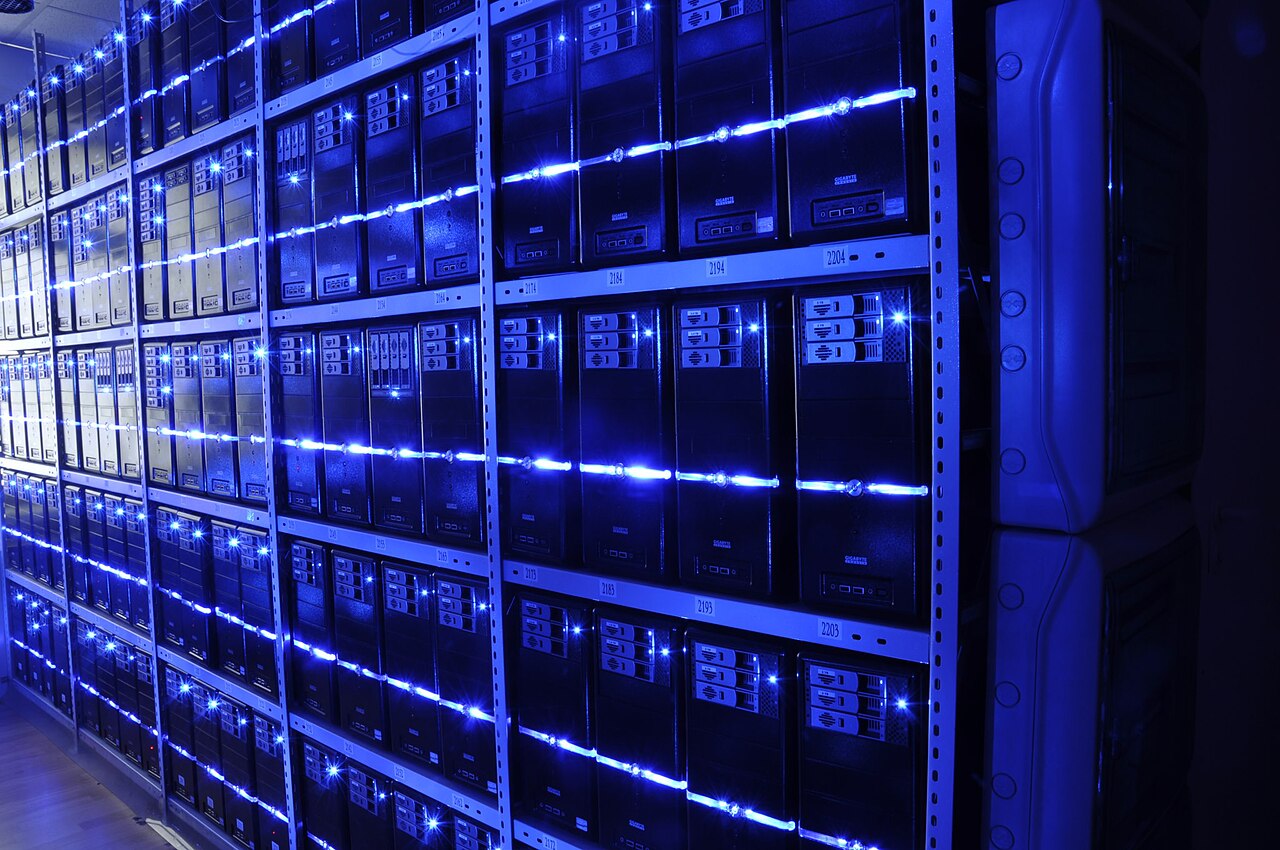
Microsoft's oldest hyperscale data centre in the Netherlands, a cluster of interconnected warehouses in Middenmeer, consumed 1.17 terawatt-hours of electricity in 2025 — more than 1 percent of the country's total consumption of 116 TWh — according to figures the Netherlands Enterprise Agency (RVO) published in July 2026 and reported by NL Times on 14 July. The disclosure follows the EU's Energy Efficiency Directive, in force since 2024, which requires data-centre owners to report their energy and water use. Microsoft is the first major American cloud provider to fully disclose these figures for its Dutch operations.
A billion-euro tower complex built around a ban
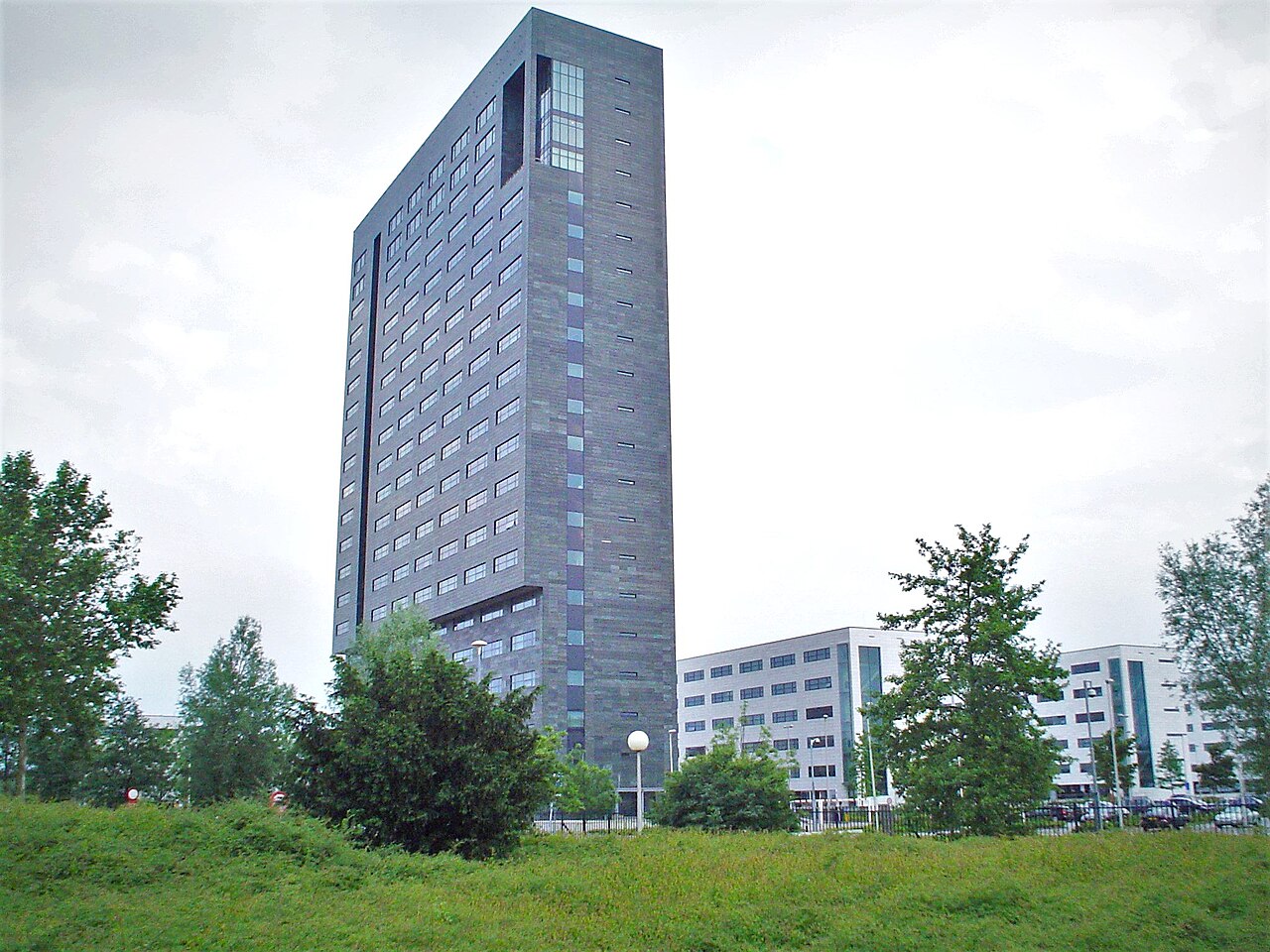
The disclosure comes as Microsoft advances a separate, larger project: a data centre in Amsterdam's western port area, first reported by Dutch Brief on 16 May 2026. The €1 billion complex, consisting of three 85-metre towers, is being built by British developer Pure Data Centres, backed by US investment firm Oaktree Capital Management, with Microsoft as sole tenant. Construction began in January 2026, and the first phase is due to open in 2028. The three towers combined will draw 78 megawatts, roughly as much electricity as every household in the nearby city of Haarlem.
How the project got around two bans
The approval is notable because both the Amsterdam municipality (since late 2023) and the Dutch national government (since 2022) have banned new hyperscale data centres — those exceeding 10 hectares or 70 megawatts — specifically to protect a power grid already under strain. The Amsterdam project proceeds regardless for two reasons, according to Dutch Brief: its original plans date to 2016, before either ban existed, placing it under transitional rules; and the province of Noord-Holland issued separate permits for each of the three towers rather than treating them as one facility, so that each falls individually below the hyperscale thresholds even though combined they exceed the 70-megawatt limit. "From a legal perspective, these three separate data centres do not meet the criteria for a hyperscale," the province said in response to questions from provincial councillors.
A grid running out of room
The timing is difficult for a city already short on power. Grid operator Liander has warned that electricity shortages in Amsterdam will persist until at least 2030, with outages possible in some neighbourhoods as early as 2026, NL Times and Dutch Brief both reported. City officials said at the end of 2025 that plans for 30,000 homes and 50 schools were at risk because there was not enough grid capacity to connect them, with "no quick fixes" available. Data centres already accounted for 4.6 percent of the Netherlands' total electricity use at the end of 2024, according to national statistics agency CBS, and grid operators expect that share to reach around 15 percent by 2030. In the province of Noord-Holland alone, current permit applications point to as many as 92 data centres by 2030. Nationally, more than 14,000 businesses and roughly 7,300 households are on waiting lists for a new or stronger grid connection.
- 1.17 TWh — electricity used by Microsoft's Middenmeer campus in 2025, over 1% of Dutch consumption
- 78 MW — combined draw of the three new Amsterdam towers, just above the 70 MW hyperscale threshold
- 4.6% — share of Dutch electricity used by data centres at the end of 2024, per CBS
- ~15% — share grid operators expect data centres to reach by 2030
- 92 — data centres expected in Noord-Holland alone by 2030, based on current permit applications
- 14,000+ businesses and ~7,300 households on waiting lists for a new or stronger grid connection
A sovereignty debate behind the numbers
Rick Pijpers, a former director at data-centre operator Equinix who now heads the Dutch Sovereign Datacenter Cooperative, told Dutch Brief that American cloud giants are crowding out smaller Dutch and European providers: "Everything is going to the Americans, and there is hardly any grid capacity left for local data centres, which are so important for Dutch industry and the government." The concern is compounded by a report the Dutch competition authority ACM published just a day before the Amsterdam project's approval became public, warning of what it called Dutch businesses' "extreme dependence" on American technology companies for cloud services. Microsoft's Netherlands CEO, Joris Schoonis, countered that 300,000 of the company's customers want their data stored locally under Dutch and EU jurisdiction, arguing that geopolitical tensions are increasing demand for secure domestic storage even when the infrastructure itself is foreign-owned.
What it means for Dutch businesses
For Dutch data-centre operators and the industrial and government clients who depend on local capacity, the Amsterdam approval sharpens a resource fight rather than settling it. As Pijpers warns, every megawatt reserved for an American hyperscaler is a megawatt unavailable to a domestic provider, at a moment when Amsterdam alderman Zita Pels has said the city has no more grid capacity to give and has barred new data centres or expansions until at least 2030, except for projects such as this one that were already in the pipeline. Dutch businesses seeking new or expanded grid connections, from factories to homebuilders, are now competing directly for the same constrained capacity that hyperscale cloud campuses are drawing on.
Sources
- Microsoft data center uses 1% of all Dutch electricityNL Times · July 14, 2026
- Microsoft to Build Massive Data Centre in Amsterdam Despite BansDutch Brief · May 16, 2026