
Instagram expands AI that flags teens who lie about their age
On November 9, 2026, Meta took Instagram's AI age estimation worldwide, placing accounts it suspects belong to teens into Teen Accounts even if they list an adult birthday.
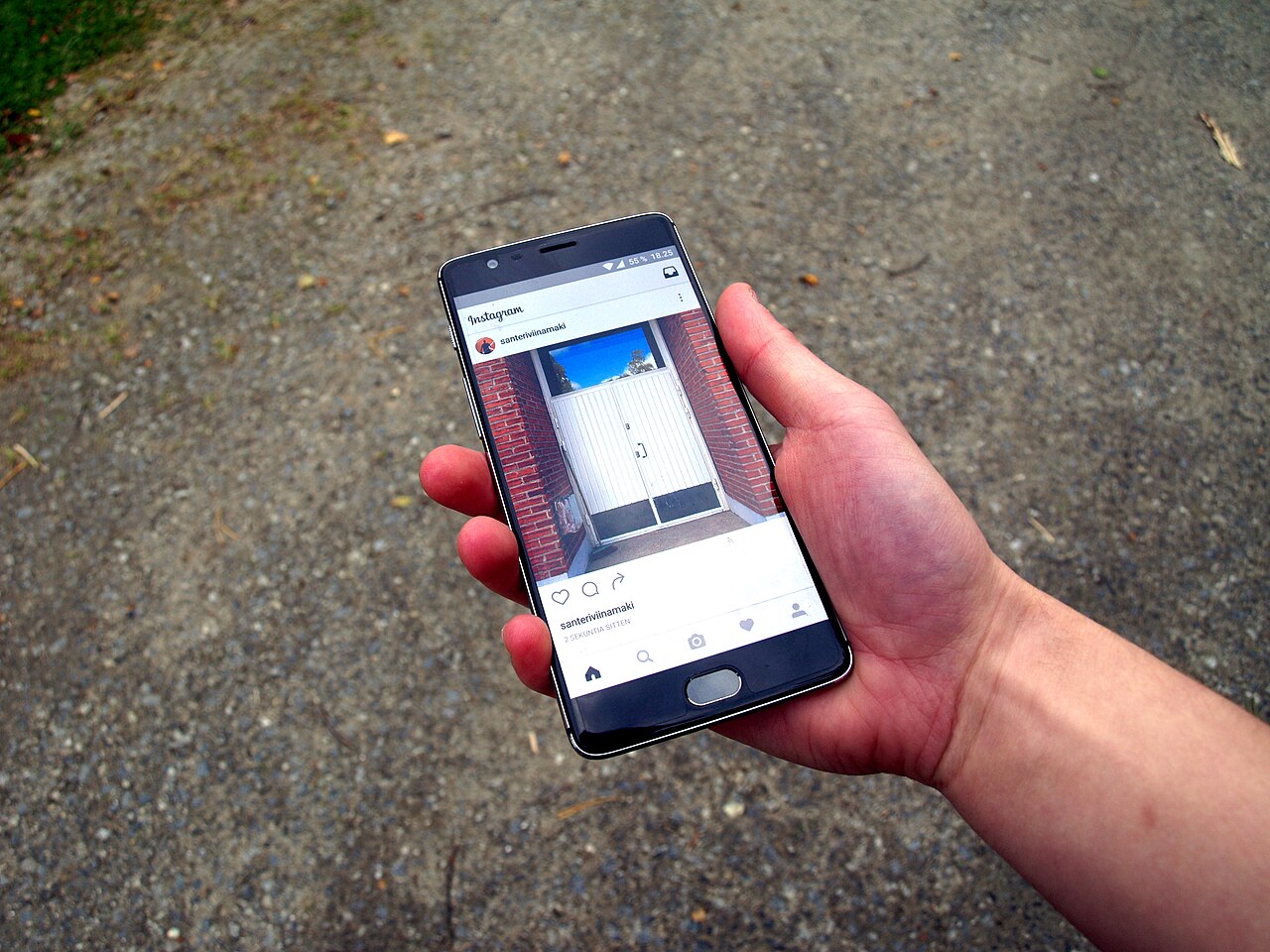
Meta announced on November 9, 2026 that it is expanding its AI-powered age-estimation technology on Instagram worldwide. According to TechCrunch and Pplware, the aim is to identify more teens and place them under Teen Account protections, even when they signed up with an adult birthday. The announcement comes as the company faces numerous lawsuits accusing its platforms of harming young people.
How Instagram's age estimation works
Age estimation is a system that calculates a person's likely age from the signals they leave on a platform, rather than relying only on the birthday they declared. When the system concludes the account holder may be between 13 and 17, the account moves to a more restricted experience.
According to TechCrunch, Meta's tools analyze entire profiles for contextual clues, such as birthday celebrations or mentions of school grades. The company looks for these signals across different formats, including posts, comments, bios and captions.
The same source says Meta also looks at visual cues in photos and videos, including a person's height or bone structure. In a correction cited by the consultancy Captain Compliance, Meta says the AI does not use biometric data, does not create facial fingerprints and does not identify who is in a photo; it is trained on general visual patterns.
Anyone trying to change a birthday from under 18 to over 18 must provide ID or go through Yoti's facial age estimation, according to Captain Compliance, citing Meta. Teen Accounts impose a more restricted experience:
- direct messages only from people the account follows or is already connected to;
- harmful comments hidden;
- accounts private by default.
Why Meta is doing it now
The expansion follows settlements worth up to $18 billion that Meta reached in August with nearly every U.S. state and territory to resolve lawsuits alleging its platforms harm teens. According to TechCrunch, Meta agreed in those settlements to improve how it identifies teens and children under 13.
In a statement, Meta wrote that it will keep proactively ensuring teens have age-appropriate experiences on its apps, strengthening the technology it uses to identify accounts that may belong to 13- to 17-year-olds even if they gave an adult birthday.
According to Captain Compliance, which describes the content of Meta's announcement, Instagram's age estimation had already reached the United States, Australia, Canada and the United Kingdom, and was extended in May 2026 to the 27 European Union countries and Brazil. The November 9 news is therefore the move to the rest of the world.
Meta adds that it is continuing to roll out the technology on Facebook and that a similar global launch is planned for Threads later this year. In the United States, parents will begin to see an in-feed video on Instagram explaining how the company works to ensure their teens are in age-appropriate protections.
What Meta has not said
The measure places suspected teens into protected accounts but does not delete accounts. According to Captain Compliance, citing a correction by The Verge, Meta treats the removal of accounts belonging to children under 13 as a separate process.
As far as the sources consulted show, Meta has not published a model card for its age estimator or an error rate. It is also unclear whether the visual analysis, described in May as available only in select countries, now applies everywhere. The agreement with U.S. attorneys general sets false-positive thresholds, according to Captain Compliance: for Meta's own methods, 14% for ages 16 to 17 and 7% for ages 13 to 15 in the first year, then 10% and 5%.
What this changes for families and businesses
For families, the practical change is that an account opened with a false birthday no longer guarantees the adult experience on its own: if the AI concludes the holder is a teen, the restrictions apply. Because the EU and Brazil were already covered since May, according to Captain Compliance, the direct effect there may be limited, and Meta has not said how many accounts will be reclassified. Brands and agencies that target young audiences should expect narrower reach, since these accounts only receive direct messages from people they are already connected to. In the United Kingdom, Childline offers free support to children on 0800 1111.
Sources
- Instagram vai usar IA para identificar adolescentes que mentem sobre a idadePplware · November 10, 2026
- Meta expands Instagram's AI age-guessing tech globallyTechCrunch · November 9, 2026
- Meta's Global Instagram Age Estimation: What It Uses and What Binds ItCaptain Compliance · November 10, 2026