Etched raises $700m, valuation doubles to $21bn
AI chip startup Etched has raised $700 million at a $21 billion valuation, led by Jane Street after the quant trading firm tested and bought the company's first inference rack.
Etched, a San Jose startup that builds specialised computer systems for running AI models rather than training them, announced on 18 August 2026 that it has raised $700 million in a funding round that values the company at $21 billion. The round was led by Jane Street, the quantitative trading firm, which became Etched's first customer after testing the company's hardware and installing its first delivered rack in its own data centre. Kleiner Perkins, Sequoia Capital, Andreessen Horowitz, Tiger Global, Bain Capital Ventures, Peter Thiel, Blackstone and several other existing investors also took part.
A valuation that has doubled in a month
The pace of Etched's valuation increase is unusual even by the standards of the current AI funding cycle. The company was valued at $5 billion in December 2025, then raised a $300 million Series C at a $10.3 billion valuation in July 2026. One month later, the new $700 million round puts the company at $21 billion — a rise of nearly $11 billion in four weeks. Etched has now raised a total of $1.9 billion since its founding, according to the company's own announcement.
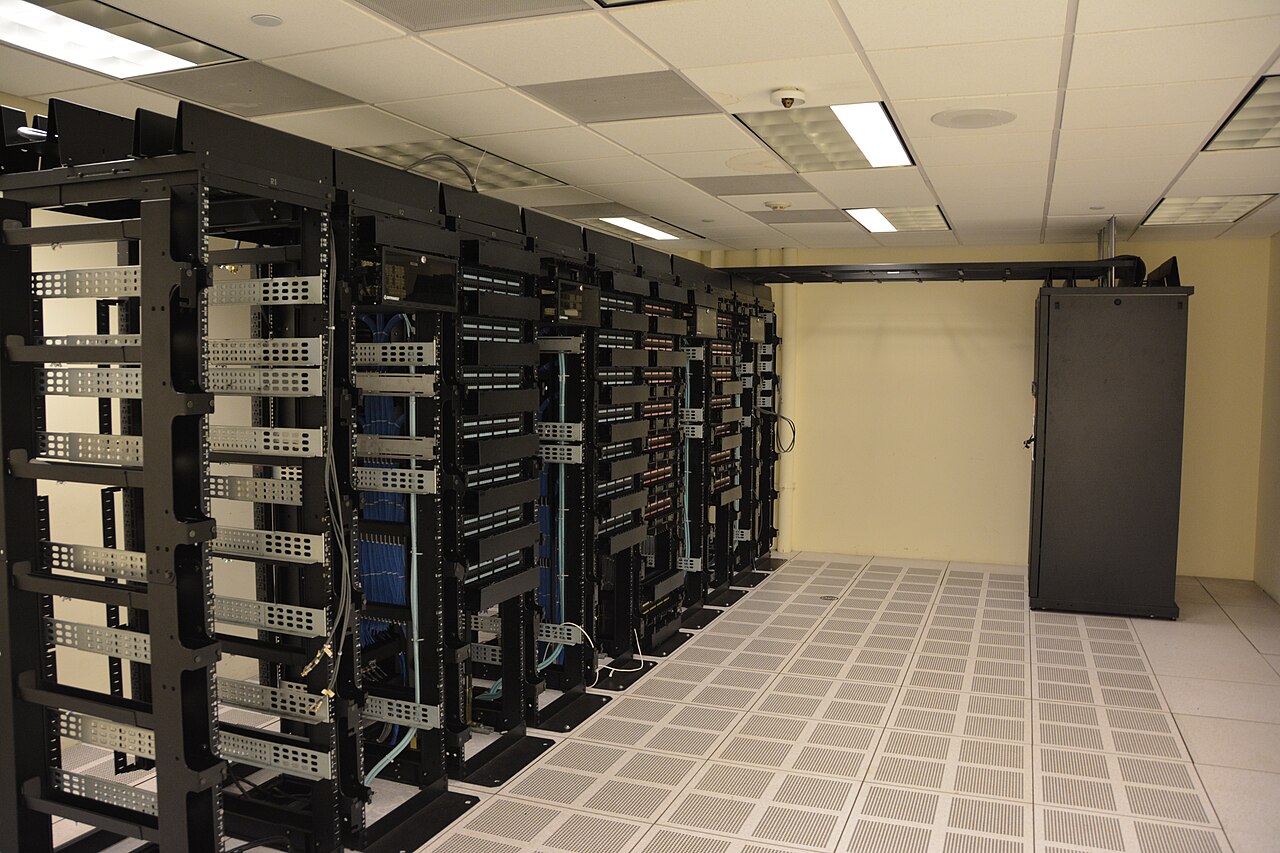
Etched sells what it calls "frontier inference clusters": full rack-scale systems built specifically for inference, the computing process that runs after a user submits a prompt to an AI model, as opposed to training, which is the process of building the model in the first place. An inference chip is a processor designed and optimised for that specific task rather than for general-purpose computing, which is why Etched pitches its hardware as an alternative to the general-purpose graphics processing units, or GPUs, that Nvidia dominates the market with.
Two components built from scratch
According to Etched co-founder and chief operating officer Robert Wachen, investor enthusiasm centres on two pieces of hardware the company designed itself to speed up the two stages of inference: "prefill", where the system processes and understands an incoming prompt, and "decode", where it generates the output tokens the user actually sees. Etched built what it calls a Low Voltage Inference chip for the prefill stage, which it says packs in more transistors than rival designs without the heat problems that usually come with that density, allowing it to process more tokens per second. For the decode stage, Etched built a new memory and interconnect system called Cluster Scale Memory, which lets many chips share a single, very fast, low-latency pool of memory rather than each chip working with its own separate memory.
Etched had originally suggested that its chips would be etched, in silicon, to run a single specific AI model — the origin of the company's name. Co-founder and chief executive Gavin Uberti said that plan has since changed: the company's current systems can run any major AI model, including large mixture-of-experts systems and non-transformer architectures, giving customers more flexibility than the original one-model-per-chip pitch implied.
Jane Street's rack, and what comes next
In a statement carried in Etched's funding announcement, Jane Street said: "We tested the chip and are pleased with the early results. Etched's unique approach to inference delivers the precision we will need to support our most demanding workloads. We're excited to now have our own rack running in our data centre." Etched said it shipped that first rack to Jane Street last month, and that the firm is now actively running production workloads on it.
- $700 million raised in the new round, led by Jane Street
- $21 billion post-money valuation, up from $10.3 billion in July 2026
- $1.9 billion raised by Etched in total since its founding
- $1 billion-plus in customer contracts already signed, according to the company
- Jane Street: first customer, running the first delivered rack in its own data centre
- Core technology: a Low Voltage Inference chip for the prefill stage of inference, and Cluster Scale Memory, a shared high-speed memory pool across the cluster, for the decode stage
Etched said it is now building three generations of its hardware in parallel as it works to scale up production for the rest of its customer base, which spans public and private AI companies as well as cloud providers. Kleiner Perkins managing partner Mamoon Hamid, whose firm has also backed Anthropic, Databricks and Waymo, said in the announcement that "inference is becoming one of the most important infrastructure markets in AI, and the winners will be measured by tokens per dollar and per watt" — a framing that puts Etched's chips in direct competition with the inference-optimised hardware that Nvidia, AMD and a wave of other specialised chip startups are also racing to build.
What it means for the UK and European AI infrastructure market
For British and European buyers of AI infrastructure, Etched's rapid rise adds a credible, if still small, alternative to Nvidia at a moment when inference — not training — is becoming the larger and more persistent cost for companies running AI products in production. Jane Street's London operation is one of the City's largest quantitative trading firms, and its decision to deploy Etched hardware in its own data centre gives European financial and technology firms a concrete reference point for a supplier that, until this year, existed mostly on paper. Wider availability of specialised inference clusters would matter most to UK and EU firms currently paying premium prices for general-purpose GPU capacity to run models they have already trained, at a time when data centre power constraints across Britain and continental Europe make efficiency per watt, one of Etched's central claims, a directly relevant metric for procurement decisions.
Sources
- Etched's valuation doubles to $21B in a monthTechCrunch · August 18, 2026
- Etched Raises $700M at a $21B Valuation and Completes First Customer Delivery to Jane StreetGlobeNewswire (Etched) · August 18, 2026