Cisco and NVIDIA Enable Splunk AI for On‑Premises, Private Cloud and Air‑Gapped Deployments
Cisco and NVIDIA have announced a pre‑validated architecture that lets organisations run Splunk AI on‑premises, in private clouds or isolated environments. The Cisco AI POD for Splunk integrates the Splunk Enterprise platform with Cisco Secure AI Factory, NVIDIA acceleration and Red Hat OpenShift, while new observability tools give deeper insight into AI workloads and token consumption.
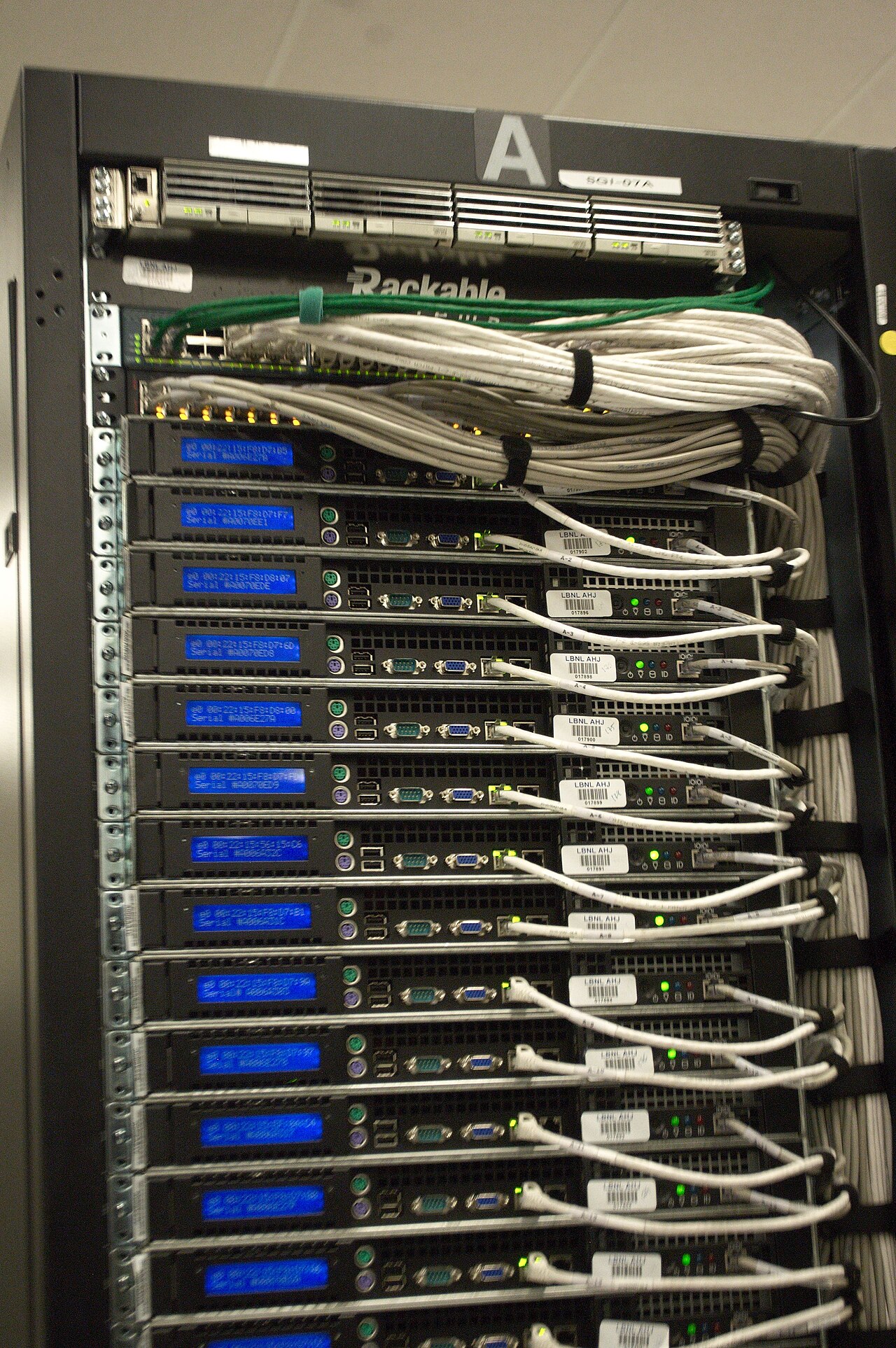
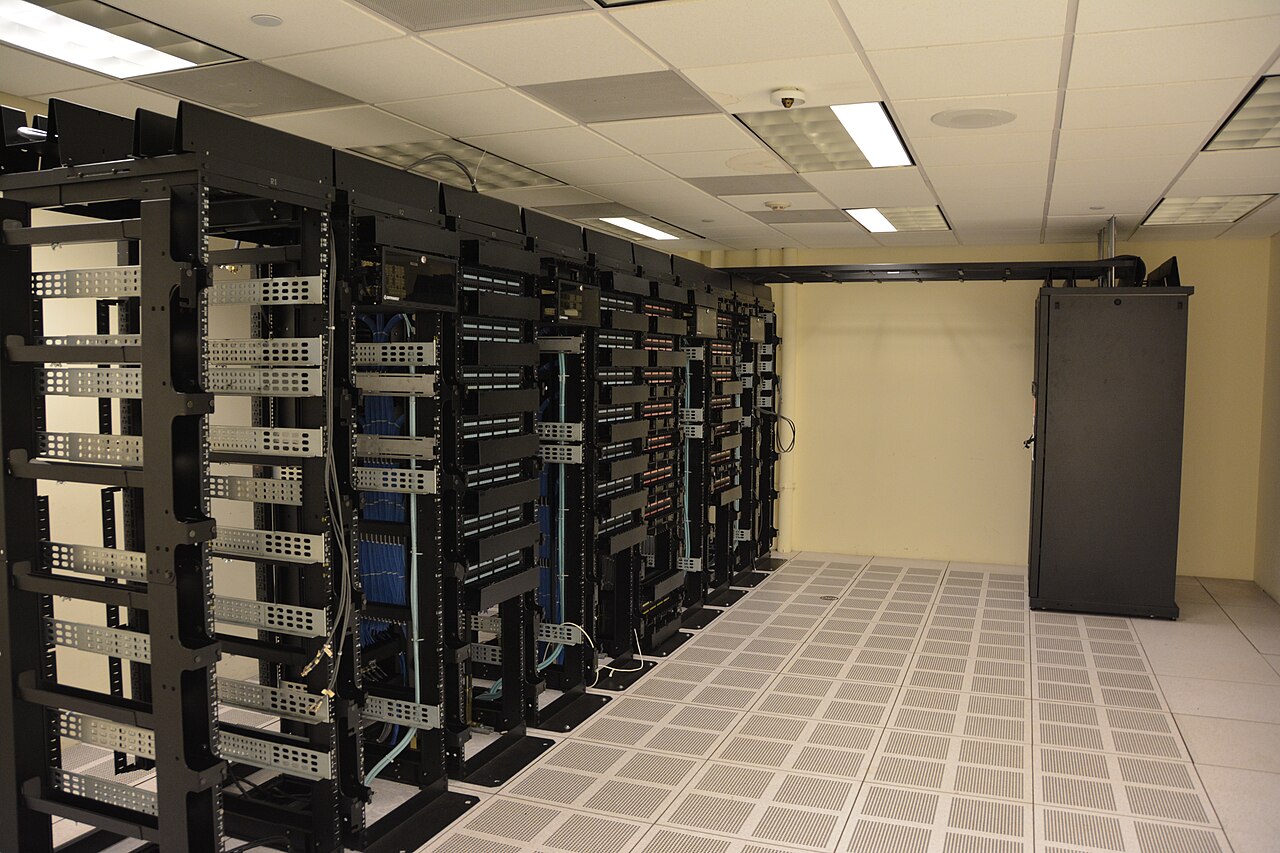
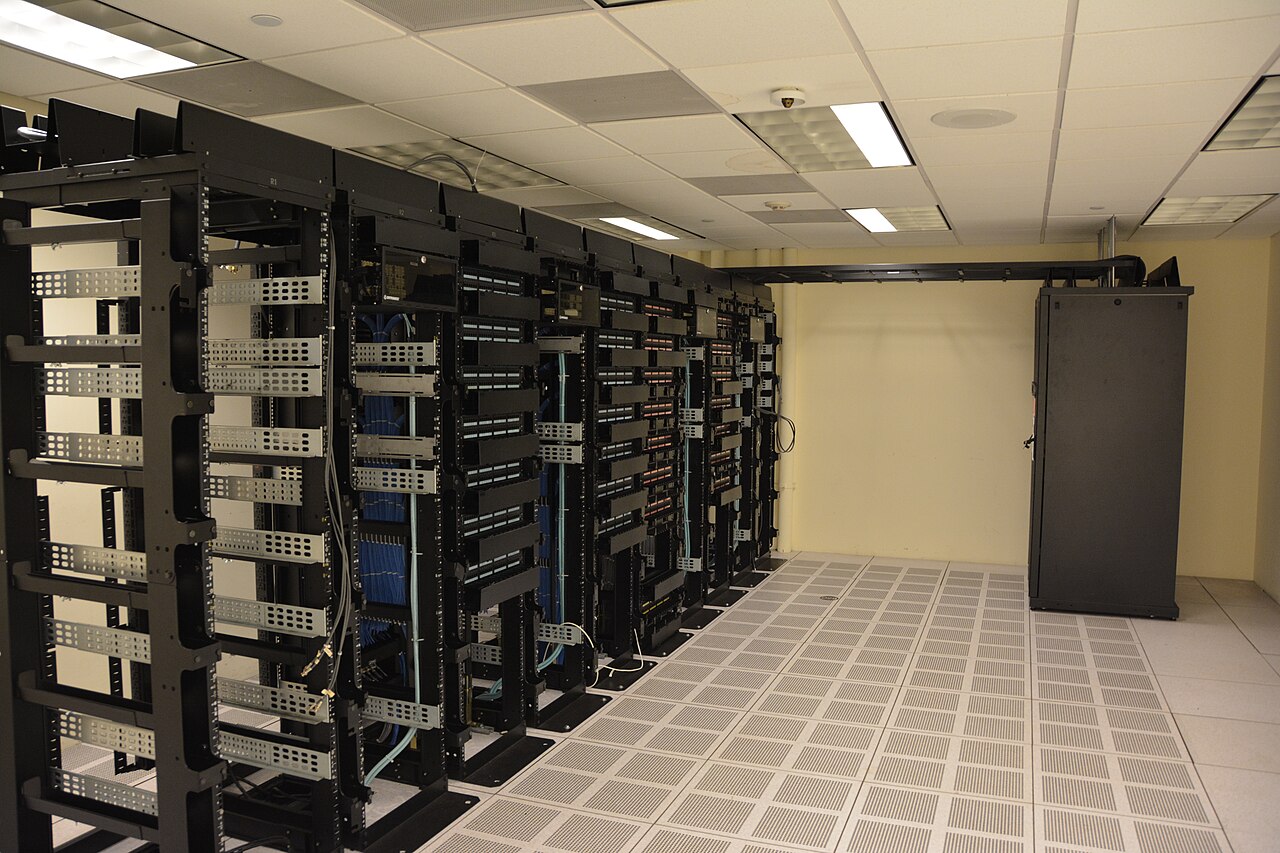
Cisco AI POD for Splunk adds a dedicated AI‑ready stack to the existing Splunk Enterprise offering. The solution combines Cisco’s AI execution software, Cisco‑branded infrastructure, NVIDIA GPUs and a Kubernetes‑based runtime managed through Red Hat OpenShift. According to Cisco, the architecture is designed to run in traditional data‑centres, private cloud installations and even air‑gapped environments where external connectivity is prohibited. By bundling these components, Cisco aims to give organisations the flexibility to choose the deployment model that best matches their regulatory and operational constraints, while still benefiting from the same underlying performance guarantees.
**Pre‑validated Architecture** The announced stack bundles several components that Cisco says have been tested together for performance and security. It includes the Cisco Secure AI Factory, which now hosts Splunk as a trusted AI workload, and NVIDIA hardware that provides the compute power required for large language models. The solution also supports a range of open‑source models such as the Deep Time Series Model, Google Gemma 4, OpenAI GPT‑OSS 20B and upcoming NVIDIA Nemotron releases. Cisco emphasizes that each piece of the puzzle has been validated in joint testing labs, meaning customers can skip the lengthy integration phase that typically accompanies multi‑vendor AI deployments.
What the announcement says
**Observability Enhancements** In parallel with the AI POD, Cisco introduced new observability capabilities for Splunk agents. The Splunk Agent Observability suite monitors GPU utilisation, vector database activity, memory pressure and orchestration health. It can also enforce execution guardrails, helping operators detect anomalous behaviour before it impacts production. These guardrails include automated alerts when model latency exceeds predefined thresholds, as well as policy‑driven throttling that prevents runaway token consumption. By surfacing these metrics in real time, the suite gives teams the data they need to fine‑tune workloads and maintain service‑level agreements.
The limits that still matter
**Tokenomics Tracking** A notable addition is the Tokenomics feature, which attributes token consumption to specific models and usage patterns. Cisco states that the function tracks usage of Claude Code, Codex and Cursor, providing organisations with a clearer view of AI‑related expenses and enabling budgeting for future deployments. The granularity of the data allows finance teams to map token spend back to individual projects or business units, making it easier to justify AI investments and to spot unexpected spikes that could indicate misuse or inefficiency.
- Full control over data residency and security in isolated environments
- Access to high‑performance NVIDIA GPUs without leaving the data‑centre
- Integrated monitoring of AI workloads and token costs
- Compatibility with a broad portfolio of open‑source models
- Seamless integration with existing Splunk Enterprise pipelines
What organizations should verify
**Roadmap and Availability** Cisco confirmed that the AI POD for Splunk and the Splunk AI Assistant are available immediately for qualified customers. A further component, the Agent Launchpad, is expected later in 2026 and will extend the observability suite with automated deployment templates. Network World notes that the solution aligns with growing demand for sovereign AI infrastructure, but reminds readers that customers retain responsibility for placement, security hardening and ongoing operations.
**Analytical Perspective** From an operational standpoint, organisations will need to evaluate GPU capacity versus energy consumption, the level of vendor support for firmware updates, and the skill set required to manage a Kubernetes‑based AI stack. The air‑gapped option offers strong isolation but may increase the complexity of model updates and security patching. Conversely, private‑cloud deployments can leverage existing automation pipelines while still meeting compliance requirements. In each scenario, the trade‑off between control and convenience must be weighed carefully.
**Final verification checklist for English‑speaking enterprises** Before committing to the Cisco AI POD, organisations should confirm that their data‑center locations satisfy the residency clauses outlined in the solution’s licensing agreement, verify that the selected NVIDIA GPU models are supported by the current Red Hat OpenShift version, and ensure that internal security teams have reviewed the Cisco Secure AI Factory hardening guidelines. It is also essential to map the Tokenomics reporting to existing cost‑allocation frameworks, test the observability alerts in a staging environment, and document a clear process for applying firmware and model patches in air‑gapped deployments. Completing these checks will help guarantee that the promised performance and compliance benefits are realised without unexpected surprises.
Sources
- Cisco Delivers Trusted AI at Scale Through New Splunk AdvancementsCisco · September 15, 2026
- Cisco brings Splunk AI on premises, expands agent observability, monitors token costsNetwork World · September 15, 2026