Bill Gates coins 'Human Reserved' term for jobs shielded from AI
In an essay published August 26 on GatesNotes, the Microsoft founder warns that the transition to AI will be 'one of the most turbulent times in human history' and proposes reserving certain jobs for people.
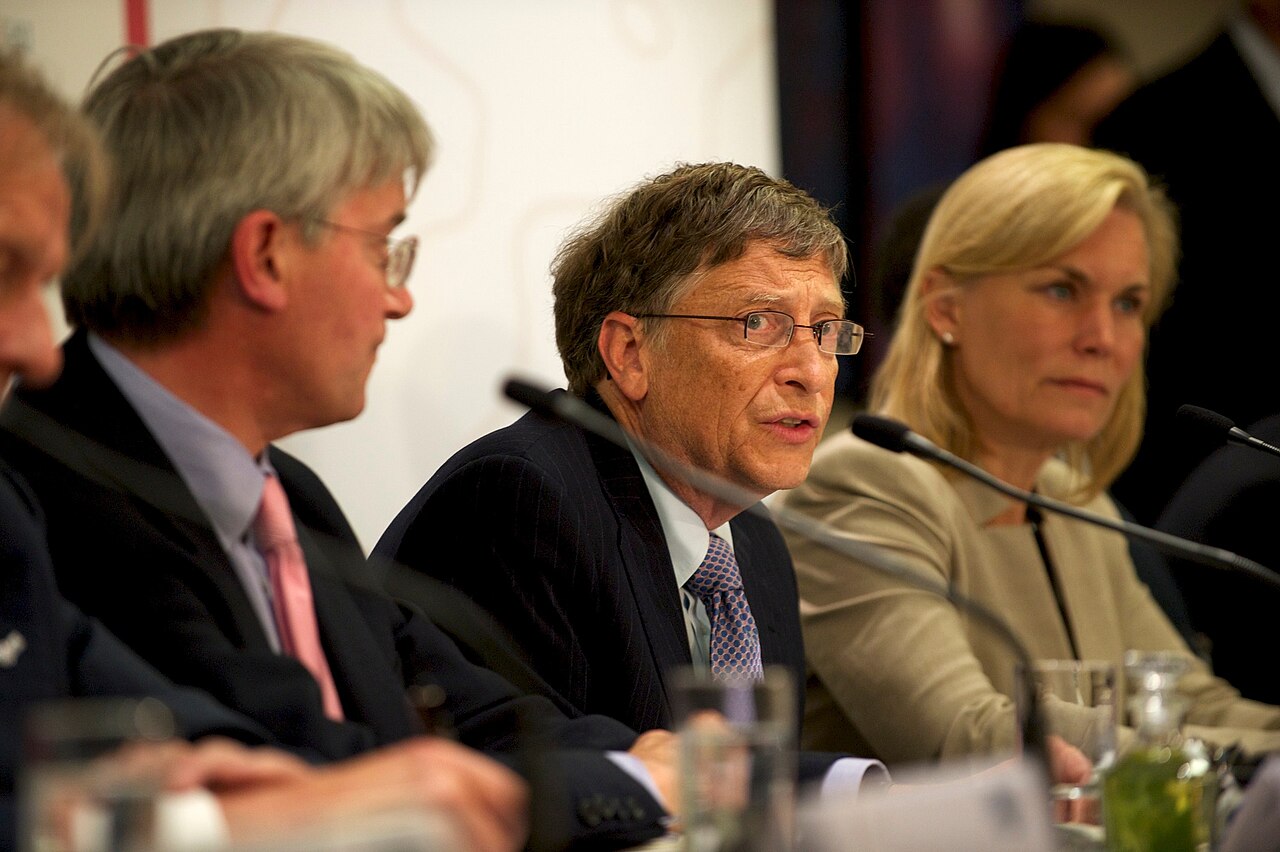
Bill Gates, founder of Microsoft, published an essay on his personal website GatesNotes on August 26, 2026, titled "The turbulent AI era is here. The choices we make now are critical," in which he warns about corporate decisions that are starting to prioritize the technology over people.
In terms of equity, AI will either be the greatest equalizer ever invented, or the worst source of injustice. The challenge is monumental. Even under the best circumstances, the transition to this new AI era will be one of the most turbulent times in human history.
"There is no plan" to ease the entry into the AI era
Gates says he sees no evidence that leaders, experts and communities are confronting the challenges adequately: "I don't see evidence that leaders, experts and communities are confronting the challenges adequately. There is no plan to ease the entry into the AI era," he wrote. He believes many commentators are underestimating the scope of AI's impact, in part because of current reliability issues and misleading analogies to the impact of past technological innovations, which he says are not comparable in scale.
Gates acknowledges his potential bias as a tech mogul and chairman of the Gates Foundation, which also deploys AI in its programs. But he states his views are not driven by personal financial interest: "my views on AI are not motivated by the potential to make more money for myself," he wrote, adding that profits generated from his investments will go to the Gates Foundation to tackle inequity.
For as long as I can remember, I've wished innovation could happen faster. With AI, my feelings are more complicated. I wish the world could get the benefits rapidly and delay the problems it will cause as long as possible, but the benefits and problems are arriving at the same time.
Gates says the people who need the most time to prepare are the ones who have the least: "the accounting worker who's replaced by a bot or the $20-an-hour worker who loses their job to a $10-an-hour robot." He expects an impact on industries such as law, customer service, medicine, software and manufacturing over the course of a decade, with new jobs emerging that, without the right policies, will be far fewer than exist today.
Gates added that if someone had a credible plan for slowing down AI advances globally, he would likely support it, but he doesn't think that's going to happen: "The geopolitical and economic incentives are pushing too hard to go full speed ahead," he wrote.
The 'Human Reserved' concept
This is where Gates introduces the central concept of his essay: "Human Reserved," tasks that machines would be fully capable of performing but that we deliberately choose to reserve for humans, much like a nature reserve.
We might set something aside as Human Reserved for economic reasons. For example, we may do it because allowing machines to take over a certain role will displace a large number of people who can't easily change jobs. Sometimes the decision to make something Human Reserved will be driven by other factors. In health, for example, imagine a robot giving you the awful news that you have an incurable disease. There's no technical reason why it couldn't. Yet it shouldn't.
Gates says the "Human Reserved" domain will evolve over time and vary from country to country: "Some countries might insist on having humans take care of the elderly. But a country like Japan, which has a shrinking workforce and not enough young people to care for the old, may welcome a caregiving robot," he wrote.
- New national and global institutions to manage the transition
- A category of jobs reserved exclusively for humans
- A tax on AI and robots
These are the three paths Gates proposes for managing the transition. He acknowledges, however, that he doesn't have ready-made answers about who would decide which roles to reserve, by what criteria, how to stop companies from skirting those rules, or how these dynamics would affect international trade. According to Gates, those questions "will need to be worked out in public as part of the transition plan."
What it means for the workforce
For employers and policymakers, the debate Gates reopens touches sectors where human employment remains massive and where AI automation is advancing quickly: customer service, healthcare and, increasingly, elder care in societies that are themselves aging. The idea of reserving certain roles for humans — or introducing a tax on automation — raises concrete questions: which jobs would merit that protection, and who would fund the transition if technological substitution outpaces the labor policies meant to accompany it.
Sources
- Bill Gates pide 'guardar' trabajos para humanos y acuña el término 'Human Reserved'Expansión · August 31, 2026
- Bill Gates calls for human reserved jobs amid AI workforce changesFox Business · August 26, 2026