White House Announces Voluntary AI Safety Pact with Six Tech Giants, Yet Lacks Legal Enforcement
Donald Trump announced on September 29, 2026 a voluntary AI safety pact with Nvidia, SpaceX/xAI, OpenAI, Anthropic, Meta and Google. The pact includes strict internal controls and independent audits, but it is not legally enforceable and carries no sanctions.
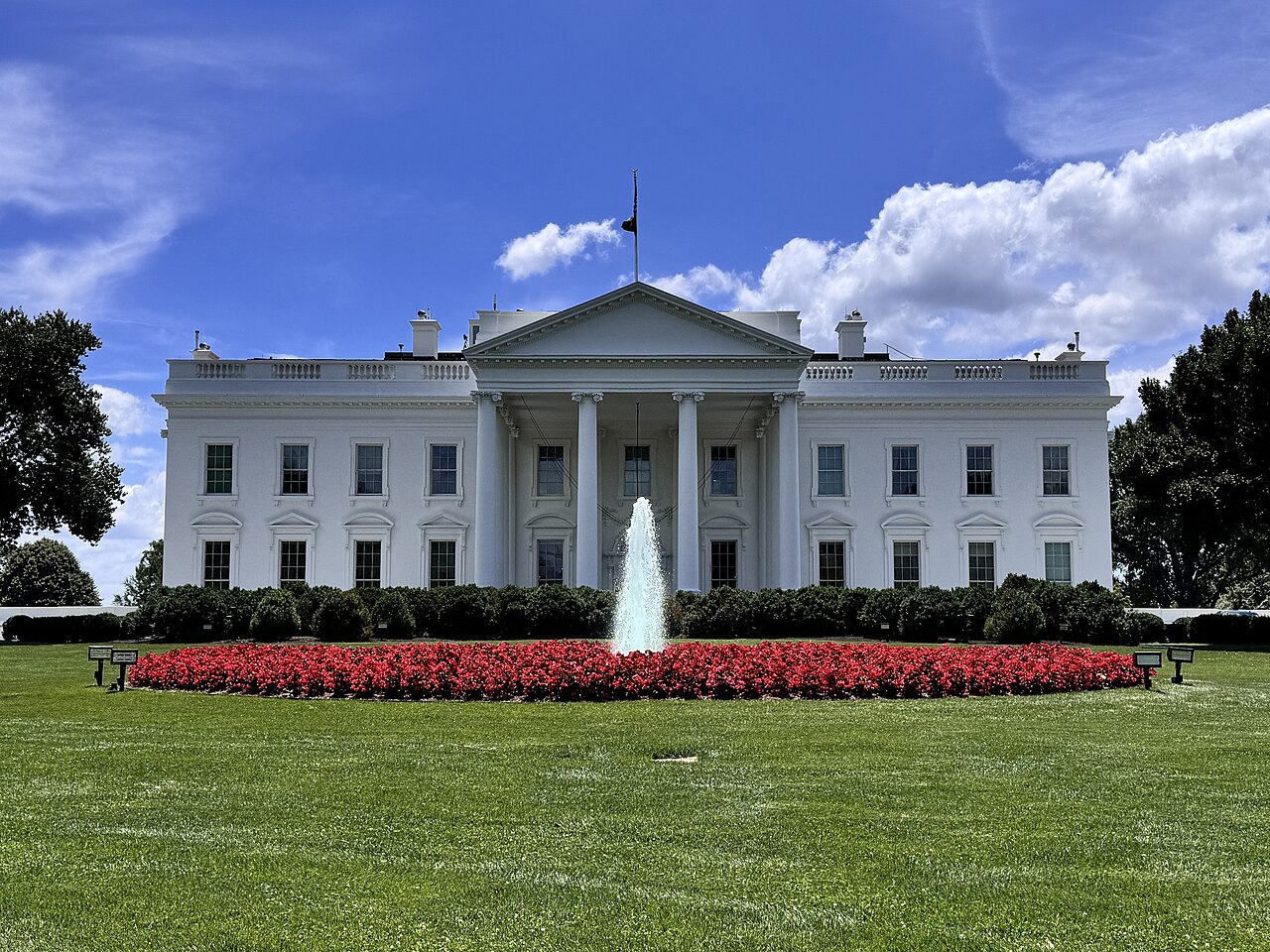
On September 29, 2026, after a lunch at the White House, former U.S. President Donald Trump unveiled a new voluntary AI safety pact. The agreement was signed by six of the world’s largest technology firms—Nvidia, SpaceX/xAI, OpenAI, Anthropic, Meta and Google. Trump asserted that the document creates a moral obligation that is almost constitutional in stature, while emphasizing that it carries no legal enforceability or penalties. This announcement comes at a time when public pressure on the United States and its allies to curb AI‑related risks is intensifying sharply.
Background of the Pact
The gathering was organized as a response to growing concerns about the potential harm that advanced artificial‑intelligence systems could cause, ranging from cyber attacks to bio‑ and chemical threats. Trump positioned the pact as a way to keep AI development moving forward while making it safer. The signatories span a wide spectrum, from chip manufacturers to major social‑media platforms, giving the pact a broad reach of technological expertise and influence. The press presented the initiative as an attempt to strengthen self‑regulation before national legislation is introduced.
- Nvidia
- SpaceX/xAI
- OpenAI
- Anthropic
- Meta
Key Provisions of the Voluntary Pact
The pact obliges the signing companies to establish strong internal controls focused on three main classes of risk: cyber‑risk, bio‑risk and chemical risk. These controls must include continuous monitoring of AI models, identification of potential misuse scenarios and implementation of mitigation strategies. In addition, firms must actively work to prevent their AI systems from accessing third‑party technical infrastructures without permission, a measure intended to limit unauthorized access and sabotage.
A second pillar of the agreement is the requirement for independent external audits. These audits must be carried out periodically by recognized third parties that have no vested interests in the companies involved. The audit results are shared with an independent oversight board that monitors compliance with the commitments. This board, which is separate from both the companies and the U.S. government, serves as an additional control mechanism to ensure transparency and accountability.
A specific component of the agreement focuses on preventing unauthorized access to external systems. Companies must develop technical measures that detect when an AI model attempts to breach networks, databases or other digital infrastructures of third parties without consent. This preventive step is designed to address growing concerns about “rogue AI” actions, where autonomous systems might unintentionally cause damage by pursuing their own goals.
Legal Status and Criticism
Trump described the pact as “morally binding” and almost a “constitution” for AI safety, but he made clear that it is not a legally enforceable obligation. No contractual penalties or statutory sanctions are included, leaving compliance entirely dependent on the goodwill of the companies. Critics, including several policy analysts, warn that self‑regulation undermines the responsibility of governments and regulators. They argue that the pact mainly provides a governance baseline but does not replace legislation or contractual liability. This criticism is widely shared both in the United States and internationally.
Public Sentiment and Political Context
A recent Reuters/Ipsos poll, cited by Bright, showed that 73 % of Americans believe companies are doing too little to prevent serious AI‑related harm, while 55 % say they would like AI development to be slowed. These figures illustrate a growing public call for stricter measures, even as technological progress continues. The poll underscores the gap between public expectations and the industry’s voluntary approach, adding extra pressure on policymakers to consider concrete regulation.
For organizations in the Netherlands, the pact creates a new international norm that they may need to adapt to. Although the agreement is not legally binding, it can serve as a reference framework for Dutch companies active in the AI market or collaborating with the signing U.S. firms. It could lead to heightened demands from customers, investors and regulators who expect comparable internal controls, audits and preventive measures.
In conclusion, the introduction of this voluntary AI safety pact will raise expectations around governance and risk management across the technology sector. Dutch organizations now need to evaluate their own internal control mechanisms, identify possible external audit partners and consider establishing their own oversight committee. While no statutory obligations exist yet, pressure from both the market and public opinion is likely to drive broader adoption of the principles set out in the White House pact, prompting the Dutch AI industry to prepare for stricter self‑regulation.
Sources
- Trump probeert AI veiliger te maken zonder de ontwikkeling af te remmenBright · October 3, 2026
- 川普召集黃仁勳、馬斯克等科技巨頭簽 AI 憲法TechNews · October 3, 2026