Tesla workers push back as Optimus training expands
Tesla workers asked to supply movement data for Optimus training reportedly objected to helping develop machines they believe could replace them, as production hurdles persist.
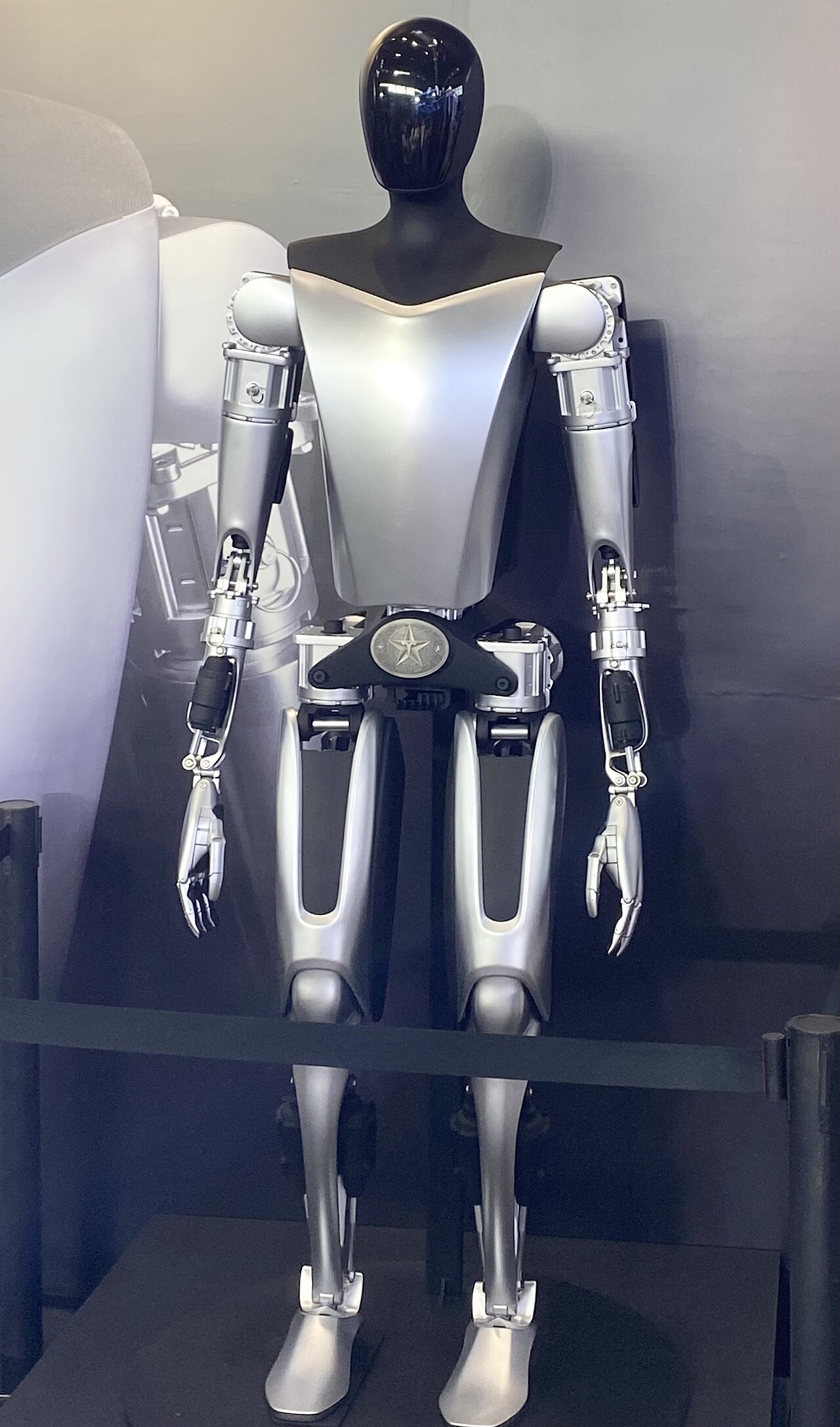
On September 26, 2026, reports described Tesla workers pushing back against requests to help train the company’s Optimus humanoid robots, amid wider manufacturing and software difficulties for the project. According to reporting cited by Ars Technica and INSIDE, Tesla had factory employees in Texas and California wear special suits that recorded their movements while they worked. The data was intended to support imitation-learning systems for robots. Some workers reportedly objected because they understood the machines were being developed to eventually replace human roles.
Tesla has reportedly responded by moving much of that data-collection work to dedicated teams and by setting up training hubs. The accounts do not specify how many workers declined, how frequently the suits were used, or the terms offered to employees participating in the program. Tesla had not provided a public response in the source material. Still, the reported resistance exposes a practical labor issue in a strategy that depends on humans demonstrating the physical tasks robots are expected to learn.
From car lines to robot production
The labor dispute is unfolding during a substantial shift at Tesla’s Fremont factory in California. The Information, as summarized by Ars Technica, reported that the company stopped producing the Model S sedan and Model X SUV there in May 2026. Line workers and engineers were then moved onto Optimus-related work. That transition reflects Elon Musk’s larger bet that Tesla’s future will rest increasingly on artificial intelligence and robotics rather than solely on electric vehicles.
Musk described Optimus as potentially Tesla’s biggest product ever during the company’s second-quarter 2026 earnings call. At the same time, he acknowledged that building an autonomous humanoid able to perform many different tasks is among the hardest problems to solve. That tension is visible in the reported state of the program: Tesla is said to be building hundreds of robots per week, while still confronting precision assembly problems and relying on people for critical parts of the manufacturing process.
- Workers in Texas and California reportedly wore motion-recording suits to generate training data.
- Tesla reportedly shifted data gathering toward dedicated teams after some employee objections.
- Optimus V3 hands and forearms still require manual assembly of more than 100 small parts.
- Reported production is in the hundreds of units a week, below Tesla’s stated scale ambitions.
Hands remain a manufacturing bottleneck
The newest version, Optimus V3, has presented particular development and production challenges. The Information reported difficulties getting production equipment to align components precisely and limits on how fast the line can operate. Robot parts are smaller than automotive components and require tighter assembly tolerances. INSIDE similarly reported that adapting an automotive production line does not mean its capacity can simply be transferred to robot manufacturing, because the precision requirements are materially different.
The hands and forearms are a central example. Together, they contain more than 100 screws and other small components, and workers must still assemble them manually, according to the reports. That reliance matters because Tesla’s intended output targets require repeatable, rapid production. Ars Technica said Tesla was targeting more than 1,000 robots per week by the end of 2026. INSIDE cited a much higher weekly goal of 20,000 units. The source material does not resolve whether those figures refer to different timeframes or plans.
Newly assembled robots have also reportedly required immediate fixes. Touch sensors in the hands have been unreliable enough that Tesla developed a glove-like sensor layer designed to be replaced without changing the entire hand. INSIDE reported that V3 is lighter and carries more cameras than prior versions, but does not yet include the sensor glove still under development. The reports point to a design intended to simplify maintenance, while also showing that key durability and serviceability questions remain open.
Specific tasks, controlled settings
The reported limits are not confined to hardware. Sources cited by The Information said Optimus still requires programming for specific tasks in carefully controlled environments, rather than operating as a broadly capable general-purpose robot. The available accounts say its current use remains limited to selected internal Tesla areas and tasks. They do not establish that Optimus can yet perform a wide range of work safely and independently around people in ordinary workplaces.
That distinction is important for workers asked to contribute training examples. Imitation learning can require extensive recordings of people performing manual actions, especially where robots must visually recognize objects and coordinate delicate movements. But collecting demonstrations is only one part of deployment. A robot must also interpret changing conditions, manipulate objects reliably, withstand repeated use and operate without creating hazards. The reports indicate that Tesla is still working through each of those constraints.
Tesla is not alone in confronting those challenges. Industrial robots have long performed specialized tasks, particularly as fixed robotic arms in factories. Humanoid designs are being pursued because they could, in theory, work in spaces built for people and handle a broader mix of tasks. Competitors include automakers and robotics companies in China, Japan and South Korea. Toyota plans major investment in factory robotics, including some humanoids, while Hyundai plans to deploy up to 25,000 Atlas humanoids developed by its US subsidiary Boston Dynamics over the coming years.
For workers in California and Texas, the immediate issue is less the long-term promise of humanoid robotics than the terms of participation in its development. The reported creation of dedicated training teams may reduce pressure on production employees, but it does not settle the underlying concern about job displacement. In California, where Fremont has moved away from two longstanding vehicle models, the Optimus program now makes that question especially concrete: employees are helping build a new line of work while assessing what it may mean for their own.