Rabbit launches OS3, a cloud‑based AI agent that works without the R1 hardware
On September 22, 2026 Rabbit released OS3, a multi‑platform AI‑agent system that runs in the cloud and installs a local node on Windows, macOS or Linux, allowing users to operate without the discontinued R1 device.
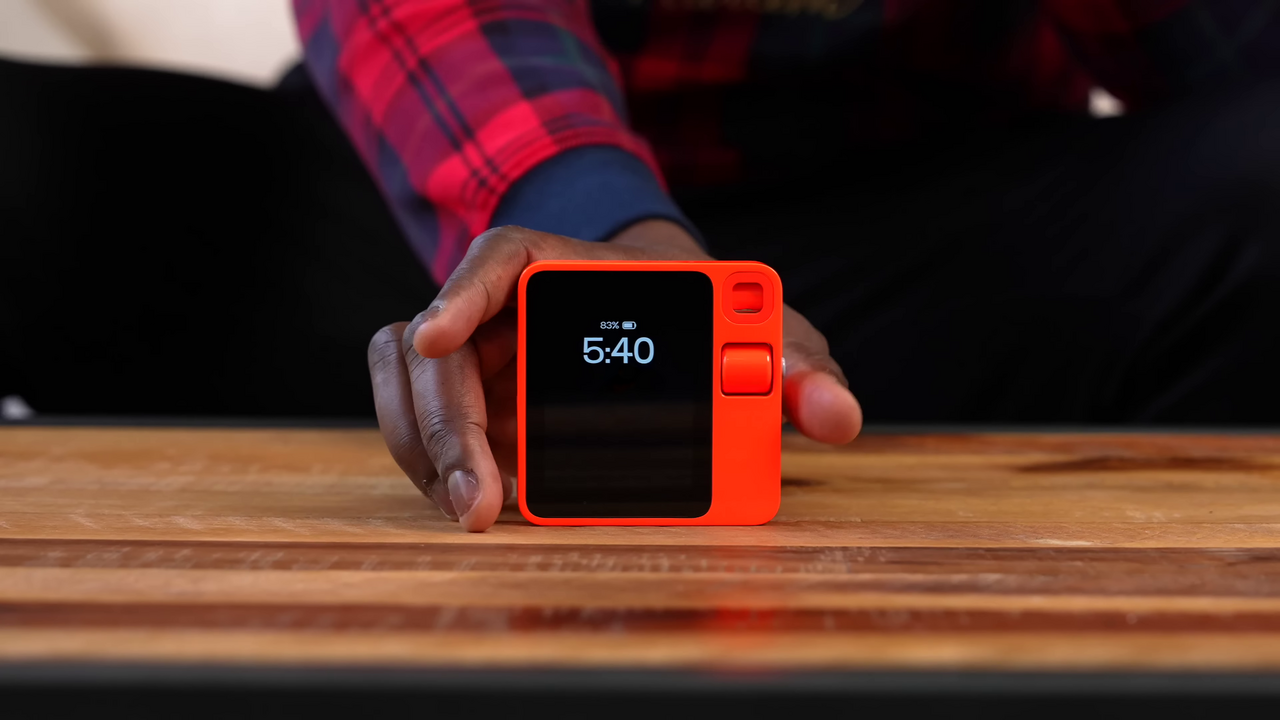
Rabbit announced OS3 on September 22, 2026 as a fully autonomous agent platform that no longer requires the company’s R1 hardware box. The service lives primarily in the cloud but automatically deploys a lightweight node on the user’s computer, regardless of operating system.
The local node gives OS3 the ability to interact directly with installed software, local files and web pages, effectively extending the AI’s reach to the user’s desktop environment while keeping the heavy inference work in the cloud.
Cross‑platform deployment and device selection
A single Rabbit account can be linked to up to five machines. When a task is submitted, OS3 evaluates the available devices, selects the most suitable hardware model, and loads the appropriate tools to complete the job. This dynamic allocation removes the need for users to manually choose a device.
The interface is deliberately flexible: users can interact with OS3 through a web browser, Telegram, iMessage, or the legacy R1 device, which still functions as a control surface. Rabbit also promises future compatibility with third‑party agent skills, expanding the ecosystem beyond its own offerings.
Bring‑Your‑Own‑Key model replaces subscription fees
Instead of a recurring subscription, Rabbit adopts a Bring Your Own Key (BYOK) approach. Customers supply their own API keys for OpenAI, Anthropic, or any self‑hosted model they prefer. This shifts the cost of inference to the model provider and gives users full control over which language model powers their agents.
Rabbit states that conversation histories and the agent’s memory are stored on its own servers, while user files remain on the local machine. Nevertheless, every request that requires model inference still travels to Rabbit’s cloud infrastructure and onward to the chosen model provider, meaning data does cross network boundaries.
Hardware shift and upcoming cyberdeck
Founder Jesse Lyu claimed that more than 100,000 R1 units had been shipped before Rabbit halted production. The company has no plans for an R2 successor. Instead, Rabbit is developing a new “programming cyberdeck” designed to run OS3 natively, though performance specifications and privacy guarantees have not been independently verified beyond Rabbit’s demonstrations.
- OS3 runs on Windows, macOS, and Linux via a local node
- One account can manage up to five devices simultaneously
- User‑supplied API keys replace monthly subscription fees
- Interface accessible through browser, Telegram, iMessage, and R1
The BYOK model also means organizations can align OS3 with existing compliance frameworks by selecting models that meet internal data‑handling policies, rather than being forced into a single vendor’s terms.
Rabbit’s claim that files never leave the user’s machine addresses a common privacy concern, but the necessity of routing inference requests through Rabbit’s servers introduces a potential vector for metadata exposure, especially if third‑party models are used.
Enterprise implications
For English‑speaking enterprises, OS3 represents a shift from a hardware‑centric AI deployment to a cloud‑first, device‑agnostic workflow. Teams can now provision AI agents on any standard workstation without purchasing dedicated boxes, reduce capital expenditures, and retain control over which language model powers their applications.
The trade‑off is a reliance on Rabbit’s cloud gateway for every model call, which may affect latency and requires careful network security planning. Companies will need to evaluate the impact on response times and consider edge‑caching strategies if low latency is critical.
Developers appreciate the ability to script OS3 actions locally, as the node can trigger system commands, read configuration files, and launch other applications, effectively turning the AI into a programmable assistant that respects the host OS permissions.
Security auditors note that while Rabbit encrypts traffic between the node and its cloud, the additional hop to external model providers adds complexity to threat modeling. Organizations are advised to monitor API key usage and enforce strict rotation policies.
Overall, OS3 marks Rabbit’s transition from a niche hardware vendor to a cloud‑centric AI service provider, aiming to keep its user base engaged after the R1’s discontinuation.
This article was written from the New York bureau of L’actu IA.
Sources
- Rabbit’s new AI agent doesn’t need an R1 to runThe Verge · September 22, 2026
- Rabbit Is Back, This Time With an AI Agent AppWIRED · September 22, 2026