Lenovo unveils a hybrid AI token factory in Zhangjiakou, China
On 10 November 2026 Lenovo launched a hybrid token factory in Zhangjiakou, China: 100 MW, 2,000 trillion tokens a year targeted, and costs cut by 70%.
Lenovo wants to produce tokens the way a factory produces electricity or steel. On 10 November 2026, the Chinese group unveiled the "Lenovo Wanquan" brand in Zhangjiakou, in Hebei province, a "hybrid token factory", and signed an agreement with the city government to build the first one, described as a "mother factory". A token ("cíyuán" in Chinese) is the unit of text an AI model processes, and the unit used to meter and bill usage. According to QbitAI and the newspaper Science and Technology Daily (Keji Ribao), the project targets 2,000 trillion tokens a year, but every figure remains, for now, a target announced by Lenovo.
What exactly is Lenovo planning in Zhangjiakou?
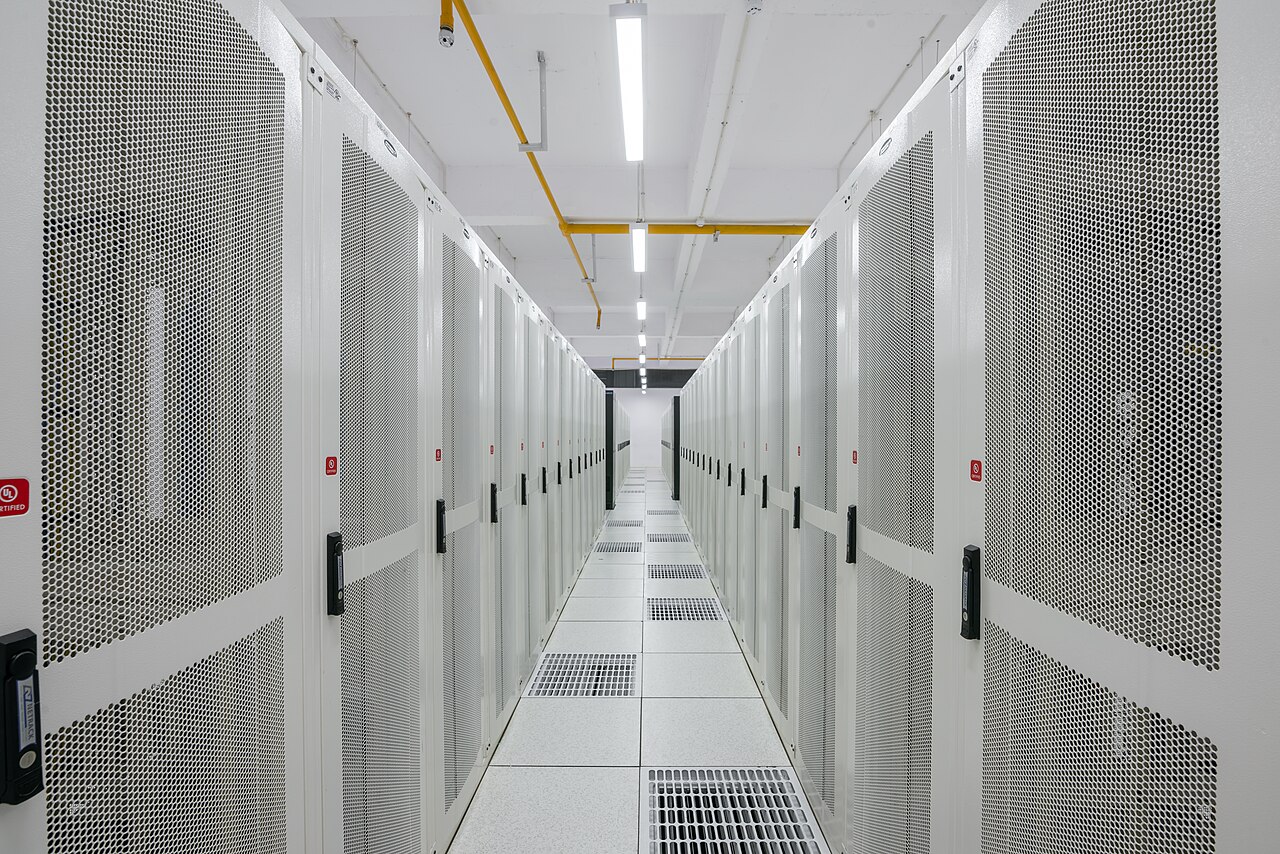
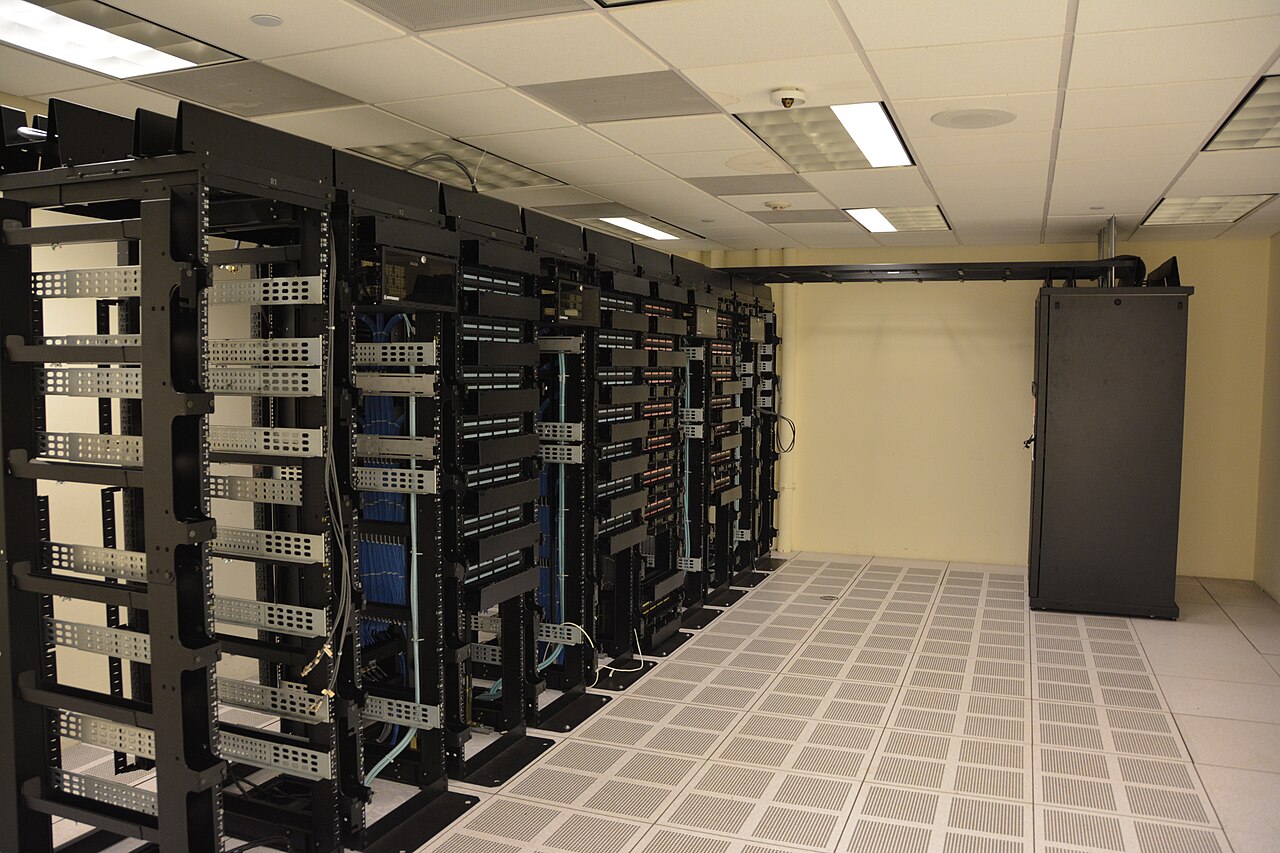
According to Keji Ribao (11 November 2026), Lenovo and the city of Zhangjiakou signed the agreement on 10 November, fixing the site of the first mother factory. The first phase calls for a heterogeneous compute cluster of 15,000 P and an AI computing center of about 100 MW ("P" is the compute unit Lenovo uses, which neither outlet explains). According to QbitAI (14 November 2026), quoting Lenovo senior vice president Dai Wei, the schedule for this phase is 2027, with scale to grow tenfold or more by 2030.
- Annual output: more than 2,000 trillion tokens, or about 5.5 trillion a day by QbitAI's conversion.
- Peak throughput: 200 million tokens per second; Keji Ribao says the site could serve 100,000 concurrent users a day.
- Cost target: a 70% cut in the all-in cost per million tokens.
- Throughput and quality targets: output per second up fivefold, token yield rate above 99.9%.
- Energy target: power usage effectiveness (PUE) below 1.1 for the associated computing center.
PUE is the ratio of a data center's total energy use to the energy that actually reaches the servers; the closer to 1, the less electricity is lost to cooling and other overhead. The "token yield rate" is a Lenovo metric that Keji Ribao presents as a way of filtering out low-quality tokens; QbitAI adds that Lenovo stresses the "effective token": what matters is not the volume produced but whether a task is completed correctly the first time.
Why talk about "hybrid" production?
The backdrop is exploding demand alongside nervous budgets. According to China's National Data Administration, cited by QbitAI, daily token calls in China rose from 100 billion in early 2024 to 100 trillion at the end of 2025, then passed 140 trillion in March 2026; the China Academy of Information and Communications Technology (CAICT) reports more than 500 trillion in June 2026. Companies are now holding back: according to the newspaper Economic Observer, relayed by QbitAI, a mid-sized bank spent nearly 9 million yuan on tokens in the first half, equal to 8% of its previous year's IT budget, and in a McKinsey survey about one in five respondents said their organization had limited AI use because of operating cost.
Lenovo's answer is a mixed supply along three axes, QbitAI explains. Sources: privately produced tokens complemented by authorized public services, with private as the main share. Architecture: light tasks on the device, latency-sensitive tasks at the edge, elastic demand in the cloud. Models: open-weight or closed proprietary models, depending on the quality and cost targeted. The group wants to deliver tokens the way electricity is delivered: the company plugs in, without worrying about the machines or scheduling behind it.
Two software building blocks orchestrate the mix, according to QbitAI. The "Token Engine" combines dynamic co-deployment of models and compute on the same machines, task-level resource pools and intelligent model routing. The "Token Hub", built into Lenovo's xCloud, picks for each request a model and capacity suited to the required quality, data boundaries, latency and cost. On security, Lenovo announces a whitelist of tested models, a "Token Trust" function that intercepts sensitive information in transit, and processing inside trusted execution environments (TEE), where the platform cannot read the content.
How does Lenovo intend to cut costs?
Keji Ribao and QbitAI describe a three-level optimization. Level one, hardware: the "Wentian" heterogeneous computing solution, built on supernodes and cluster communication optimization, is said by Lenovo to deliver more than 30% higher compute efficiency. Level two, the whole-life cost of the computing center: modular prefabrication, fully integrated liquid cooling and intelligent direct-current control of green power, with an equipment recycling line planned in Zhangjiakou. Level three, usage: routing avoids tying up an expensive model for a simple task.
According to QbitAI, Lenovo vice president Yao Zhenyu says the group's internal AI practices have already achieved about 70% overall cost optimization. These figures come from Lenovo: in our reading, neither QbitAI nor Keji Ribao mentions independent verification, and neither gives the investment amount.
Why Zhangjiakou?
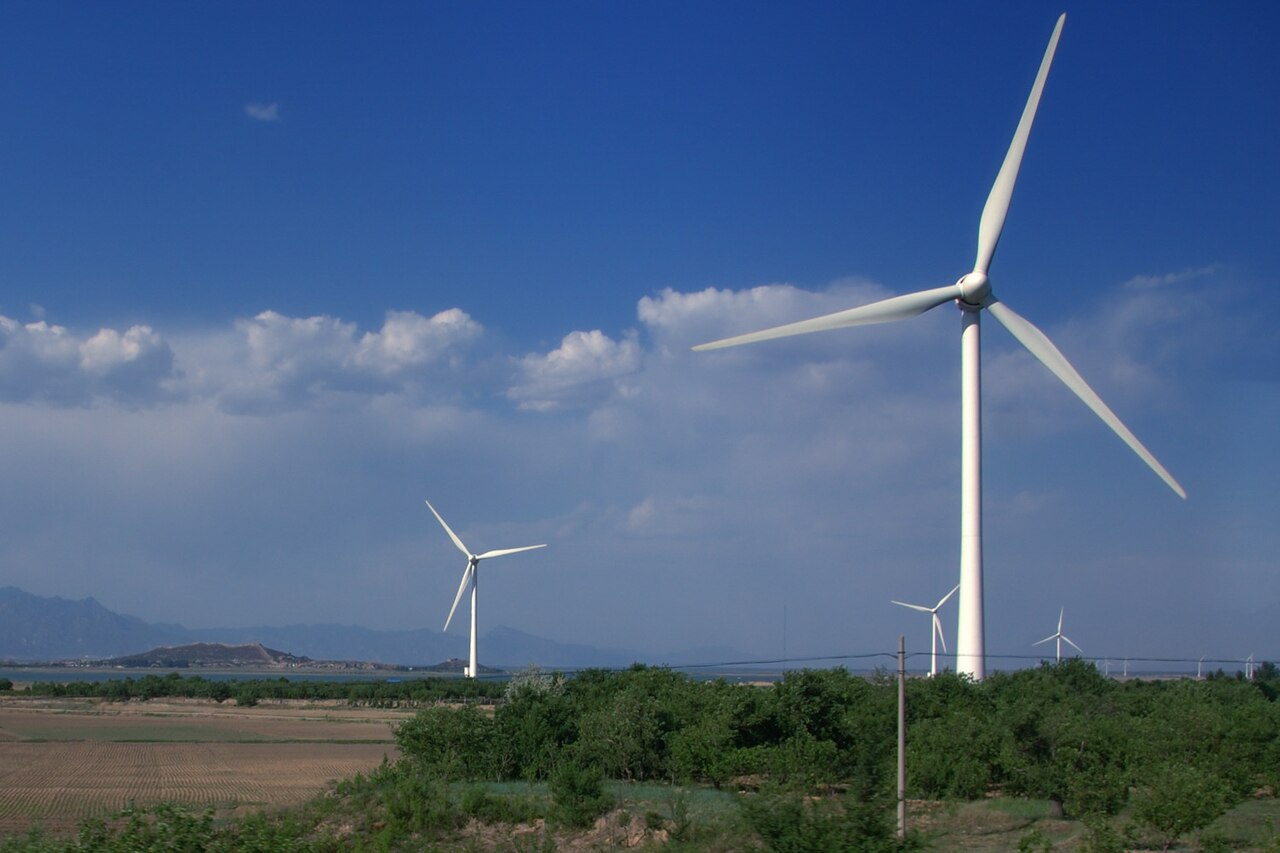
The city, a little over 100 km from Beijing, combines energy and computing capacity. QbitAI says its installed renewable capacity exceeded 45 million kW at the end of 2025, close to 90% of local power capacity, and that it has more than 50 data centers and over 1.07 million standard racks in operation. It is a node of the Beijing-Tianjin-Hebei hub in the national "East Data, West Compute" program. The cool climate, electricity prices described as favorable and low latency to Beijing reduce operating costs. QbitAI also cites the 2026-2030 five-year plan, which calls for pairing green power with computing and lowering computing costs for small and medium-sized firms.
Lenovo presents three cases, all drawn from projects or figures announced by the company. In Changsha, Hunan Broadcasting plans with Lenovo a token factory dedicated to AI-generated short dramas, targeting 50% lower production cost, a 60% shorter cycle, more than 1,200 hours of finished content a month and more than 10,000 creators. The Shanghai Jiansheng school project covers more than 600 primary and secondary schools, whose load swings between lessons, exams and holidays, with minors' data to protect. Finally, the Suihong Huachuang computing center in Qingyang (Gansu), the first operating case cited, reportedly saves about 30% in cost, with more than 2 million calls and 2 billion tokens a day on a single model.
What does this change for a business?
The project first shows that token cost is becoming a management lever of its own: measure cost per successful task rather than per token consumed, route simple tasks to small models and keep large models for the cases that justify them. This matters most for AI agents in the enterprise that chain hours of reasoning. It also shows that Chinese infrastructure vendors are trying to sell a turnkey token service rather than servers; the effect on computing prices outside China remains to be seen.
A final note of caution: the first phase is not expected before 2027, the announced performance figures are targets rather than measurements, and the Changsha, Shanghai and Qingyang cases are not, according to the sources read, announced customers of the Zhangjiakou factory. Published operating results will be needed to judge whether the promised "good-quality token" meets its numbers.
Sources
- 绿电进Token出!联想重新定义词元工厂量子位 (QbitAI) · November 14, 2026
- 联想万全混合词元工厂品牌发布 首个母本工厂落地张家口科技日报 · November 11, 2026