Google secures 3.6 gigawatts from Constellation for its data centers
Google announced a 20‑year nuclear power purchase agreement with Constellation, including an increase of 890 MW from existing reactors, alongside a separate supply contract for up to 2,700 MW.
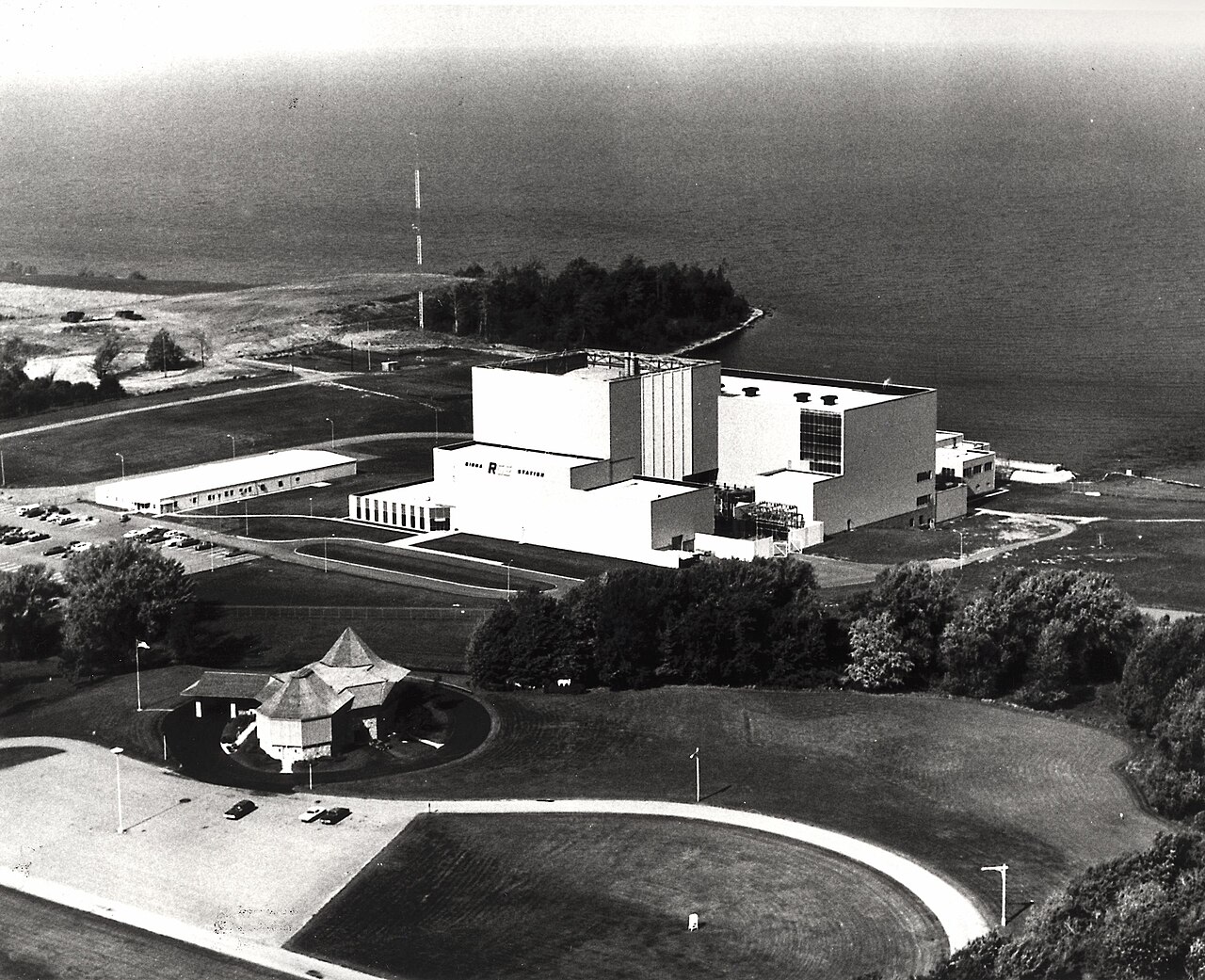
Google disclosed a twenty‑year power‑purchase agreement with Constellation Energy that is intended to provide additional nuclear electricity for the data‑center facilities that run its artificial‑intelligence services. According to statements from both companies, the plan is expected to add roughly 890 megawatts of capacity by the year 2032. The initiative does not involve the construction of brand‑new reactors; instead it relies on upgrading eleven existing nuclear units that are spread across six sites in Illinois, Pennsylvania and New Jersey. Google says the objective is to secure a large, stable and low‑emissions supply that can support the expansion of its data‑center footprint, while keeping the work inside plants that are already operating rather than waiting for entirely new stations that could require many more years and additional regulatory approvals.
Upgrading reactors instead of building new plants
Constellation plans to invest more than $4.3 billion in digital control systems, advanced turbines and upgraded steam generators. The company presents these upgrades as the technical pathway to achieve the targeted 890 MW increase. The first upgraded site is scheduled to begin delivering power to Google in 2028, with the full incremental capacity expected to be in place by 2032. Independent verification of the anticipated additional capacity or of the performance of the units after the upgrades has not been provided, so the figures remain the goals announced by the two firms rather than operational results that have already been demonstrated. Moreover, the agreement confines the nuclear expansion to improvements of existing assets and does not add capacity from brand‑new reactors.
The twenty‑year deal is paired with a separate fifteen‑year contract that allows Google to purchase up to 2,700 MW from Constellation’s broader fleet. The company has not disclosed the generation mix covered by this second contract, meaning the entire quantity cannot be assumed to be nuclear power. When the two contracts are combined, the announced volume reaches about 3,590 MW—roughly 3.6 gigawatts—with the nuclear upgrades accounting for approximately 890 MW of that total. The announcements do not reveal the price per megawatt‑hour, the overall cost, nor a clear timetable for delivering the full 2,700 MW. These limits are important to prevent the 3.6‑GW figure from being interpreted as a claim that all of the energy will come from reactors.
Energy and computing in a single agreement
The partnership also includes a five‑year contract under which Constellation will use Google Cloud services and Gemini Enterprise tools to manage outage periods and improve generator operation. This component makes the relationship reciprocal: Google purchases electricity, and in return the power company purchases cloud‑computing and artificial‑intelligence tools. However, sources do not provide performance metrics that would confirm the magnitude of the expected improvements from these tools, nor do they state that an automated system will replace human safety decisions. The announced benefit is the use of cloud and Gemini technologies to help manage interruptions and optimise operations, while the actual results of applying those tools remain unknown at the time the agreement was signed.
The targeted nuclear units are located within the PJM Interconnection grid, which serves roughly 67 million customers across thirteen states. The grid is experiencing a rise in demand linked to data‑center activity, putting pressure on generation and transmission lines during peak periods. Both companies tie the agreement to a broader discussion about a proposed “self‑supply” rule that could require large data‑center customers to secure electricity during periods of stress. The announcements do not clarify how the deal will affect PJM prices or reliability, nor do they measure its ultimate impact on emissions. Consequently, it cannot be asserted that the contract alone will solve grid‑stress issues or prevent price spikes.
Tech companies race for nuclear power
Google’s move fits into a wider trend among technology firms that are seeking steady electricity for their data‑center operations. Amazon Web Services secured 690 MW from the Calvert Cliffs plant, Microsoft agreed with Constellation in 2024 to restart the Three Mile Island reactor, and CNBC reported that Google also contracted with NextEra Energy to restart a nuclear facility in Iowa. These comparisons show that AI‑driven demand is pushing companies toward long‑term deals with power producers, but they do not imply that all projects share the same risks, timelines or pricing structures. Each agreement depends on the specific plant, grid, and financing arrangements involved.
Long‑term contracts give the power producer a degree of revenue certainty and provide the technology company with clearer visibility into the amount of electricity that will be available. Contractual certainty, however, does not equal immediate delivery of power. The first upgraded unit is expected to start in 2028, and the full nuclear increase is slated for 2032, while no published date exists for the delivery of the entire 2,700 MW contract. Additionally, the proportion of nuclear, gas or other generation sources within that contract has not been disclosed. For firms monitoring the deal, it is therefore essential to separate the confirmed figures in the contractual texts from operational estimates that have not yet been tested.
- Targeted 890 MW nuclear increase from upgrading existing reactors
- More than $4.3 billion announced investment in upgrades
- 2,700 MW in a separate supply contract with unspecified mix
- Approximately 3.6 GW total capacity linked to the two contracts
For companies planning large AI infrastructure, the deal reveals that computing cost calculations no longer rely solely on purchasing processors and servers. Electricity availability, grid stability, contract duration, and generation source must be incorporated into investment decisions. It also shows that announcing total capacity is insufficient to assess environmental or financial impact: prices, the mix of the 2,700 MW, grid effects, and emissions remain unpublished. What has changed now is that Google and Constellation have set a clear timeline and investment framework for a nuclear portion of 890 MW, while the remainder of capacity and its detailed terms will require independent monitoring as deliveries commence.
Sources
- جوجل توقع صفقة طاقة نووية مع Constellation لمدة 20 عاماعالم التقنية · October 8, 2026
- Google enters massive 3.6-GW power deal with Constellation EnergyCNBC · October 6, 2026