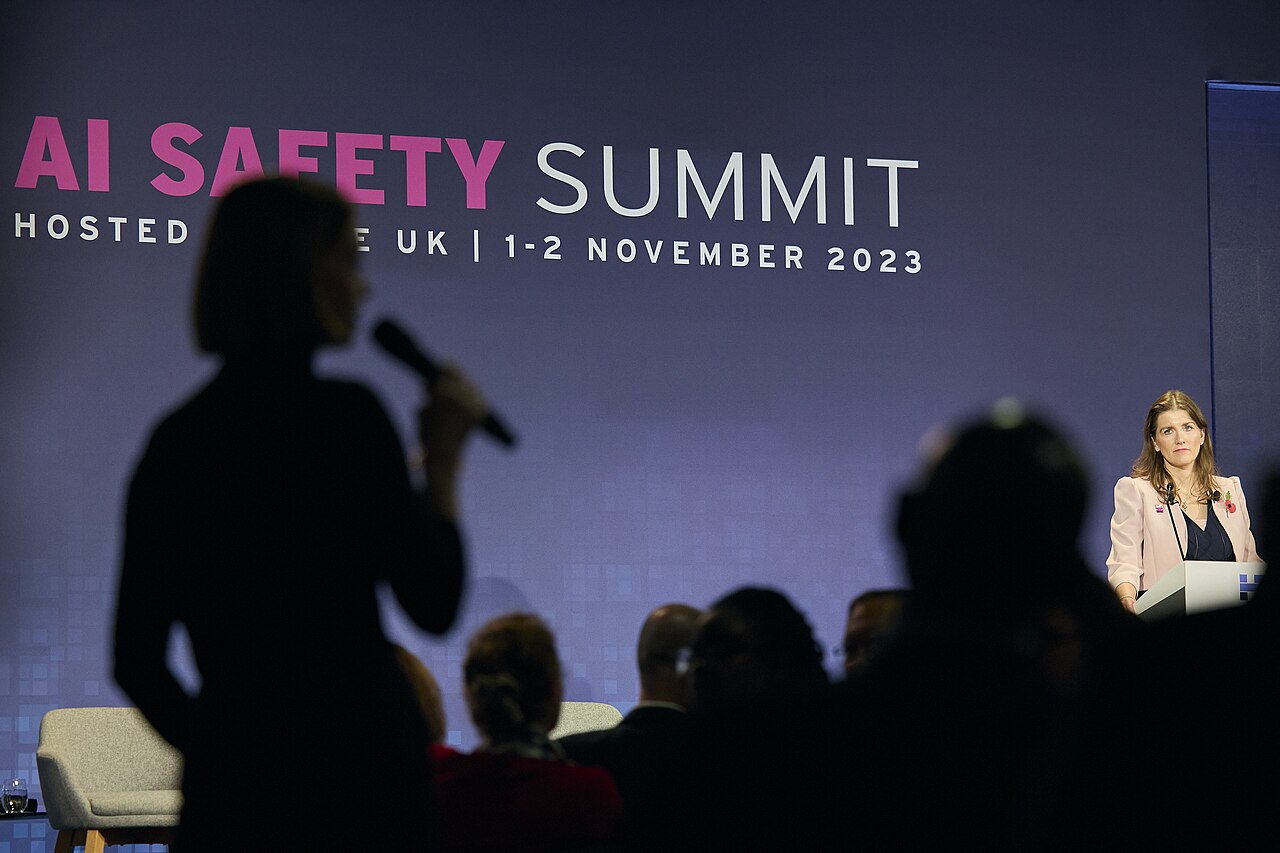
California Senate unanimously passes bill banning chatbots marketed as "psychotherapy"
The California State Senate voted 39 to 0 in favor of SB 903, a bill that bans companies from advertising AI chatbots as "psychotherapy." The bill now moves to the State Assembly.
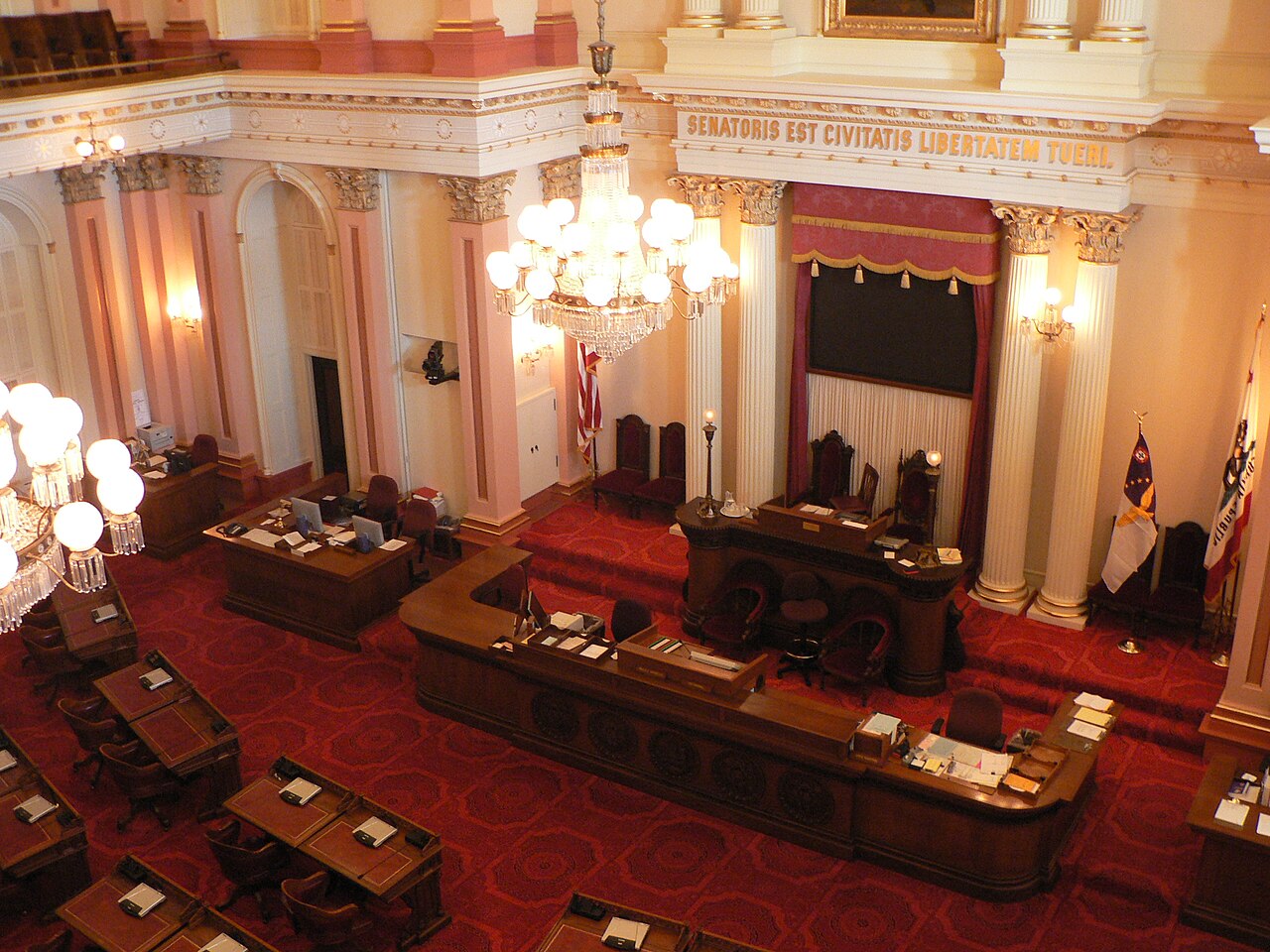
The California State Senate passed, by a bipartisan 39-0 vote, Senate Bill 903, introduced by Senator Steve Padilla. The bill now moves to the State Assembly to continue through the legislative process. According to an official statement from Senator Padilla's office, the goal of the bill is to ensure that mental health services remain safe, ethical, and delivered by trained professionals rather than AI algorithms.
What exactly the bill changes
The bill rests on three main pillars. First, it bans companies from advertising or marketing chatbots as "psychotherapy" or a mental health service unless supervised by a licensed professional. Second, it prevents AI systems from making therapeutic decisions on their own, without review by a licensed mental health or health professional. Third, it requires healthcare providers to obtain patient consent before using AI to record therapy sessions or to triage and route cases.
Senator Padilla summed up the philosophy behind the bill: "As technical capabilities keep growing and new tools enter the mental health space, we need to make sure there are adequate safeguards to preserve a human-centered approach, putting safety and ethical considerations first. SB 903 draws a clear line: AI can be a tool in the hands of licensed professionals, but it cannot be the professional itself."
The bill comes amid a real shortage of mental health providers in the state: roughly a third of Californians live in areas without an adequate ratio of mental health professionals to population. That shortage has pushed a growing number of people to turn to chatbots for psychological support. According to a Harvard Business Review report, therapy and companionship are among the most common uses of ChatGPT this year. The market has seen products explicitly marketed as "AI therapists," including Therabot, Wysa, TherapyAI, TherapistGPT, and Abby.
According to the official statement, psychiatrists point to several concerns about these tools: privacy and data protection issues, a limited understanding of each patient's background, the risk of users becoming overly reliant on the bot, inaccurate therapeutic recommendations, and an inability to pick up on precise communication cues such as tone of voice or eye contact. In a survey by the American Psychiatric Association, 80% of members expressed significant or moderate concern that mental health professionals lack adequate training in AI. The bill is co-sponsored by the California Psychological Association, the California Association of Marriage and Family Therapists, the California Association of Behavioral Health, and the National Union of Healthcare Workers (NUHW).
A debate between protecting patients and easing access to care
The bill does not enjoy full consensus outside the Senate chamber. According to The Independent, critics argue that the bill could hinder legitimate uses of AI and limit providers' ability to use smart tools to route patients toward treatment more quickly. Robert Boykin, executive director of the tech industry group TechNet California, told CalMatters: "At a time when every county in California is experiencing a shortage of behavioral health workers, SB 903 still places a clinical bottleneck in front of intake and triage tools that help patients get care faster."
On the other side, the National Union of Healthcare Workers, which supports the bill, filed a complaint with California regulators accusing the Kaiser Permanente health system of using an automated "e-visit" system, without professional oversight, to give care recommendations to patients suffering from anxiety or depression. The company responded that it "does not use AI to diagnose patients, make clinical decisions, or determine medical necessity."
Recent data confirms the scale of the phenomenon at the heart of the debate. A 2025 study by the RAND Corporation, conducted with Brown and Harvard universities, found that roughly one in eight teens and young adults turn to chatbots for mental health care. Jonathan Cantor, a senior policy researcher at RAND, said: "There are few standardized benchmarks for evaluating the psychological advice given by AI chatbots, and there is limited transparency about the datasets used to train these large language models." A study by the American Psychological Association conducted this year found that 77% of psychologists had talked with patients who used AI for support, interaction, or other reasons, while OpenAI disclosed in October that roughly 1.2 million people send messages to ChatGPT every week containing explicit indicators of possible suicidal thoughts or intent.
Hamilton Morrin, a clinical fellow in neuropsychiatry at King's College London, told the Harvard Business Review: "Given long waiting lists and difficulty accessing mental healthcare and therapy in many countries, it may not be surprising that growing numbers are turning to generative AI for support with their emotional wellbeing."
What this means beyond California
Although SB 903 is a local bill specific to the state of California, and still needs Assembly approval before becoming law, it raises a debate that reaches far beyond US borders. In many countries, access to mental health professionals remains limited by a shortage of trained staff, high treatment costs, and social stigma, factors that are pushing a growing number of users, including young people, to try chatbots as a first or alternative source of psychological support. While there is not yet local data as precise as the US studies cited above, the scale of the regulatory debate in California, a global hub of the tech industry, makes it likely that this bill, if finally passed, will become a reference point for other regulators and digital platforms worldwide as they draft similar rules on disclosing a bot's nature, obtaining user consent, and requiring human oversight of any mental health-related recommendation.
Sources
- California State Senate Approves Legislation to Protect Against Dangerous AI Therapy ProductsOffice of Senator Steve Padilla · August 14, 2026
- California wants to ban AI therapists as thousands turn to chatbots for mental healthcareThe Independent · August 15, 2026