
麥當勞將導入決定店別價格的 AI 引擎
根據路透社的調查,麥當勞正利用美國約 14,000 家門店的交易數據與競爭對手價格,推進一套在店鋪或市場層面優化巨無霸價格的 AI 引擎的導入。
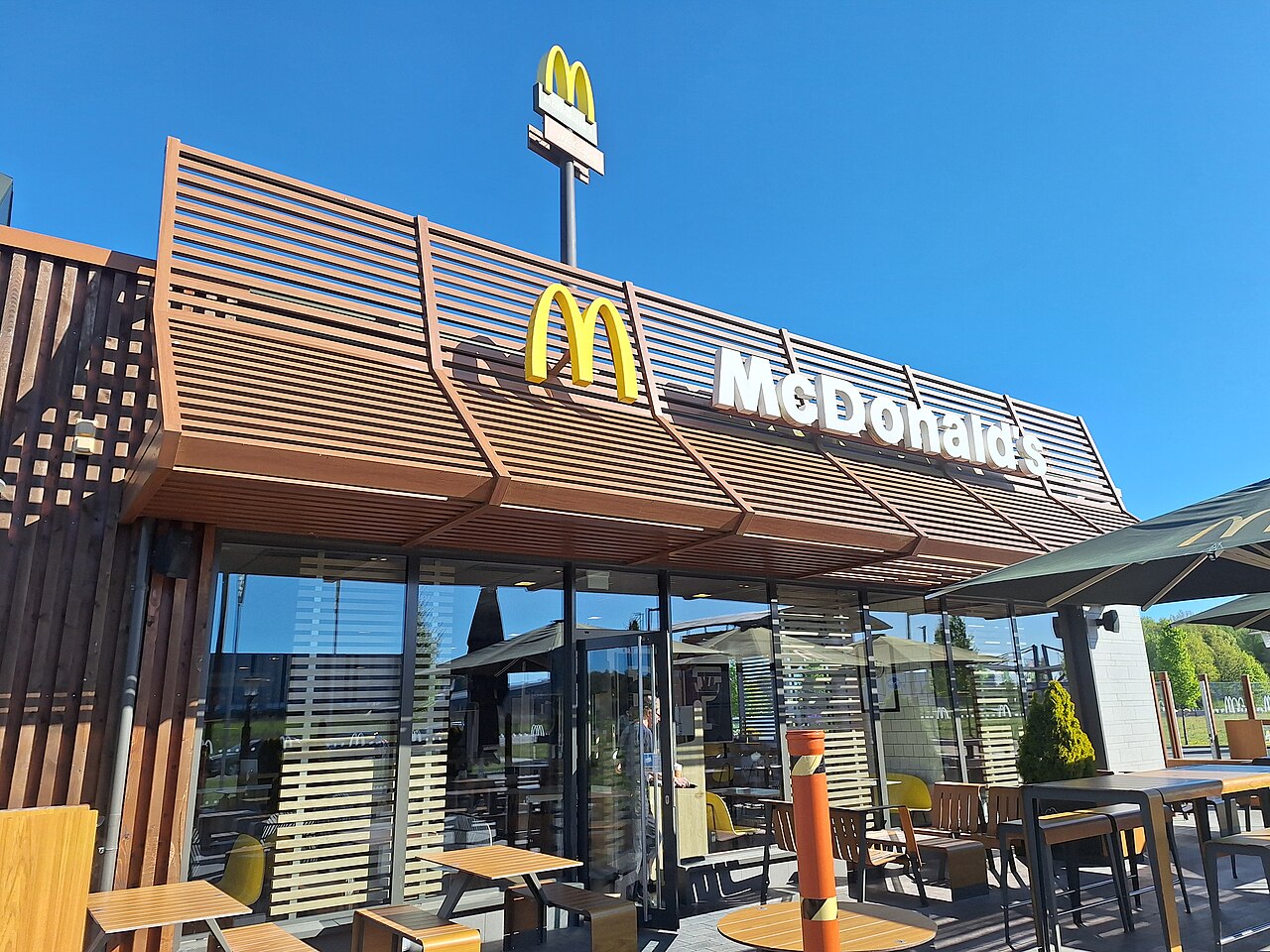
新聞概述
2026 年 9 月 30 日,路透社的調查在 Gigazine 上報導,揭示麥當勞正推進一套 AI 價格引擎的導入,該引擎利用美國約 14,000 家門店的交易數據以及競爭對手的價格資訊,為其旗艦產品巨無霸在單店或地方市場層面提供建議價格。
AI 價格引擎的運作機制
此引擎結合了全美麥當勞門店取得的銷售數據,與如漢堡王、溫蒂等競爭連鎖店公開的價格資訊進行學習,從而計算出符合各店鋪或區域市場環境的巨無霸建議價格。演算法同時考量需求波動、原料成本、各地工資與租金等因素,提供最適價格區間的建議。
實證數據與價格差異範例
根據路透社的報導,即使在同一區域內,AI 計算出的巨無霸價格也可能出現最高約 90 美分的差異。例如,兩家相鄰門店的 AI 建議價格分別為 7.17 美元與 8.05 美元;加州弗雷斯諾的門店則顯示價格範圍為 5.69 美元至 6.89 美元。這些差異是根據競爭店價格與當地購買力所作的調整結果。
對加盟店的影響與顧慮
雖然形式上最終定價權仍保留給加盟店,但總部提供的建議價格以及隨之而來的壓力引發了關注。加盟店可以接受 AI 的建議或自行微調,但實務上可能會因總部指示而遵從建議的情況增多。報導指出,尚未出現針對個別顧客的價格設定,分析僅停留在店鋪與市場層面。
英文詳細說明
According to a Reuters investigation reported by Gigazine on September 30, 2026, McDonald’s Corporation is preparing to deploy an artificial‑intelligence based pricing engine that will recommend the price of its flagship Big Mac sandwich at the level of individual restaurants or local markets in the United States. The system will be fed with transaction data collected from roughly fourteen thousand McDonald’s locations across the country, together with publicly available competitor price information from other fast‑food chains such as Burger King and Wendy’s. By analysing this combined data set, the algorithm can generate a suggested price that reflects local demand conditions, cost structures, and the pricing strategies of nearby rivals. Early observations cited by the Reuters report show that the suggested price for a Big Mac can vary by as much as ninety cents between stores that are geographically close. For example, two neighboring outlets were reported to have AI‑generated price recommendations of $7.17 and $8.05 respectively, while stores in Fresno, California, displayed a spread from $5.69 to $6.89. These differences illustrate how the engine tailors its output to the competitive environment of each market segment. The rollout of the AI pricing tool is being coordinated by McDonald’s corporate headquarters, but the company maintains that franchisees will retain formal authority to set the final menu price in their restaurants. Nonetheless, the internal memo referenced by Reuters indicates that corporate will issue price recommendations to franchisees and may apply pressure to align actual prices with the algorithm’s output. This dynamic has raised concerns among franchise owners who fear that the traditional autonomy granted to independent operators could be eroded by data‑driven directives from the parent company. While the system is designed to operate at the store or market level, there is no evidence that it will produce price variations for individual customers based on personal data or purchasing history. The engine’s scope is therefore limited to adjusting the baseline price of the Big Mac across different geographic locations, rather than implementing a true “personalised” pricing model. The use of AI for menu pricing reflects a broader trend in the quick‑service restaurant industry toward leveraging big data and machine learning to optimise revenue and competitive positioning. By incorporating competitor pricing into its calculations, McDonald’s hopes to respond more quickly to market shifts and to avoid being undercut by rivals. At the same time, the approach could lead to a convergence of prices across the chain, reducing the ability of franchisees to experiment with local promotions or discount strategies that have historically been used to attract regional customers. Analysts cited in the Gigazine article note that the balance between corporate guidance and franchisee independence will be a key factor in determining whether the AI engine improves overall profitability without alienating franchise partners. The implementation timeline has not been disclosed in detail, but the Reuters piece suggests that the pilot phase is already underway in a subset of stores and that a broader rollout could follow later in the year. McDonald’s has not released an official statement confirming the exact mechanics of the algorithm, the frequency of price updates, or the criteria that will trigger a change in the recommended price. As a result, franchisees are awaiting further guidance on how the system will be integrated into their existing point‑of‑sale and inventory management platforms. The company’s public communications stress that the AI tool is intended to support decision‑making rather than replace human judgment, emphasizing that final pricing authority remains with the franchisee. If the AI pricing engine becomes a permanent feature of McDonald’s operational toolkit, the most immediate change for consumers will be a more variable Big Mac price that reflects local market conditions rather than a uniform national price. For franchise owners, the shift could mean regular updates to menu boards and promotional materials, as well as the need to monitor algorithmic recommendations alongside traditional cost‑plus pricing methods. The broader implication for the fast‑food sector is the demonstration that large, data‑rich brands are willing to experiment with algorithmic price setting, potentially prompting competitors to develop similar capabilities. However, the success of the initiative will depend on how well McDonald’s can balance corporate efficiency gains with the expectations of its franchise network, and whether the perceived pressure to follow AI recommendations will be accepted as a legitimate business practice. Furthermore, the data set used by the engine includes not only sales volumes but also time‑of‑day and day‑of‑week patterns, allowing the model to adjust recommendations for peak periods such as lunch and dinner rushes. The algorithm also accounts for regional cost variations, including differences in labor wages, rent, and supply chain expenses, which can influence the profitability threshold for each outlet. By integrating these variables, the AI system aims to propose a price that maximises margin while remaining competitive with nearby Burger King and Wendy’s offerings. The model’s output is delivered to franchisees through a secure online portal, where they can view the suggested price, the underlying data drivers, and a confidence score indicating the robustness of the recommendation. Franchisees may accept the suggestion as‑is, propose a modest deviation, or request additional justification from corporate analysts. Critics of algorithmic pricing argue that reliance on automated recommendations could reduce transparency for both franchise owners and consumers, especially if the rationale behind a price change is not clearly communicated. In the case of McDonald’s, the company has pledged to provide explanatory dashboards, but the effectiveness of these tools remains to be seen. Moreover, the potential for price volatility raises questions about consumer perception; frequent adjustments might be interpreted as price gouging or as a lack of price stability, which could affect brand loyalty. On the other hand, supporters contend that data‑driven pricing can lead to more efficient allocation of resources, lower waste, and the ability to offer competitive promotions when market conditions allow. In summary, the AI pricing engine represents a significant technological step for McDonald’s, leveraging extensive transaction data and competitor benchmarks to tailor the Big Mac price at a granular geographic level. While the system does not personalize prices for individual shoppers, it does introduce a dynamic pricing element that varies across stores and markets. The ultimate impact will hinge on how franchisees respond to corporate recommendations, how consumers perceive the resulting price variability, and whether the approach delivers measurable improvements in sales and profitability without compromising the franchise model that underpins the global brand. Regulatory bodies have shown interest in algorithmic pricing practices across various industries, and while no specific investigation targeting McDonald’s has been announced, the company may need to ensure compliance with consumer protection statutes that prohibit deceptive pricing. To that end, McDonald’s internal compliance team is reportedly reviewing the AI engine’s decision‑making process to confirm that suggested prices are based on legitimate market data and do not result in unfair discrimination among geographic areas. The firm also plans to conduct periodic audits of the algorithm’s performance, comparing projected margins against actual sales outcomes to refine the model over time. These safeguards are intended to address both legal risk and franchisee concerns about undue corporate influence. Looking ahead, the success of the AI pricing engine could influence other menu items beyond the Big Mac, as the company evaluates the scalability of the technology to its broader product portfolio. If the pilot demonstrates that dynamic, data‑driven pricing improves top‑line growth without eroding franchisee satisfaction, McDonald’s may expand the system to include items such as the Quarter Pounder, Chicken McNuggets, and seasonal promotions. Conversely, if franchisees push back strongly or if consumer backlash emerges due to perceived price instability, the corporation might scale back the initiative or adopt a more collaborative approach that gives franchisees greater discretion in setting final prices.
未來發展與結論
若此 AI 價格引擎全面導入,巨無霸的價格將依地域而異,加盟店將需要因應總部提供的建議價格而調整其菜單定價。
資料來源
- マクドナルドがビッグマックの価格を決めるAI価格設定エンジンを導入へGIGAZINE · 2026年9月30日
- McDonald’s uses AI to set an optimal price at each store, Reuters reportsThe Next Web · 2026年10月1日