
U.S. Department of Justice arrests Earthmade Computer CEO over alleged $300 million AI server export scheme to China
On October 1, 2026, the U.S. Department of Justice announced the indictment and arrest of Greg Lui, president of California‑based Earthmade Computer, on charges of conspiracy, smuggling and money‑laundering related to violations of U.S. export control law.
Overview of the case and arrest timeline
On October 1, 2026, the United States Department of Justice released an official statement confirming that Greg Lui, the chief executive of the California‑based firm Earthmade Computer, had been formally charged and taken into custody. The indictment lists three separate counts: conspiracy to violate the United States export control regulations, illegal smuggling of high‑technology equipment, and conspiracy to launder the proceeds derived from those illicit activities. The announcement was made during a press briefing in which prosecutors emphasized the seriousness of the alleged conduct and the importance of safeguarding national security by preventing unauthorized transfers of sensitive technology.
Technical background and key points of export control law
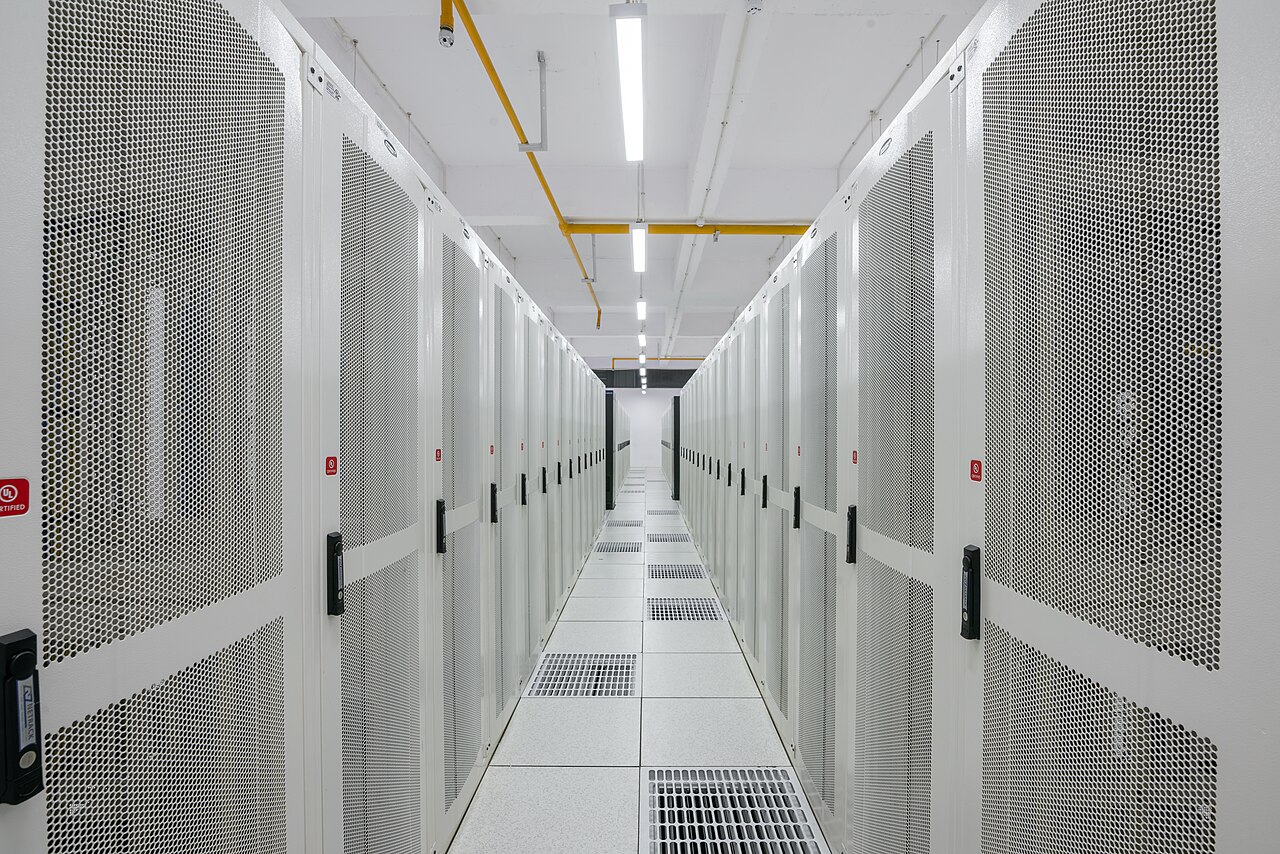
The hardware at issue in this investigation is a high‑performance artificial‑intelligence server equipped with advanced graphics processing units (GPUs). The United States export control regime, administered by the Bureau of Industry and Security (BIS) within the Department of Commerce, imposes strict limits on the overseas shipment of certain high‑technology items. In particular, the regulations expressly forbid both direct and indirect exports of such AI servers to China, a country identified as a strategic risk because of its potential to repurpose the technology for military or surveillance applications.
Specific alleged methods
According to the indictment, Mr. Lui allegedly orchestrated the sale of more than $300 million worth of GPU‑laden servers between 2023 and 2024 by falsely representing the buyers as authorized customers located in Malaysia and Singapore. In reality, the evidence suggests that the servers were subsequently re‑exported to end‑users in China, thereby circumventing the explicit prohibitions contained in U.S. export law. Prosecutors allege that the scheme relied on fabricated export documentation and counterfeit invoices designed to conceal the true destination of the equipment.
A concrete illustration cited in the filing involves a shipment in March 2024, when twenty‑seven servers—valued at approximately $7 614 000—were allegedly transferred to a Chinese purchaser. The original shipping paperwork claimed the machines were destined for a Malaysian company, yet the devices were rerouted to China shortly after leaving the port of departure. This maneuver required the alteration of product labels and the creation of falsified certificates of origin to give the appearance of a legitimate transaction.
Further investigation uncovered that Earthmade Computer received more than $176 million from two Malaysian firms between January and October 2024. Authorities contend that these payments correspond to the amounts invoiced for the purported Malaysian sales, but in fact served to fund the disguised transactions to China. The funds appear to have been used to cover logistical costs associated with the re‑export process and to mask the true commercial purpose of the deals.
Investigation and evidence highlights
The prosecution presented several key pieces of evidence, including falsified export documents, altered product labels on the server chassis, and logs from foreign cloud services that show usage patterns originating from China. While each charge rests on these evidentiary items, it is important to note that the allegations remain unproven until a court renders a verdict. The presumption of innocence continues to apply throughout the judicial process.
Technology news outlet GIGAZINE highlighted that the use of third‑country transshipment points, the production of fraudulent paperwork, and label changes significantly complicate enforcement efforts. The outlet also noted ongoing challenges related to BIS staffing plans and inter‑agency information sharing, which limit the overall effectiveness of export controls.
According to the same analysis, the impact of regulatory measures should be assessed not only by the number of detected violations but also by the additional costs imposed on legitimate purchasers, as well as delivery delays and supply‑chain disruptions that arise from stricter compliance requirements.
Future impact and recommendations for companies
Companies operating in Japan and across the broader Asia‑Pacific region are urged to reassess the risks posed by U.S. export control regulations. They should implement robust procedures to verify the ultimate end‑use of sold products and the final destination country, even when transactions involve intermediary nations. In particular, trade flows that pass through third‑party jurisdictions and the use of overseas cloud services should be explicitly incorporated into internal audit programs.
Moreover, as the BIS expands its workforce and improves inter‑departmental information sharing, it is likely that early detection of violations and associated penalties will become more aggressive. Companies are therefore encouraged to strengthen collaboration between compliance and legal departments, conduct regular training on export‑control obligations, and establish continuous monitoring mechanisms to mitigate the risk of similar transshipment schemes in the future.
Sources
- 中国へのGPU密輸はなぜ続くのかGIGAZINE · October 2, 2026
- California Man Arrested for Smuggling More Than $300 Million in Export-Controlled Computer Servers to ChinaU.S. Department of Justice · October 1, 2026