
Meta fixes AI glasses loophole that let recording continue in secret
A software update stops the camera as soon as the capture LED on Meta's Ray-Ban AI glasses is covered mid-recording, closing a bypass that let wearers keep filming unnoticed — the fix lands amid a US class action and EU privacy probes.
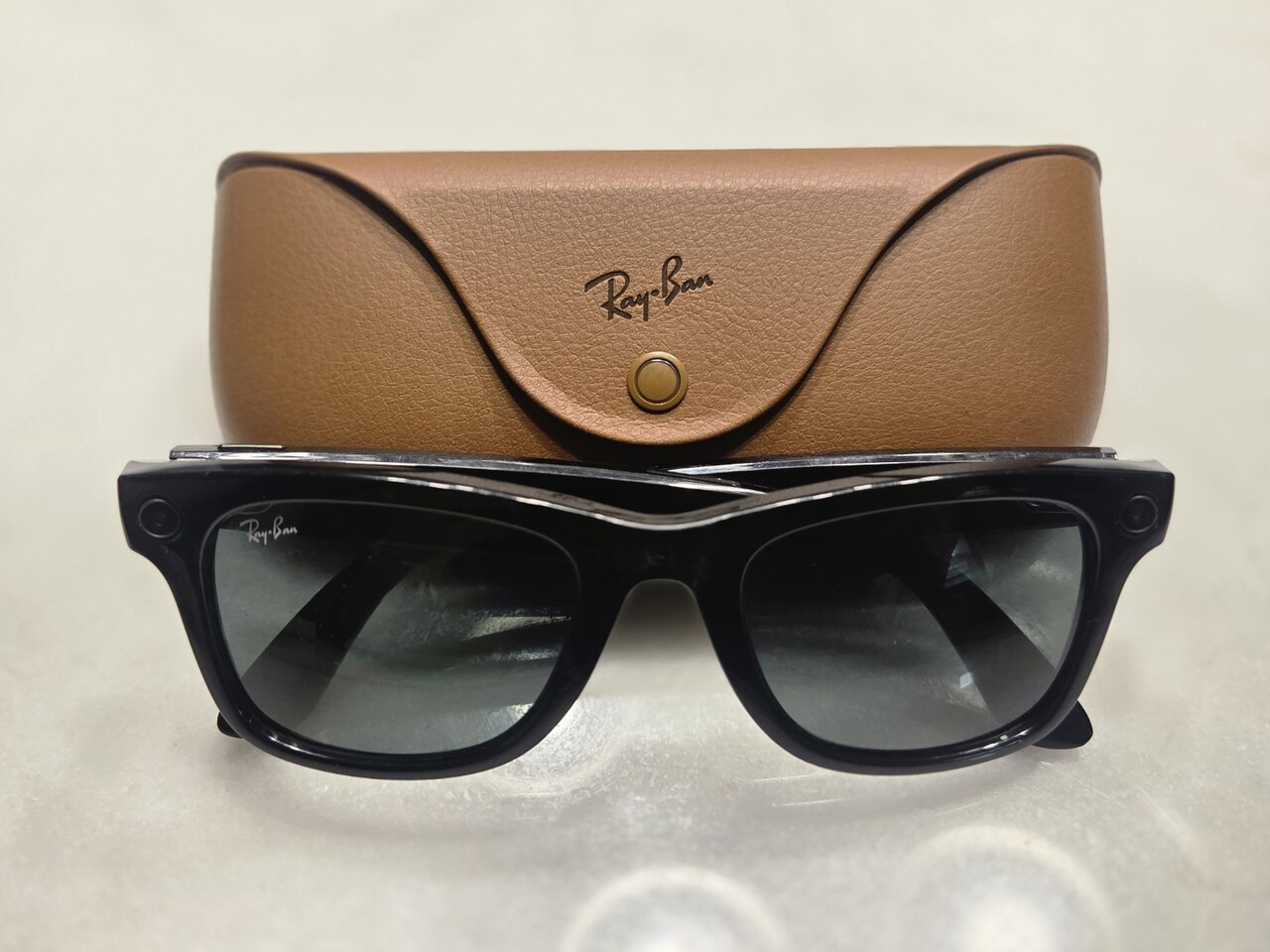
Meta has begun rolling out a software update for its AI-powered smart glasses, the Ray-Ban Meta line, that closes a privacy loophole the company itself identified. Until now, a wearer could start recording video and only then cover the front-facing LED with a finger or a sticker, continuing to film without anyone nearby noticing. The light already blocked a recording from starting while covered, but it did not stop a recording already in progress — and that is precisely the gap the new update closes.
How the loophole worked
Meta's smart glasses already deactivated the camera when someone physically covered the front LED before attempting to record. The light blinks whenever the device is capturing a photo or video, acting as a visual warning to bystanders. The problem, according to Meta, was that reversing the order of the steps worked: start recording first, then cover the light afterward, which let the wearer keep capturing footage without the visual warning staying visible. Alex Himel, Meta's vice president of wearables, announced the fix in a post on Threads: “The camera will now stop working if the light is covered during a recording.”
The fix arrives a little over a month after Meta had already updated the glasses to shut off the camera when a user tried to physically interfere with the capture light itself. Himel downplayed the scale of the problem: “Only a tiny minority of people try to get around these protections, and the fact they have to go to these lengths shows our efforts are working.” Ars Technica notes, however, that bad actors may still be able to modify the glasses or tamper with the light without affecting recording, and it remains unclear whether semi-transparent stickers — which make the LED less noticeable without fully covering it — still work as a way around the new safeguard.
Under pressure from regulators and the courts
The fix comes as regulatory pressure builds in Europe. Data regulators in the European Union are probing Meta's glasses and have suggested the company may not have properly field-tested whether the public understands the LED's safety function. According to Politico, cited by Ars Technica, Germany is considering banning the device after a nonprofit filed a criminal complaint alleging it breaches the country's strict privacy laws, and several other EU countries are weighing similar measures over concerns about mass surveillance. The European Data Protection Board is expected to release a report this year on what action to take to ensure no one in the EU is recorded without consent.
In the United States, a proposed nationwide class action accuses Meta of repeatedly lying about privacy risks in its glasses marketing — the company has not yet responded to the suit. According to the complaint, cited by Ars Technica, Meta does not tell users that human data annotators in Kenya review footage captured by the glasses to train its AI, including sensitive, private moments recorded without the knowledge of the people involved. The plaintiffs are seeking damages, including punitive damages, and want to force Meta to change how it markets the product's privacy protections.
- LED covered BEFORE recording starts: the camera was already blocked
- LED covered DURING recording: the loophole the update now closes
- Previous update, a little over a month ago: blocked physical interference with the light itself
- US class action and EU regulatory probes remain separate and ongoing, with no direct link to this fix
Beyond the technical fix, Meta has launched an advertising campaign in areas where glasses sales have been strong, according to company spokesperson Albert Aydin. A billboard in Los Angeles shows the glasses alongside the line: “The camera lets you capture the moment. The light lets everyone around you know when you do.” The company also released a video explaining how the LED works, reinforcing the slogan “no light, no capture.”
We'll keep shipping updates like this one to make sure the capture LED can reliably alert bystanders when photos or videos are being captured for someone's gallery.
For US readers, where AI glasses sales have been climbing fastest and where the class action is playing out in court, the fix narrows — without closing — the gap between what Meta advertises and what the glasses can actually guarantee. It stops the specific bypass reported this week, but it doesn't touch the deeper question raised by the lawsuit: who ultimately gets to see footage once it has been recorded.
Sources
- Meta corrige falha de privacidade em óculos inteligentes e tenta impedir gravação indevidaOlhar Digital · August 28, 2026
- Meta makes AI glasses slightly less creepy with limit on nonconsensual recordingArs Technica · August 28, 2026