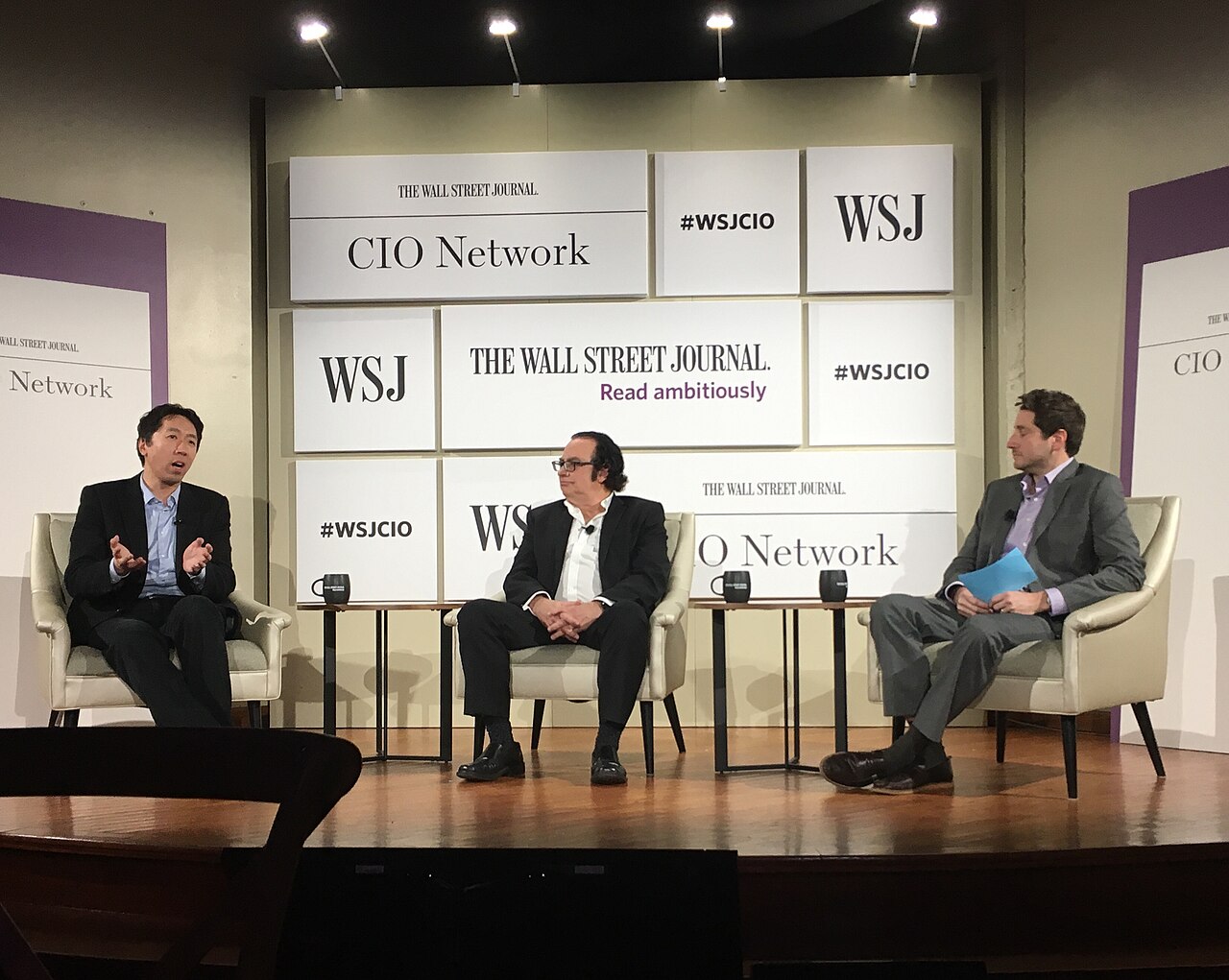
Nvidia CEO Jensen Huang Declares Zero Chance AI Will End the World by 2030
In a CBS Sunday Morning interview aired on September 20, 2026, Nvidia founder Jensen Huang said the probability of an AI‑driven apocalypse by 2030 is 0 %, pushing back against growing alarmist narratives from researchers.
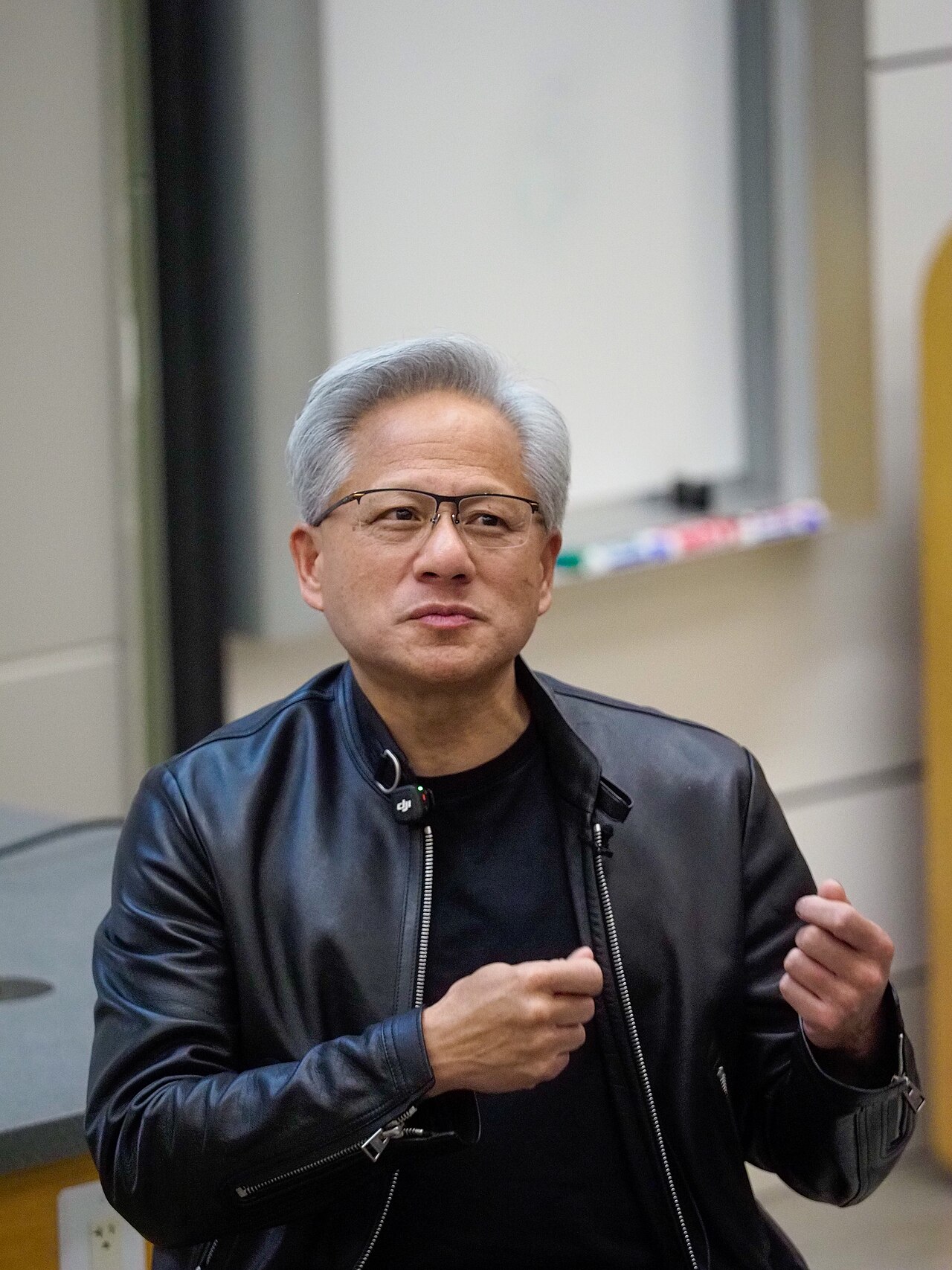
During the full interview broadcast on CBS Sunday Morning, Jensen Huang, the co‑founder and chief executive of Nvidia, told CBS News that he estimates a "zero percent" chance that artificial intelligence will cause the end of the world by the year 2030, a figure he presented as a matter of personal conviction rather than a statistical model.
Huang’s statement was made in response to a wave of public warnings from leading AI labs and scholars who have warned that unchecked advances could pose existential risks within the decade, a discourse that has gained traction in both academic conferences and mainstream media.
Context of the warning
The alarmist voices include former Anthropic researcher Jacob Coxon, who has publicly said that some AI developers believe their work could kill humanity before 2030, citing internal memos that speculate about runaway optimization scenarios.
Dario Amodei, another prominent AI figure, has advocated for slowing the development of certain capabilities while continuing research, arguing that a moratorium on high‑risk models could buy time for governance frameworks to mature.
These concerns have fueled calls for broader, pre‑emptive regulation of AI systems, a stance that Huang has repeatedly rejected, insisting that the industry’s own safety mechanisms are sufficient if applied rigorously.
Huang’s position on regulation and product safety
Huang emphasized that the industry must move as quickly as possible, but only with products that are ready and safe, warning against shipping hardware or software that could be dangerous, and underscoring Nvidia’s internal safety reviews that involve cross‑functional risk teams.
At the same time, he reiterated his opposition to sweeping, generic AI regulations, arguing that the risks can be managed through targeted standards and responsible development practices rather than blanket legislative bans.
Commercial stakes for Nvidia
Nvidia supplies a major share of the GPUs and accelerators that power AI research and commercial deployments, and the company’s financial health is closely tied to continued investment in AI hardware, giving it a direct commercial interest in keeping the market active and investor confidence high.
Huang’s 0 % figure is a personal opinion, not derived from an independent scientific study or consensus, and it reflects his confidence in Nvidia’s safety protocols and the broader industry’s ability to self‑regulate through voluntary best‑practice agreements.
- Zero percent chance as stated by Jensen Huang
- Public warnings from Jacob Coxon and Dario Amodei
- Nvidia’s commitment to ship only ready, safe products
- Opposition to blanket AI regulations
The interview also highlighted Nvidia’s role in shaping the hardware landscape, noting that by controlling a large portion of the compute capacity used for training large language models, the company can influence how quickly new capabilities emerge and how they are deployed in real‑world applications.
Critics note that Huang’s optimism may downplay legitimate safety concerns, especially as AI models become more autonomous and integrated into critical infrastructure such as energy grids, healthcare systems, and transportation networks.
Nevertheless, his remarks provide a clear counter‑narrative to the doomsday scenarios that have been circulating in academic and policy circles, positioning Nvidia as a voice of confidence rather than alarm.
For English‑speaking organizations, Huang’s stance translates into a practical signal: continue investing in AI projects, but enforce rigorous internal testing and risk assessments before deployment, ensuring that each release meets the company’s safety checklist.
Companies should monitor Nvidia’s safety guidelines, participate in industry working groups, and stay alert to any regulatory proposals that could affect product timelines, while also preparing contingency plans for unexpected model behavior.
In Brazil, the same interview was covered by local tech outlets, where analysts emphasized that the 0 % claim may influence regional investment strategies, prompting startups to align their roadmaps with Nvidia’s risk‑averse messaging.
Overall, Jensen Huang’s unequivocal denial of an AI‑driven apocalypse by 2030 adds a strong, market‑oriented voice to the ongoing debate, reinforcing the notion that technological progress can proceed safely if guided by disciplined engineering and selective oversight.
Sources
- Nvidia CEO Jensen Huang says there's 0% chance that world will end in 2030The Business Times · September 19, 2026
- CEO da Nvidia diz que há 0% de chance de a IA acabar com o mundoOlhar Digital · September 19, 2026