Bolt and Lucid Target 25,000 Autonomous Vehicles Across Europe in Ambitious Joint Rollout
Bolt and Lucid announced a partnership on 17 September 2026 to develop and deploy at least 25,000 fully autonomous Lucid vehicles in multiple European cities, part of Bolt’s goal to host 100,000 driverless cars by 2035.
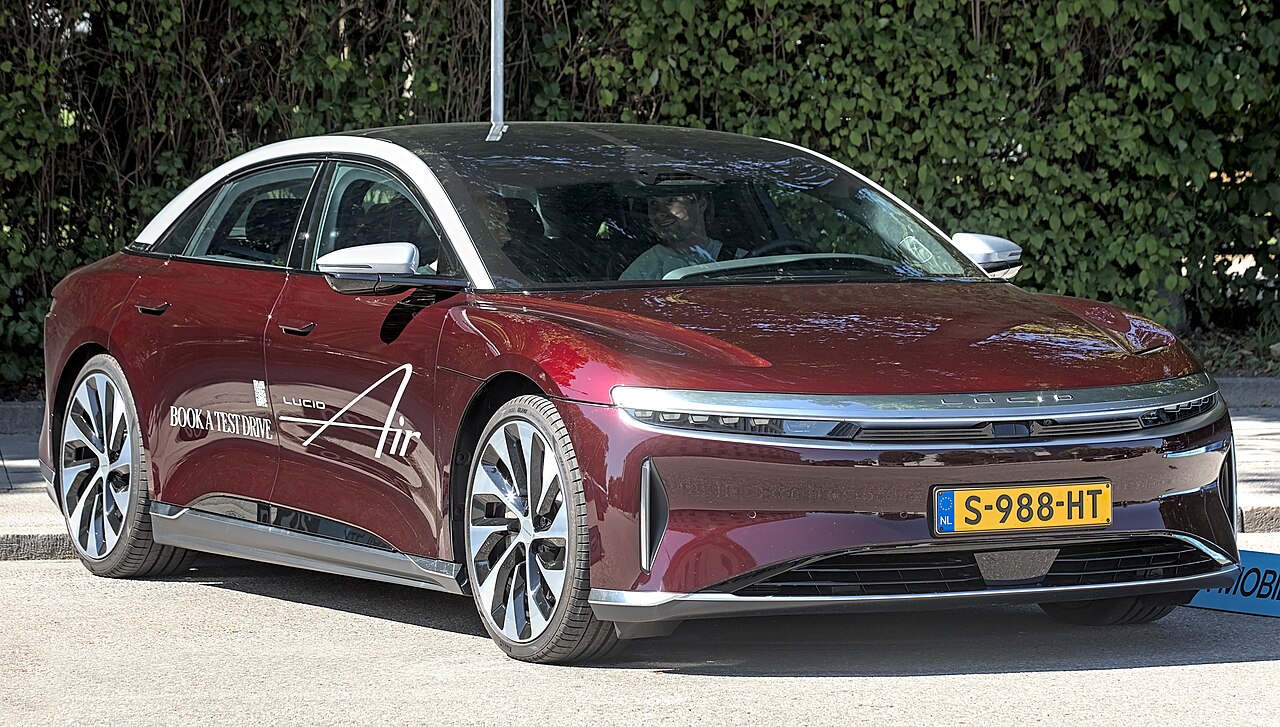
On 17 September 2026, ride‑hailing platform Bolt and electric‑vehicle manufacturer Lucid announced a strategic partnership designed to scale autonomous mobility services throughout Europe. The two companies will merge Lucid’s advanced vehicle architecture with Bolt’s extensive data on European travel patterns, operational expertise, and mobility‑service know‑how.
The agreement centres on an objective to field at least 25,000 fully autonomous Lucid vehicles across a broad array of cities and countries on the continent. This number is presented as a contractual and industrial target rather than a fleet already in operation.
Technical foundation of the fleet
All cars will be built on Lucid’s forthcoming intermediate platform, a hardware and software foundation engineered for rapid integration of autonomous capabilities. The autonomous stack will run on Nvidia’s Hyperion platform, delivering high‑performance AI processing for perception, planning and control functions.
Lucid will supply the vehicle’s software architecture, including the operating system, sensor‑fusion algorithms and safety‑critical decision‑making modules. Bolt will contribute its European market data, operational know‑how and a proven mobility‑service framework capable of orchestrating ride requests, pricing and fleet management.
Strategic ambition and timeline
Bolt’s long‑term ambition is to host 100,000 autonomous vehicles on its platform by 2035. The 25,000‑vehicle milestone represents the first major step toward that goal. Neither party disclosed a detailed rollout schedule or the total financial commitment required to achieve the target.
Deployment will be heavily conditioned by regulatory approval processes in each jurisdiction, local safety certifications, and the willingness of city administrations to integrate driverless cars into existing transport ecosystems.
Key questions for cities and operators
- Who bears legal responsibility in the event of an accident?
- How will remote supervision and emergency intervention be organised?
- What data‑sharing arrangements will be required between Bolt, Lucid and municipal authorities?
- How will accessibility standards be met for passengers with reduced mobility?
- How will autonomous fleets be coordinated with public transit, bike‑share and pedestrian infrastructure?
These issues are already surfacing in pilot projects across Europe, where regulators are drafting guidelines on liability, cybersecurity and real‑time monitoring of autonomous fleets. The partnership’s success will depend on aligning technical capabilities with these emerging policy frameworks.
Both companies stressed that the 25,000‑vehicle figure is an objective, not a guarantee of immediate service. The actual number of cars on the road will evolve as cities grant permits, as safety validation progresses, and as public acceptance grows.
The collaboration also signals a shift in how mobility providers approach autonomous technology. Rather than building cars in‑house, Bolt is leveraging Lucid’s specialised engineering while focusing on the service layer—pricing, routing, and integration with other transport modes.
For English‑speaking organisations, the partnership offers a concrete example of how a mobility platform can scale driverless services without owning the underlying vehicle technology. It illustrates a model where data‑rich operators partner with OEMs to meet regulatory demands, share risk, and accelerate market entry, potentially reshaping procurement strategies for public transit agencies and private fleets alike.
Analysts note that the combined expertise of Bolt and Lucid could shorten the typical five‑to‑seven‑year timeline for large‑scale autonomous deployments, provided that European regulators maintain a coordinated approach to certification and data governance.
The venture also aligns with broader EU objectives to reduce emissions and increase the share of electric mobility in urban areas, as the autonomous fleet will be fully electric and capable of operating on shared‑mobility pricing schemes.
Stakeholders in cities such as Paris, Berlin, Madrid and Warsaw have already expressed interest in pilot programmes, citing the potential to alleviate congestion and provide on‑demand, zero‑emission transport options to underserved neighborhoods.
In a localized statement released on 18 September 2026, the mayor of Warsaw highlighted the partnership as a "significant step toward a smarter, greener city" and pledged to work closely with Bolt and Lucid on permitting, infrastructure upgrades and public outreach initiatives.
Sources
- Lucid and Bolt Partner to Develop and Deploy Autonomous Mobility at Scale Across EuropeLucid · September 17, 2026
- 25 000 véhicules autonomes en Europe : Bolt fait appel à LucidL'Usine Digitale · September 17, 2026