
Americans Oppose AI Data Centers in Their Communities
Recent polls reveal a strong and growing resistance among U.S. voters toward the construction of artificial‑intelligence data centers, driven by environmental concerns, local impact and distrust of the technology.
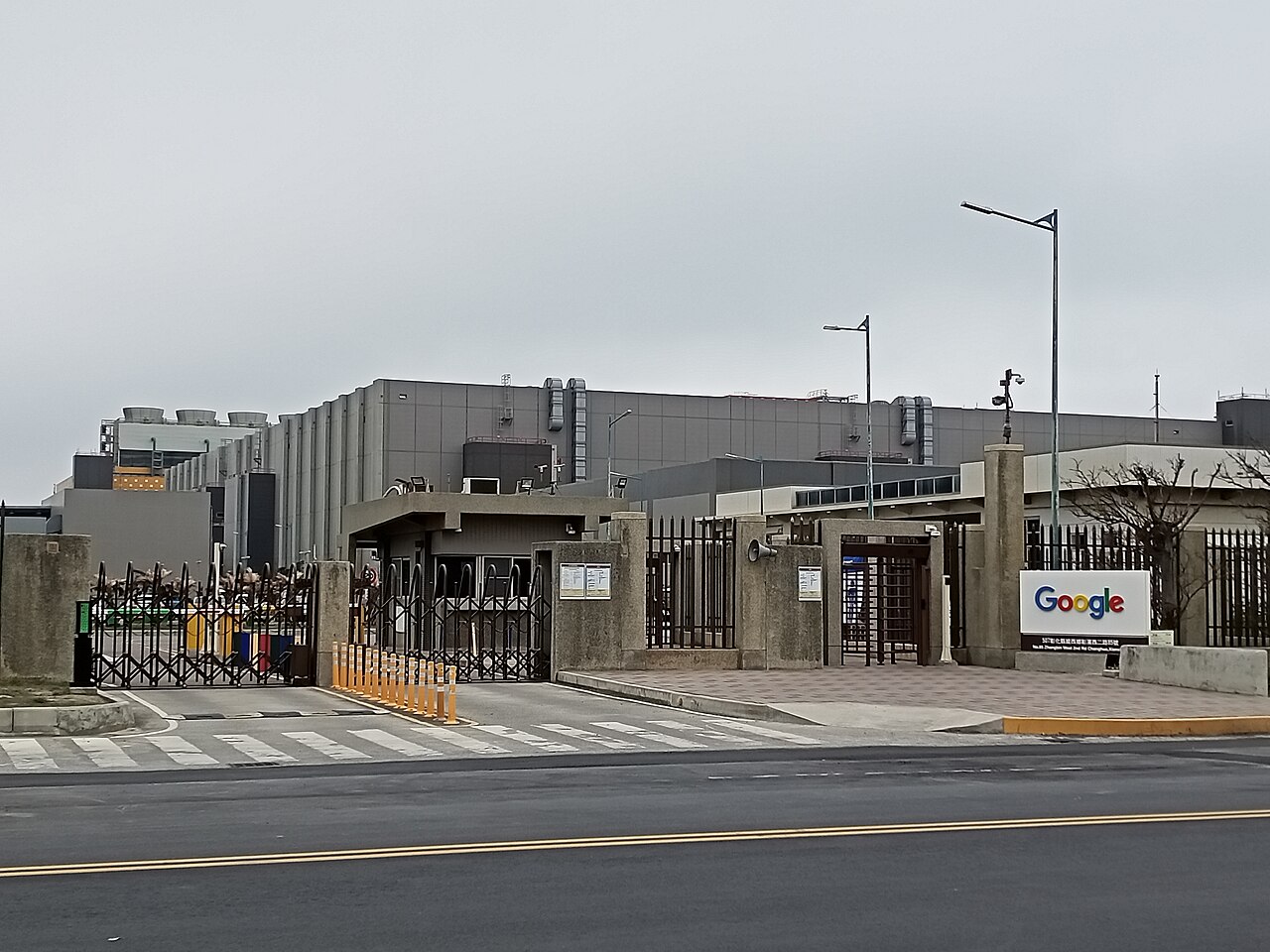
A recent poll carried out by The New York Times in partnership with Siena College asked more than fifteen hundred likely voters whether they would support the construction of an artificial‑intelligence data centre in their neighbourhood. The headline figure is striking: a clear majority, sixty‑one percent, said they would oppose such a facility, while only fourteen percent expressed a strong preference for it. This pattern of resistance forms the backbone of several other surveys that have tracked public sentiment on the issue over the past months.
Regional and partisan nuances
Even within this overall opposition, the data reveal distinct sub‑patterns. Among respondents who identified themselves as supporters of the former president, the split is almost even, with just under half in favour and slightly fewer expressing opposition. By contrast, voters who backed the former vice‑president, as well as those who chose not to vote, lean heavily against AI‑focused data centres, with roughly three‑quarters of each group indicating disapproval. The researchers stress that these figures should not be extrapolated beyond the specific sample, but they do hint at how political affiliation can colour perceptions of emerging technologies.
Gallup’s March findings
A nationwide Gallup poll conducted in early March paints a similar picture. Seventy‑one percent of respondents said they would oppose a local AI data centre, and almost half of those respondents described their opposition as strong. Only about a quarter of those surveyed expressed a favourable view, and a mere seven percent felt strongly positive. For context, the same poll found that just over half of participants opposed a local nuclear power plant, suggesting that AI facilities are perceived as at least as contentious, if not more so, than traditional energy projects.
Why the resistance?
Both surveys asked participants to pinpoint the main reasons behind their stance. The New York Times/Siena poll highlighted environmental and water impact, concerns about how the centre would affect local communities, a general distrust of artificial intelligence, a perceived lack of clear regulation, and broader economic worries. Gallup’s follow‑up echoed many of these themes, emphasizing water usage, energy consumption and pollution as the top three worries, while those in favour tended to focus on potential job creation and additional tax revenue. The overlap underscores a common thread: people are most uneasy about tangible, everyday impacts on their environment and livelihoods.
- Environmental and water impact – 32 %
- Effects on local communities – 21 %
- General distrust of AI – 18 %
- Lack of clear regulation – 10 %
- Economic concerns – 9 %
Geographic trends
Gallup’s data show that opposition is a majority across all major demographic groups, but it is especially pronounced in the Midwest and the South. Rural areas, where water supplies and energy grids are often already strained, report the highest levels of concern. This geographic pattern suggests that communities facing existing resource pressures are more likely to view a new AI data centre as an added burden rather than an opportunity.
Implications and practical steps for developers and policymakers
The convergence of these polls signals that local acceptability is becoming a decisive factor for AI infrastructure projects. Developers will need to be transparent about water usage, electricity demand, noise levels, fiscal benefits and employment guarantees. At the same time, robust community‑engagement mechanisms, clear grievance‑redress pathways and independent oversight bodies are emerging as prerequisites for obtaining permits. In practice, this means conducting thorough environmental impact assessments early, publishing detailed consumption forecasts, offering community‑benefit agreements that include job‑training programmes and revenue‑sharing, and establishing timelines for public comment and formal appeals.
For organisations operating in the United States, the takeaway is clear: before any AI data centre can move from concept to construction, they must verify that their plans satisfy local environmental standards, demonstrate a realistic and transparent accounting of water and energy use, and provide concrete evidence of economic benefits for the host community. Failure to meet these verification steps is likely to trigger delays, legal challenges and damage to reputation.
Sources
- AI and data centers are incredibly unpopular in every pollThe Verge · September 16, 2026
- Americans Oppose AI Data Centers in Their AreaGallup · May 13, 2026