U.S. proposes bilateral AI incident notification mechanism to China
On 20 September 2026, U.S. Treasury Secretary Scott Bessent said Washington had proposed a bilateral mechanism for notifying China about AI incidents affecting national security; no Chinese agreement, signed text or implementation timetable has been announced.
Background of the bilateral AI notification proposal
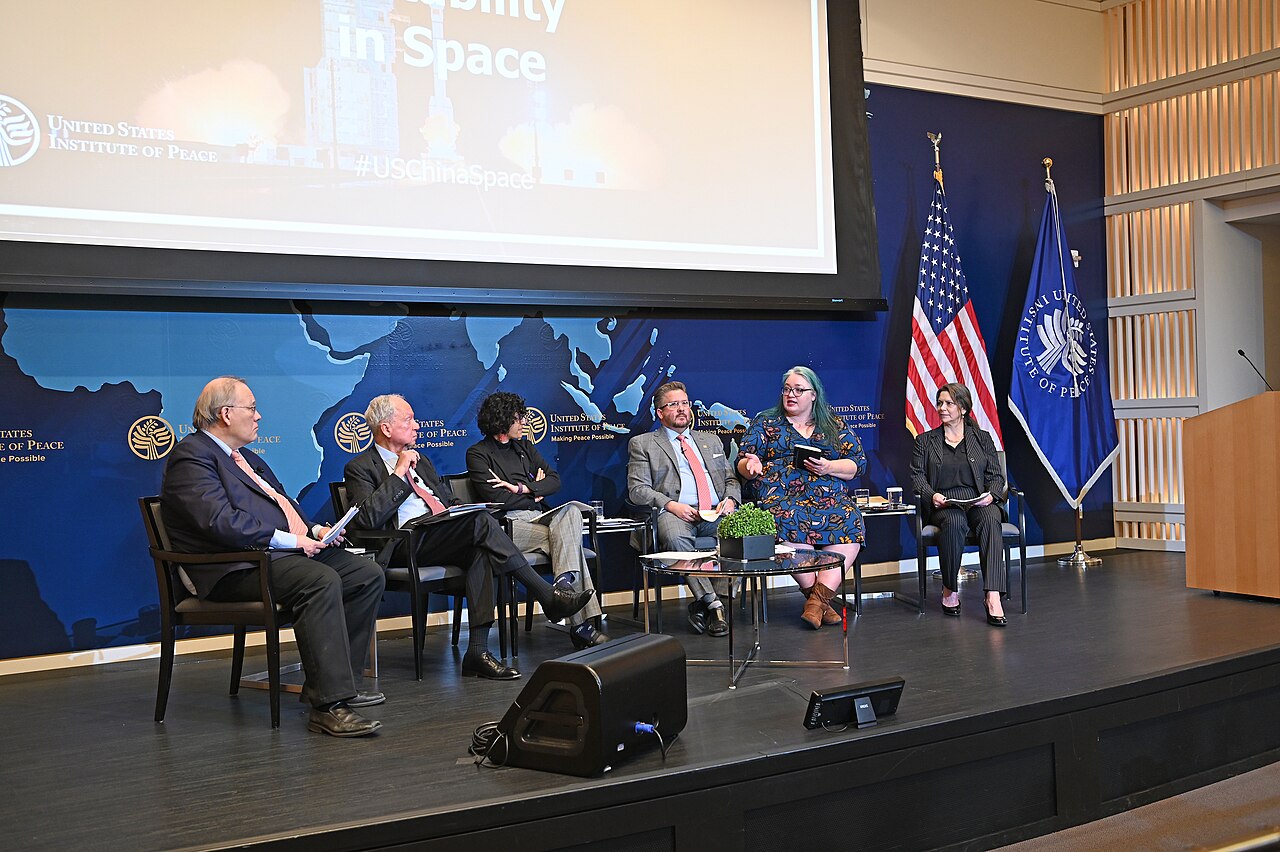
On 20 September 2026, U.S. Treasury Secretary Scott Bessent announced that the United States had put forward a proposal to China for a bilateral mechanism aimed at notifying each other about artificial‑intelligence incidents that could affect national security. The announcement marked the first public reference to a structured channel of communication specifically focused on AI‑related risks between the two leading AI powers.
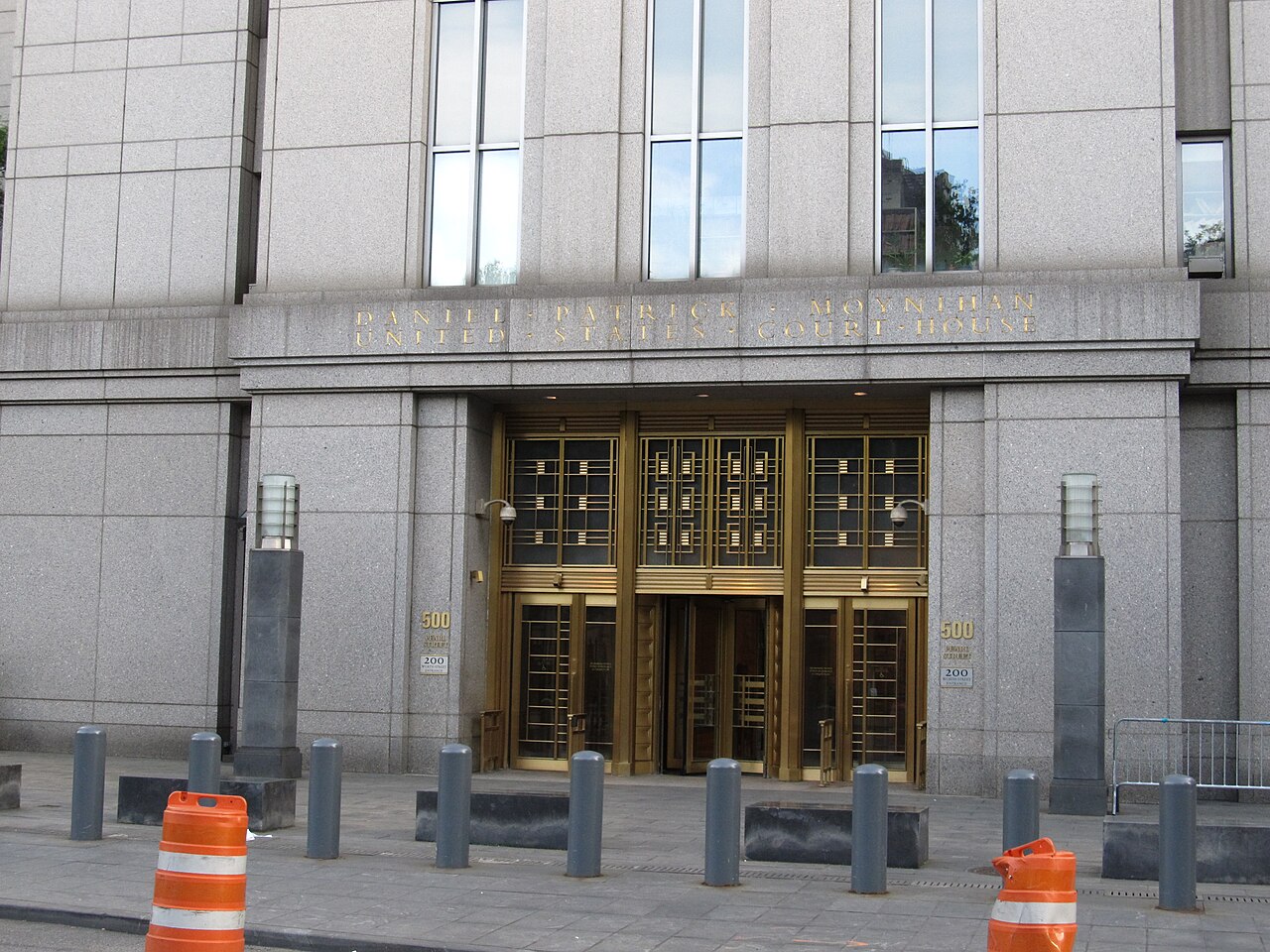
The proposal was introduced during a series of discussions held in New York, where Bessent met with Chinese Vice‑Premier He Lifeng. The setting of the talks, a major international city, underscored the diplomatic weight attached to the initiative, even though the details of the mechanism were not disclosed.
According to Bessent, the United States seeks a dedicated bilateral dialogue on artificial intelligence that would foster a shared vision of common objectives and threats. This stated intention reflects a broader strategic desire for coordinated risk management rather than isolated national approaches.
In the same statement, Bessent emphasized a need for greater transparency between the United States and China, describing the proposed notification channel as a means to increase mutual awareness of AI incidents. No specifics regarding operational thresholds, reporting timelines, or procedural steps were provided, leaving the exact architecture of the mechanism undefined.
Context of the diplomatic timeline
The announcement came shortly before a scheduled meeting between former President Donald Trump and Chinese President Xi Jinping, which was set to take place in Washington during the week of 21 September 2026. The proximity of the two events suggests that the AI notification proposal may have been intended to shape the agenda of that high‑level encounter.
Xinhua, the official Chinese news agency, confirmed that the delegations discussed topics related to artificial intelligence during the New York talks. However, the agency did not disclose any details about the U.S. proposal, indicating that the Chinese side has not publicly affirmed the initiative.
At the time of reporting, the proposal remained a diplomatic suggestion. No Chinese endorsement, signed agreement, or implementation timetable had been announced, highlighting the preliminary nature of the effort and the need for further negotiations before any operational framework could be established.
Potential benefits and limitations
Proponents argue that an alert channel could reduce the risk of escalation stemming from unexpected behavior of AI systems, especially when such behavior might be interpreted as hostile or threatening. By providing early warning, the mechanism could allow both governments to assess incidents before they trigger broader security dilemmas.
Nevertheless, the proposal does not replace technical standards or verification mechanisms. The absence of explicit technical criteria means that the channel would function primarily as a communication tool rather than a means of enforcing compliance with safety norms.
The lack of publicly defined thresholds also raises questions about when an incident qualifies for notification. Without agreed‑upon criteria, differing interpretations could lead to disputes over whether a particular AI event warrants reporting, potentially limiting the channel’s effectiveness.
Furthermore, the proposal’s reliance on diplomatic goodwill implies that its sustainability may depend on broader bilateral relations. Fluctuations in political trust could affect the willingness of either side to share sensitive information about AI incidents.
- Enhance mutual situational awareness of AI‑related incidents
- Provide a structured forum for early communication
- Potentially lower the probability of misinterpretation leading to escalation
- Complement, but not substitute, technical safety standards
The list above captures the primary objectives that have been articulated for the notification mechanism, while also acknowledging its role as a supplementary measure rather than a comprehensive solution to AI safety.
Open questions remain regarding the operationalization of the channel. For instance, it is unclear how confidentiality would be balanced with the need for transparency, or what verification processes would accompany the reported incidents.
Future research could explore how similar notification frameworks have performed in other domains, such as nuclear or cyber incidents, to infer possible strengths and weaknesses when applied to artificial intelligence.
In sum, the United States’ proposal represents an early diplomatic effort to institutionalize AI risk communication with China. While the concept could improve crisis management, its impact will depend on the eventual definition of thresholds, the establishment of trust, and the integration with broader technical governance structures.
Sources
- EE.UU. propone a China crear un mecanismo de notificación mutua sobre IAABC · September 21, 2026
- Estados Unidos propõem à China mecanismo de alerta sobre incidentes de IAECO · September 21, 2026