Spain and Mexico strike AI alliance built on open models
Mexico and Spain signed an AI memorandum backing Mexico's Fábrica de IA and betting on open models as an alternative to the United States and China.

Mexico and Spain signed a Memorandum of Understanding on digitalization, artificial intelligence, cybersecurity and connectivity on September 3, 2026, Infobae México and Moncloa confirmed. The agreement was signed by José Antonio Peña Merino, director of Mexico's Digital Transformation and Telecommunications Agency (ATDT), and Óscar López, Spain's Minister for Digital Transformation and Public Function, during the minister's three-day official visit to Mexico City.
The memorandum covers the exchange of experience and best practices in artificial intelligence, cybersecurity, connectivity, procedure simplification and digital identity, plus training, research and joint-project programs. It includes, per Moncloa, a concrete action plan and timeline — joint programs, information exchange, mutual visits, shared conferences and courses — with activities scheduled through June 2027.
The Fábrica de IA: models for customs, tax and weather
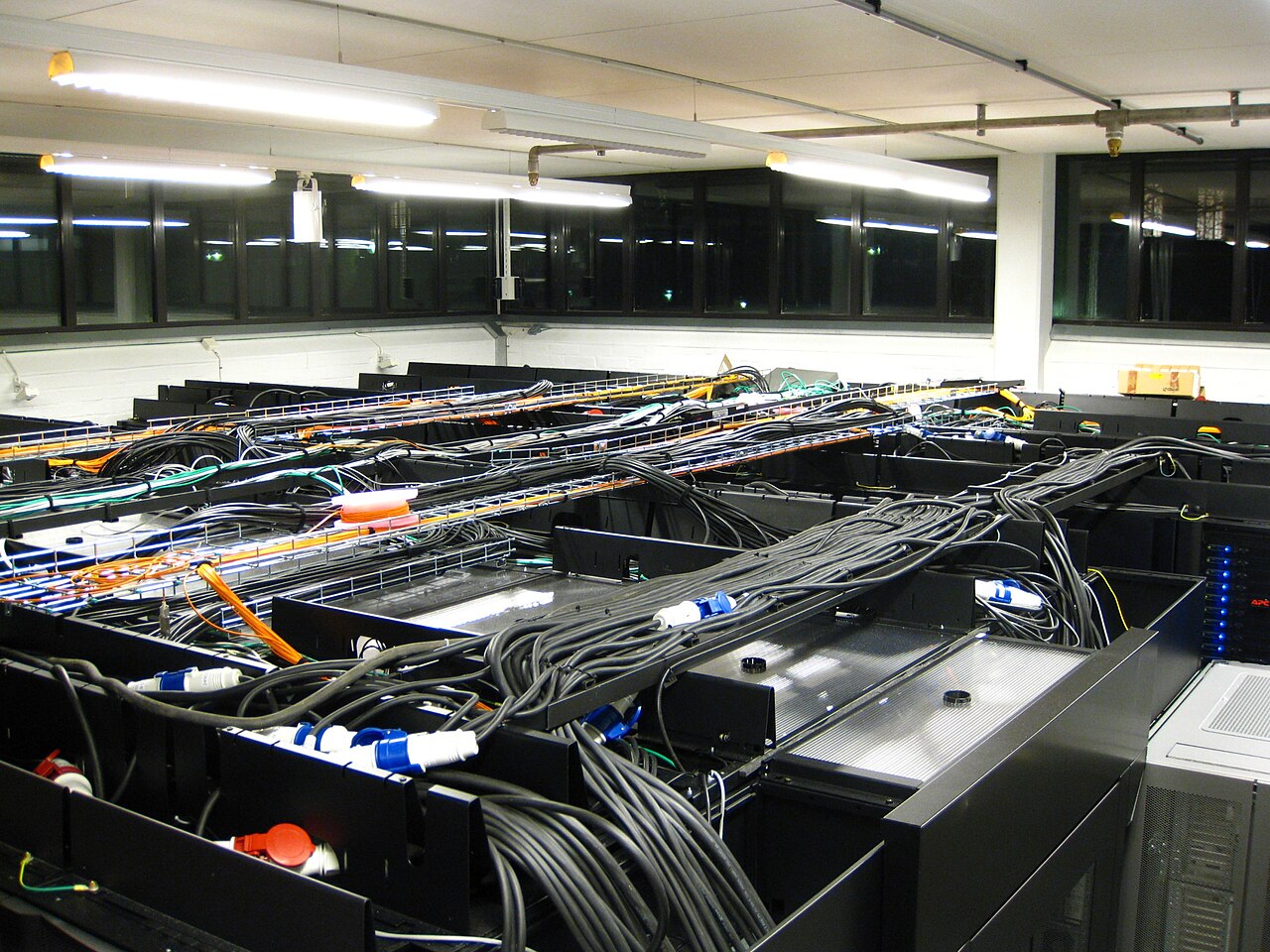
During the ceremony at ATDT headquarters, Peña Merino presented Mexico's strategic digital-agenda projects: Nube MX, the National Cybersecurity Plan, the national program for simplifying and digitizing procedures, the Public Center for AI Training, and the Fábrica de IA — from which, according to Infobae, models for customs, tax and weather risk analysis are already being developed. He also mentioned the construction of Coatlicue, the supercomputer Mexico envisions as Latin America's most powerful.
After the signing, Óscar López argued that Mexico and Spain can form «the third digital way»: a bet on interoperable data, open models and supercomputing cooperation, as an alternative to models developed in the United States and China, according to Moncloa. He cited the Barcelona Supercomputing Center's (BSC) work with Coatlicue, the supercomputer Mexico is building with Spanish support, as an example.
A cooperation that predates this agreement
The new memorandum builds on an existing relationship: in 2024, Spain's National Cybersecurity Institute (INCIBE) and Mexico's Federal Telecommunications Institute (IFT) had already signed a similar agreement. The BSC, for its part, holds agreements with Mexican scientific institutions to advance supercomputing and AI, and with the National Polytechnic Institute to integrate Latin America's supercomputing system into Europe's EuroHPC ecosystem.
- Signing: September 3, 2026, Mexico City, ATDT headquarters
- Action plan runs through: June 2027
- Mexican projects cited: Nube MX, Fábrica de IA, Coatlicue supercomputer
- Spanish companies visited during the tour: Veridas (digital identity) and Indra (cybersecurity)
During his visit, López also toured the facilities of two Spanish companies in Mexico City: Veridas, which specializes in digital identity, biometrics and fraud prevention, and Indra's cybersecurity center, the company's second global operations hub. The minister put the weight of Spain's digital economy at 27% of GDP.
On the first day of his visit, López also held meetings with Anti-Corruption and Good Government Secretary Raquel Buenrostro and with Science, Humanities, Technology and Innovation Secretary Rosaura Ruiz, and his agenda included a meeting with Economy Secretary Marcelo Ebrard. The minister explained that Spain's digital strategy rests on four pillars — business, industry, rights and training — combining regulatory updates, university training programs and both public and private investment. As part of the same trip, he visited a project run by Fundación Telefónica and Fundación La Caixa in Mexico City focused on giving vulnerable children access to technology and training.
Spain no longer exports only hotels, construction firms or renewables, although we do that too. Now we export secure, trustworthy technology.
For an American company already relying on third-party AI models — from logistics firms to consultancies that automate customs paperwork — this memorandum signals a trend worth watching: the emergence, backed by Spanish and Mexican public institutions, of open models positioned as an alternative to US and Chinese offerings, alongside a technical-training track — the Public Center for AI Training — meant to address a real talent shortage. The minister's agenda closed that Friday with a keynote lecture on artificial intelligence at UNAM, ahead of the Ibero-American Summit set for Madrid in early November, where both countries will measure how much of this memorandum has already become concrete projects.
Sources
- México y España acuerdan cooperación en inteligencia artificial y tecnologíaInfobae México · September 3, 2026
- El acuerdo España-México en IA, conectividad y ciberseguridad: lo que ha anunciado MoncloaMoncloa.com · September 5, 2026