Reka unveils Rho‑1, a 19‑billion‑parameter omni‑model for text, image, video and robot control
On October 5, 2026 Reka AI announced Rho‑1, a single 19‑billion‑parameter model that processes text, images, video, reasoning and robotic actions within one shared token stream, promising real‑time video generation and direct robot control.
Reka AI introduced Rho‑1 at a virtual launch event on 5 October 2026, presenting it as a "research‑grade" system that was built from the ground up with a total of 19 billion parameters. The architecture is deliberately designed to handle a wide range of modalities—text, images, video, logical reasoning and physical actions—within a single, unified neural network.
In contrast to the prevailing AI stacks that typically rely on a collection of specialist models, each dedicated to a specific modality, Rho‑1 treats every input and output as tokens that share a common context. This token‑centric design removes the necessity for separate vision, language or control pipelines, allowing the same weight matrix to interpret and generate across very different domains.
Unified token representation
Reka explains that text strings, image patches, video frames and robot commands are all transformed into a uniform token format before being fed to the model. Because these tokens occupy a shared context, the system can retain information about earlier interactions, making it possible to modify an image or a video over several iterative steps without having to reset the internal state each time.
The company claims the base version of Rho‑1 can generate video at 0.79× real‑time speed, with playback beginning roughly six seconds after a request is submitted. In internal benchmarks, a distilled variant—reduced to eight inference steps—produced a 5.3‑second clip in about one second, although these figures have not yet been independently verified by external researchers.
Performance and training details
According to The Decoder, the training run lasted approximately three months and employed a cluster of 320 Nvidia H100 GPUs. The intensive compute budget reflects the ambition of collapsing the multimodal stack into a single architecture, a goal Reka frames as a step toward systems that can perceive, understand and act in the world using one unified model.
The model’s ability to generate, edit, and compare visual media over multiple turns is highlighted as a key differentiator. Users can request a series of refinements—such as changing lighting, adding objects, or altering motion—while the model preserves a coherent internal representation of the scene throughout the interaction.
Robotic control from the same weights
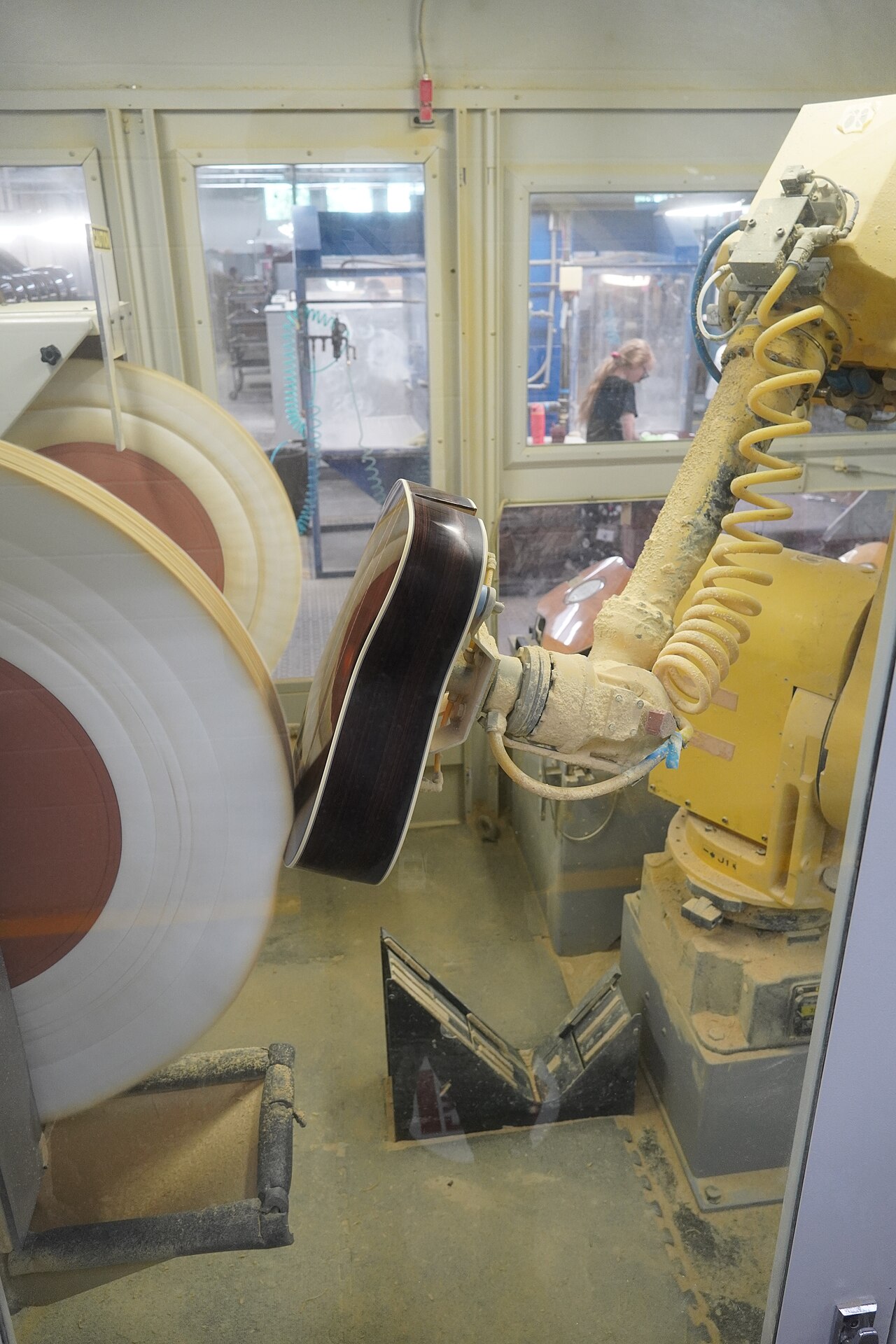
Reka also demonstrates that the exact same weight set can be repurposed for robot control. An inverse‑dynamics component translates publicly available internet videos into action signals that drive robotic actuators. This approach suggests a pathway where visual learning directly informs motor behavior without a separate control module.
- 19 billion parameters in a single network
- Trained from scratch on a three‑month, 320‑GPU H100 run
- Unified token stream for text, image, video and robot commands
- Base version generates video at 0.79× real‑time, startup ~6 seconds
- Distilled eight‑step variant claims 5.3‑second clip in ~1 second
The announcement positions Rho‑1 as a proof‑of‑concept for what Reka calls an "omni‑model"—a system that can fluidly move between perception, language and action. By collapsing the traditional multimodal pipeline, the company argues that development cycles could be shortened and integration complexities reduced.
Critics note that the performance claims, especially for the distilled variant, remain unvalidated by third‑party testing. Independent benchmarks will be essential to confirm whether Rho‑1 truly delivers the advertised speed and quality advantages over specialized models.
What this means for English‑speaking organisations
For companies operating in English‑speaking markets, Rho‑1 could simplify AI infrastructure by replacing a suite of separate models with a single service. Content creators would gain faster iterative video generation, marketers could produce multimodal assets on‑the‑fly, and manufacturers might experiment with vision‑guided robot control without training dedicated control networks. The unified token approach also promises more consistent cross‑modal reasoning, potentially reducing errors that arise when stitching together outputs from disparate systems.
In Berlin, where Reka maintains a research office, the launch sparked lively discussion among local AI startups and academic labs. Many attendees highlighted the potential for European manufacturers to adopt the omni‑model for automated inspection and assembly lines, noting that a single model could lower both licensing costs and the engineering overhead associated with maintaining multiple specialist systems.
Sources
- Rho-1: collapsing the multimodal stackReka AI · October 5, 2026
- Reka AIs Omni-Modell Rho-1 vereint Text, Bild, Video und RobotersteuerungThe Decoder · October 5, 2026