Joby Aviation completes 5,148‑km fully autonomous cross‑country flight with safety pilot on board
On September 18, 2026 Joby Aviation announced that a converted Cessna Caravan flew 3,199 miles from California to North Carolina without any control inputs from the onboard safety pilot, marking the longest fully autonomous flight in U.S. history.
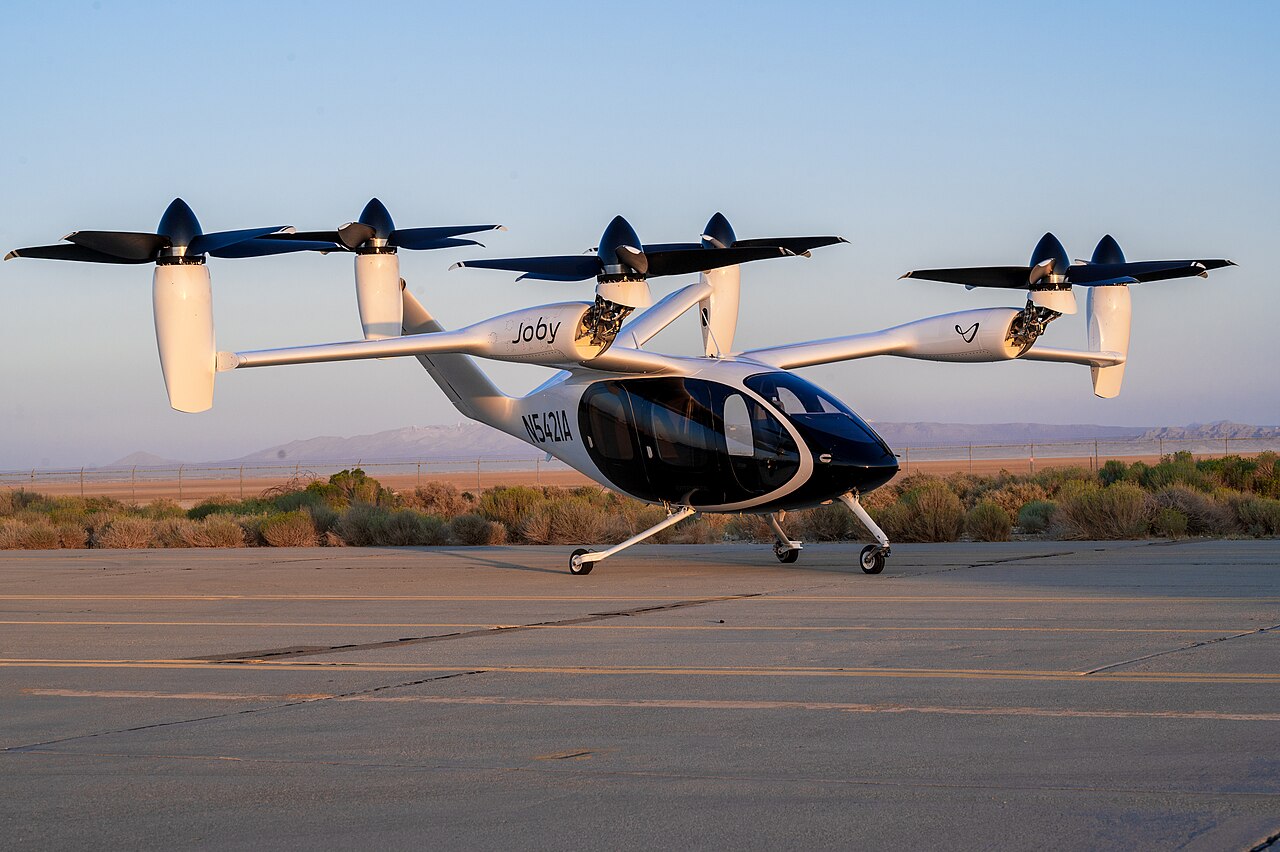
Joby Aviation disclosed that the aircraft, a Cessna Caravan retrofitted with the company’s Superpilot system, covered a distance of approximately 5,148 kilometres (3,199 miles) from Buchanan Field Airport in Concord, California, to Dare County Regional Airport in the Outer Banks, North Carolina, completing the journey in a single, uninterrupted sortie that lasted several hours and demonstrated the endurance of the autonomous platform across diverse climatic zones.
The flight was conducted without any command from the safety pilot seated in the cockpit. All phases—including taxi, take‑off, en‑route navigation, weather avoidance and landing—were managed autonomously by the Superpilot suite, which continuously processed sensor inputs, adjusted flight‑control surfaces and modulated engine thrust without human intervention.
Remote supervision architecture
Joby’s autonomy centre in California and a ground‑control node at Shaw Air Force Base in South Carolina provided continuous oversight. The supervision distance peaked at 2,323 miles, illustrating the system’s ability to operate under remote human supervision across the continental United States, while maintaining a secure data link that allowed operators to monitor system health and intervene only if a critical anomaly arose.
According to the company, the aircraft navigated dense air‑traffic environments such as Phoenix Deer Valley Airport without prior knowledge of each individual field, relying solely on onboard sensors and pre‑loaded navigation data, and it dynamically generated conflict‑avoidance maneuvers that respected both civil and military air‑space constraints.
Technology foundation
The autonomous capability rests on a certificated airframe combined with the Superpilot technology, which Joby integrated following its acquisition of Xwing in 2024. Superpilot provides real‑time decision‑making for flight‑control surfaces, engine management and collision avoidance, employing redundant processors and a suite of lidar, radar and computer‑vision cameras to build a high‑definition situational picture.
Joby claims more than 400 autonomous flights and 800 flight‑hours have already been logged, including military exercise missions. These figures are reported by the company itself and have not been independently audited, but they illustrate a growing operational envelope that spans both civilian and defence‑related scenarios.
Intended operational uses
- Freight delivery across regional hubs
- Medical transport of time‑critical supplies
- Disaster‑response logistics in remote areas
- Defense supply chain and tactical resupply
The firm emphasises that the current focus is on cargo, medical, disaster‑relief and defence logistics, not on passenger transport. The presence of a safety pilot and remote supervision means the flight demonstrates command‑level autonomy but does not yet represent fully unmanned commercial operation, and any future passenger service would require additional safety certifications.
Regulatory bodies have been briefed on the flight, but no formal certification for fully pilot‑less commercial service has been granted. The test therefore serves as a data‑gathering milestone rather than a launch of a new service line, allowing aviation authorities to assess risk models, sensor reliability and human‑in‑the‑loop procedures.
For English‑speaking organisations, the successful cross‑country autonomous flight signals that high‑value, time‑sensitive cargo can soon be moved without relying on traditional crewed aircraft. Companies in logistics, healthcare and emergency management can anticipate reduced turnaround times, lower operational costs and the ability to reach locations previously limited by crew availability or weather constraints.
Future outlook
Looking ahead, Joby Aviation plans to expand the Superpilot system to larger airframes and to integrate satellite‑based communication links that would enable truly nationwide, and eventually trans‑continental, autonomous operations. The company also indicated that ongoing collaborations with the Federal Aviation Administration and the Department of Defense will shape the regulatory framework needed for routine, unmanned cargo flights, while further flight‑testing will refine the algorithms that handle unexpected meteorological phenomena and congested airspace.
In the context of the Korean market, the achievement highlights the potential for regional carriers and logistics firms to adopt similar autonomous technologies for inter‑island and inland transport, especially given the country’s mountainous terrain and dispersed population centers where rapid delivery can be a decisive competitive advantage.
Sources
- Joby Completes First-Ever Fully Autonomous Flight Across the United StatesJoby Aviation · September 18, 2026
- Dit vliegtuig vloog zonder piloot van kust naar kustBright · September 19, 2026